

Unleashing Your Legacy: Inspiring Generations
By Tom Seest
At LegacyLearned, we help people tell stories and preserve their legacy by leveraging online and AI tools.
Please share this post with your friends, family, or business associates who may want help telling the stories of their legacy.
Could Your Story Inspire Generations Yet to Come?
When we talk about legacy storytelling, we often think of grand tales filled with heroes and larger-than-life moments. But let’s take a moment to flip that idea on its head. What if your story—yes, yours—holds the power to inspire future generations? What if the mundane, everyday experiences you dismiss as ordinary are actually the threads that weave together the fabric of someone’s future?
Think back to your childhood. What nuggets of wisdom did your parents share with you? Maybe it was a hard-learned lesson about getting your hands dirty, working for something you believe in, or taking that leap of faith when fear tells you to hold back. Those stories often resonate because they stem from authenticity and raw experience. They provide context and meaning—a living history that informs the choices others will make.
Every single one of us has a story worth telling. It’s not about the accolades or the perfect circumstances; rather, it’s about the honesty and grit that come from stumbling, learning, and getting back up again. The stories that build legacy don’t need to be epic; they simply need to be real.
Imagine sitting around a fire, surrounded by your family, sharing tales of triumph and tribulation. Your kids, or even their kids, will listen to your stories not as mere entertainment but as lessons in resilience. They’ll carry a piece of your experience into their own lives, drawing strength from your words when they face their dark days. That’s the beauty of legacy storytelling; it creates a thread that connects generations.
So how do you begin to craft your narrative? Start by reflecting on pivotal moments in your life. Think of the challenges you’ve faced, the failures that shaped you, or the choices that brought you joy. Write them down, share them with loved ones, or just hold them close to your heart. You’ll discover that each moment holds a lesson, a truth, waiting to become a part of someone else’s journey.
The essence of your life is raw, real, and relatable. It’s the stuff of legends—not because of the grandeur of your achievements, but because it’s genuinely yours. So, take a moment to pause, ponder, and share. Your story could hold the very keys to unlock the dreams and ambitions of tomorrow’s leaders. Why not let it shine?

Could Your Story Inspire Generations Yet to Come?
Could Your Story Inspire Generations Yet to Come?
- Legacy storytelling often focuses on grand tales, but personal stories also hold significant power.
- Everyday experiences can inspire future generations and shape their futures.
- Childhood lessons from parents often resonate due to their authenticity and raw experience.
- Everyone possesses a valuable story shaped by honesty, learning, and resilience.
- Sharing personal stories creates a connection across generations and imparts valuable life lessons.
- To craft your narrative, reflect on pivotal life moments and their lessons.
- Your unique experiences may unlock dreams and ambitions in others, making your story essential.

Could Your Story Inspire Generations Yet to Come?
Table Of Contents
- Could Your Story Inspire Generations Yet to Come?
- What Makes A Personal Story Impactful And Memorable?
- How Can I Identify My Core Message?
- Why Is Vulnerability Important In Storytelling?
- What Techniques Can Enhance The Emotional Appeal Of My Story?
- How Do I Choose The Right Audience For My Story?
- What Role Does Authenticity Play In Inspiring Others?
- How Can I Share My Story Without Fear Of Judgment?
- Conclusion
- Other Resources
- Glossary Of Terms
- Other Questions
- Haiku
- Poem
- Checklist
What Makes A Personal Story Impactful And Memorable?
Personal stories are more than just anecdotes; they are the threads that weave our experiences into the fabric of our existence. When shared authentically, they become vehicles of Legacy Storytelling, allowing us to connect across generations, cultures, and backgrounds. So, what transforms a simple tale into an impactful narrative that resonates deeply with others?
First, let’s talk relevance. An impactful story often begins in the trenches of everyday life—moments that are universally relatable. Think of the times you’ve felt challenged, misunderstood, or even triumphant. Each of those moments is a nugget of gold waiting to be mined. When you craft a story around these experiences, you invite your audience in, creating a bridge of empathy. By tapping into the common threads of our humanity, we foster a sense of trust that draws listeners closer, urging them to reflect on their own lives.
Next comes authenticity. Your audience can spot a disingenuous story from miles away. The best tales—it doesn’t matter how grand or humble—are cloaked in honesty. Speak from the heart; let your vulnerability shine through. Sharing your doubts, fears, and successes creates a genuine connection, making your narrative both memorable and impactful. People relate to the struggle and appreciate the lessons learned along the way. That rawness turns a simple story into a shared journey, a collective experience that sticks with them long after the last word is spoken.
Furthermore, there’s the element of transformation. When you recount your experiences, show how they shaped you or influenced others. Highlight those ‘aha’ moments that led to growth or change. This not only makes your story compelling but also provides a roadmap for your audience. They see the possibilities in their own lives, inspired to take action or reflect on their own paths.
Finally, weave in values and lessons. Whether it’s family, perseverance, or kindness, let your central message shine through. A well-told story instills not just the memory of events, but also the lessons learned, leaving an echo that resonates through time.
So, embrace the art of Legacy Storytelling. Your story—full of authenticity, relevance, and transformation—has the power to inspire, connect, and leave an indelible mark on those who hear it. The world is waiting for your truth; share it boldly, and watch the impact unfold.

What Makes A Personal Story Impactful And Memorable?
What Makes A Personal Story Impactful And Memorable?
- Personal stories weave our experiences into the fabric of existence, serving as vehicles for Legacy Storytelling.
- Impactful narratives often stem from relatable, everyday moments that create empathy and connection with audiences.
- Authenticity is crucial; genuine stories resonate more as audiences can identify with vulnerability and honesty.
- Sharing struggles and lessons learned enhances the memorability and impact of the narrative.
- Transformation elements highlight personal growth and significant moments, providing inspiration for audiences.
- Incorporating values and lessons ensures that stories convey deeper meanings that resonate across time.
- Embrace Legacy Storytelling to inspire and connect by sharing your unique truth boldly.

What Makes A Personal Story Impactful And Memorable?
How Can I Identify My Core Message?
Finding your core message is a bit like unearthing a treasure buried beneath layers of dirt, wear, and life experiences. It’s there, waiting to shine, but you’ve got to dig a bit to discover it. Think about your Legacy Storytelling—your collection of experiences, lessons, and values that you’ve accumulated over the years. These stories don’t just shape you; they also have the power to connect with others on a profound level.
Start by reflecting on your most significant moments. Think about the times you felt proudly accomplished, faced adversity head-on, or learned an invaluable lesson after stumbling—these experiences are goldmines for your core message. Write down these pivotal moments and examine them closely. What themes emerge? Is there a common thread that runs through your experiences? This process is not just an exercise; it’s a journey into your soul. You might be surprised by what you uncover.
Next, consider the impact you want to leave. What do you want people to think or feel when they hear your story? Your core message should resonate with your values and what you hope to pass down to others—a kind of emotional inheritance that reflects your truth. Whether it’s perseverance, kindness, or the importance of hard work, identifying this will help you hone in on your core message.
Talk to people you trust. Sometimes, our loved ones can see what we miss. They can remind you of moments that meant something, moments you might have brushed aside as insignificant. This feedback can provide clarity and help crystallize your message into something tangible. At the end of the day, your core message should make you feel something—it should stir up emotion in you, igniting a fire that drives you forward.
Finally, don’t be afraid to iterate. As you grow, so too can your core message evolve. It’s not set in stone. Life is about change, and your message should reflect that. So embrace the journey of discovering and refining your core message. With time and reflection, you’ll not only connect with your inner self but also inspire others through your unique Legacy Storytelling. The world is waiting to hear what you have to say—don’t keep them waiting.

How Can I Identify My Core Message?
How Can I Identify My Core Message?
- Finding your core message is akin to uncovering a buried treasure of experiences and lessons.
- Your Legacy Storytelling consists of significant moments that reflect your values and life lessons.
- Reflect on pivotal experiences such as accomplishments, challenges, and lessons learned to identify common themes.
- Consider the impact you want your story to have on others, focusing on core values like perseverance and kindness.
- Seek feedback from trusted loved ones to discover overlooked meaningful moments that can clarify your message.
- Your core message should evoke strong emotions, driving you forward and inspiring others.
- Embrace the evolution of your core message, allowing it to grow and change as you do.

How Can I Identify My Core Message?
Why Is Vulnerability Important In Storytelling?
When we dive into the realm of storytelling, it’s easy to think it’s all about crafting a snazzy plot or throwing in a twist that’ll knock socks off. But let’s take a moment to unearth something deeper—something that resonates and lingers long after the story concludes: vulnerability. That’s the kind of rawness that cuts through the noise and connects us all.
Why does this matter? Think of Legacy Storytelling. It’s not just a catchy phrase; it’s the bridge linking generations, a way to pass down not just tales but truths. When someone speaks from a place of vulnerability, their story transforms from mere entertainment to an experience that feels genuine. We’re not just hearing a plot; we’re feeling it. We’re connecting with those incredibly human emotions that remind us we’re not alone in our struggles, triumphs, or failures.
Consider the times you’ve found yourself captivated by someone’s story—perhaps a heartfelt recounting of overcoming adversity, or an honest reflection on their mistakes. Those moments aren’t polished. They’re messy, real, and oh-so-relatable. That’s the magic of vulnerability. When we allow ourselves to reveal our imperfections, we create space for others to do the same. And in that space, we foster trust and connection.
Now, think about the stories you want to tell. Are they the ones where everything went according to plan? Or the ones where you stumbled, learned, and rose again? The latter is where the true power lies. Audiences yearn for authenticity, and vulnerability is the key that unlocks that door. Those personal anecdotes of struggle and perseverance don’t just entertain; they inspire action. They encourage others to confront their own challenges.
So why not embrace that unease? Instead of shying away from your vulnerabilities in your own storytelling, lean into them. Share your legacy, leaving behind tales that are not just significant but also deeply personal. When done right, vulnerability doesn’t just tell a story; it ignites a movement, fosters understanding, and cultivates a sense of community. Dive deep, be real, and stand tall. The stories you share might just be the lifeline someone else needs to hear.

Why Is Vulnerability Important In Storytelling?
Why Is Vulnerability Important In Storytelling?
- Storytelling is more than just an entertaining plot; it encompasses vulnerability that creates deep connections.
- Legacy storytelling bridges generations and shares not just tales, but universal truths.
- Vulnerability transforms stories from mere entertainment into genuine emotional experiences.
- Captivating stories often involve real, messy experiences that resonate with audiences.
- Audiences are drawn to authenticity, and vulnerability is essential for creating impactful narratives.
- Sharing personal struggles encourages others to confront their challenges and inspires action.
- Embracing vulnerability in storytelling can ignite movements, foster understanding, and build community.
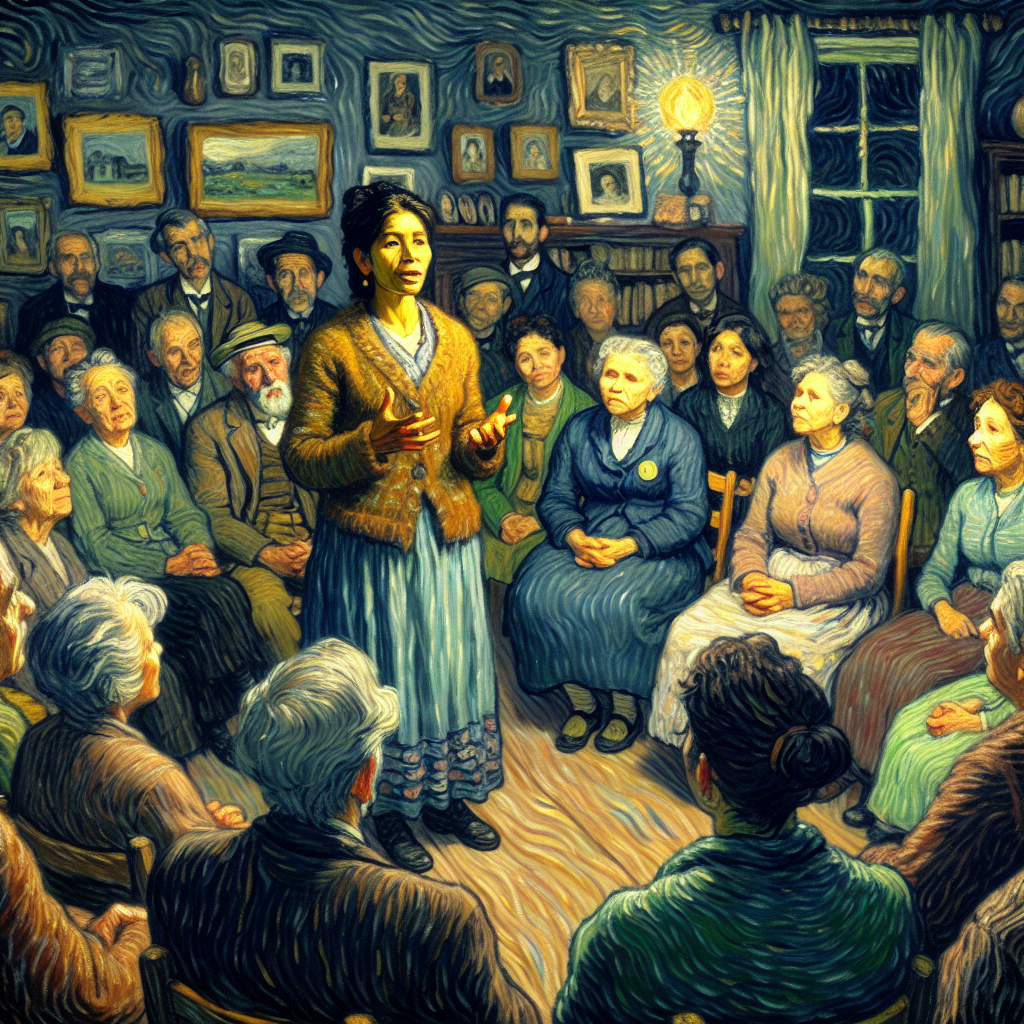
Why Is Vulnerability Important In Storytelling?
What Techniques Can Enhance The Emotional Appeal Of My Story?
When you’re weaving a tale, it’s not just about the plot or the characters—it’s about the heart. Emotion is the glue that binds the audience to your story. So how do you infuse that essence into your narrative? Here are a few techniques that can help elevate your storytelling and make it resonate on a deeper level.
First, consider legacy storytelling. What you often find in the great narratives of our time is a lineage of experiences—the trials, tribulations, and triumphs that are passed down through generations. Think of the stories that have shaped your own life. By drawing on your personal history or the shared history of those around you, you tap into something that is inherently relatable. People connect with experiences that echo their own or reveal something about the human condition. If you can weave that into your story, you’re already halfway there.
Next, embrace vulnerability. It’s easy to present the highlight reel of our lives—smooth sailing, no bumps. But the real magic often lies in the messy moments. When you allow your characters (or yourself) to falter, struggle, and rise again, you create a mirror for your audience. They will see their own struggles reflected in your story, fostering empathy and a deeper emotional connection. Remember, everyone loves a comeback story, especially when it’s grounded in authenticity.
Also, don’t shy away from sensory detail. Use descriptive language that paints a picture, making your audience feel as though they are right there with your characters. What does it smell like in that bustling café? What sounds are clanking about in the machinery of a factory? These details not only create an atmosphere but also serve as emotional anchors that draw readers into your world.
Finally, consider pacing. Sometimes, slowing things down can amplify the emotional weight of a moment. Let the tension build; give your audience time to feel the impact of a character’s decision or a pivotal moment. A well-timed pause or a lingering silence can say more than words ever could.
Your story is your legacy, and by employing these techniques, you can enhance its emotional appeal. Remember, the goal isn’t just to tell a story—it’s to create an experience that lingers long after the last word is read. So, grab that narrative and make it not just heard, but felt. Your audience will thank you for it.

What Techniques Can Enhance The Emotional Appeal Of My Story?
What Techniques Can Enhance The Emotional Appeal Of My Story?
- Emotion is essential for binding the audience to the story.
- Legacy storytelling involves sharing personal or collective histories that resonate with relatability.
- Embracing vulnerability allows characters to reflect real struggles, fostering empathy in the audience.
- Sensory detail enhances the atmosphere and immerses the audience in the narrative.
- Consider pacing strategically to amplify emotional weight during pivotal moments.
- The goal of storytelling is to create lasting experiences that resonate beyond the narrative.
- Utilizing these techniques will elevate your storytelling and emotional connection with audiences.

What Techniques Can Enhance The Emotional Appeal Of My Story?
How Do I Choose The Right Audience For My Story?
Finding the right audience for your story is a bit like picking the perfect fishing hole. You wouldn’t cast your line in a pond full of tin cans and expect to haul in a trophy catch. Likewise, sharing your narrative without considering who might connect with it is bound to leave you feeling more lost than inspired. So, how do we find that ideal audience—the ones who will resonate with your message and appreciate your efforts?
First, let’s talk about Legacy Storytelling. This isn’t just a trendy phrase; it’s the core of what we’re trying to achieve. Think about the stories you want to leave behind—those moments in your life that matter, the lessons you’ve learned that could help sculpt someone else’s journey. Legacy storytelling is about more than just your individual narrative; it’s a bridge connecting you to others who might have traveled similar paths or struggle with the same challenges.
Next, get specific. Much like you wouldn’t set out to sell ice cream in the middle of winter without a solid plan, you should really try to hone in on who your audience is and what they might be craving. Are they young, enthusiastic dreamers, or seasoned professionals looking for inspiration? Each group will wield different experiences, expectations, and desires.
Consider engaging with communities online or in person that align with your story’s themes. The right audience is often found where people gather to share—be it a local bookstore, a social media group focused on personal growth, or an online forum about relationships. Listen to their stories, share in their joys and struggles, and before you know it, you’ll have a clearer vision of who you’re speaking to.
And remember, it can change. The beauty of storytelling is that it evolves, much like we do. Your first audience might be your family and friends, but as you grow, so too will the breadth of your storytelling reach. Don’t shy away from expanding your horizons; be bold in sharing your story in different contexts.
So, roll up your sleeves and get to work. You’ve got experiences that could ripple through lives, but it starts with knowing your audience. Once you understand who they are, your story will not only find its home; it will thrive.

How Do I Choose The Right Audience For My Story?
How Do I Choose The Right Audience For My Story?
- Finding the right audience for your story is essential for inspiration and connection.
- Legacy storytelling focuses on meaningful moments and lessons to connect with others.
- Identify your target audience by understanding their demographics, experiences, and expectations.
- Engage with communities that align with your story’s themes both online and offline.
- Stay open to change; your audience may evolve as your storytelling grows.
- Share your narrative boldly in various contexts to reach a wider audience.
- Knowing your audience will help your story find its place and thrive.

How Do I Choose The Right Audience For My Story?
What Role Does Authenticity Play In Inspiring Others?
Authenticity is the invisible thread that weaves together our experiences, aspirations, and the stories we share. When it comes to inspiring others, there’s nothing more compelling than a genuine narrative—a legacy storytelling woven from the fabric of real-life experiences. You see, when we strip away the gloss and the glamour, what we’re left with is the raw, unfiltered truth of who we are. It’s in this truth that we find our power and the ability to connect with others on a deeper level.
Think about it: Have you ever listened to someone recount their struggles, their triumphs, laid bare for all to see? There’s an earnestness there, a vulnerability that cuts through the static of everyday life like a hot knife through butter. It’s this kind of sharing that fosters trust and invites others into our world. When we embrace our true selves—flaws, fears, and all—we become a beacon for others who might feel lost in their own journeys.
In this world, where curated lives dominate social media feeds, being authentic can feel like an act of rebellion. Yet, that’s precisely what makes it so impactful! When we stand up and tell our legacy story, we invite others to do the same. It liberates them—they see that it’s okay to be imperfect, to stumble and get back up again, and most importantly, to share those real-life moments that define us.
This authenticity creates a ripple effect. One sincere story has the potential to inspire someone else to take action, to break free from their own constraints and pursue their dreams. Whether it’s starting a new career, writing a book, or simply embracing who they are, anchoring our message in our genuine selves shakes loose the shackles of conformity.
Moreover, it’s not just about inspiring others; it’s also about building a legacy. The stories we share today contribute to the tapestry of tomorrow. They transcend our own lives, becoming a part of someone else’s narrative. By being authentic, we craft a lasting influence that guides others long after we’ve moved on, proving that the most enduring legacies are often birthed from the courage to be vulnerable.
So, let’s own our authenticity. Let’s make a choice to lead with it. When we do, we don’t just inspire; we transform lives—starting with our own.

What Role Does Authenticity Play In Inspiring Others?
What Role Does Authenticity Play In Inspiring Others?
- Authenticity connects our experiences, aspirations, and shared stories.
- Genuine narratives derived from real-life experiences inspire and resonate deeply.
- Vulnerability in sharing struggles and triumphs fosters trust and invites connection.
- Embracing our true selves allows us to become a beacon for others facing challenges.
- Authenticity is a powerful act of rebellion against curated lives on social media.
- One sincere story can inspire action and help others break free from constraints.
- The stories we share today contribute to a lasting legacy that influences future generations.

What Role Does Authenticity Play In Inspiring Others?
How Can I Share My Story Without Fear Of Judgment?
When you think about sharing your story, you might feel a knot in your stomach—a mix of excitement and apprehension. It’s natural. After all, your legacy is the collection of moments that make you who you are. Each experience, whether triumphant or tragic, is part of your unique narrative. Sometimes, it feels like the weight of the world is resting on your shoulders as you contemplate how others will perceive you, but here’s the secret: everyone has a story, and your voice deserves to be heard.
First, embrace the idea of vulnerability. It’s not a weakness; it’s a strength. When you allow yourself to be open, you invite others to connect with you on a deeper level. Let your truth shine. Perhaps it’s a story about a challenge you overcame or a lesson learned from failure. These are often the tales that resonate the most because they speak to the human experience. We all have struggles, and when you share yours, you create an opportunity for empathy and understanding.
Now, remember, sharing your story isn’t about crafting a perfect narrative; it’s about authenticity. Speak in a way that’s true to who you are. Don’t feel pressured to embellish or polish every detail. Trust that the rawness of your experience will be relatable to others. Plus, those moments of imperfection often spark laughter and camaraderie—think of them as the seasoning that adds flavor to your legacy storytelling.
Next, consider your audience. Who do you want to share your story with? Knowing that can ease some of the fear. When you can picture the faces of those who might benefit from your experience—friends, family, or even a broader community—you can tailor your message to resonate with them. Keep it real, keep it honest, and don’t shy away from expressing emotions that make you human.
Lastly, surround yourself with a supportive network. Seek out friends or mentors who encourage open dialogue, and lean into communities that value storytelling. These connections can bolster your confidence and help you realize that the fear of judgment often lives in your mind more than in the hearts of others.
So, take that leap! Your story matters, and in sharing it, you may just inspire someone else to share theirs. Start small, write it down, or gather a trusting audience, and let your legacy be part of the vibrant tapestry of humanity. You never know whose life you might touch.

How Can I Share My Story Without Fear Of Judgment?
How Can I Share My Story Without Fear Of Judgment?
- Sharing your story can evoke a mix of excitement and apprehension.
- Your legacy consists of unique experiences that shape who you are.
- Embrace vulnerability; it fosters deeper connections with others.
- Authenticity is key; share your truth without needing to embellish.
- Consider your audience to tailor your message for better resonance.
- Build a supportive network of friends or mentors to encourage your storytelling.
- Your story matters and can inspire others; take the leap and share it.

How Can I Share My Story Without Fear Of Judgment?
Conclusion
As we draw the curtain on our exploration of legacy storytelling, let’s take a moment to reflect on a simple but profound truth: your story matters. Yes, you heard that right. In a world that often celebrates the extraordinary, it’s easy to forget that the real magic often lies in the mundane—your everyday experiences. Your journey, filled with ups and downs, triumphs and tribulations, can inspire future generations in ways you might never fully grasp. Think back to those heart-to-heart conversations around a campfire, where you shared laughter, wisdom, and perhaps a few tears. Those exchanges carry immense weight; they are the lifeblood of meaningful connections.
The essence of authenticity and vulnerability cannot be overstated. When you open yourself up, those raw moments of struggle and vulnerability resonate deeply. They create a bridge to empathy, drawing your audience in and often allowing them to reflect on their own challenges. We all have fears, dreams, and lessons learned the hard way. The courage to share those experiences not only builds trust but ignites a fire in others, showing them it’s not just permissible but commendable to be honest about their stories too.
So how do you harness this power? Begin by unearthing those precious moments in your life that shaped you. Perhaps it was a time when you dared to dream against all odds or faced a setback that seemed insurmountable. Reflect, write, and share—your truth is not just a flicker; it’s a beacon for those who seek guidance and understanding.
Finding your audience is equally crucial. Like a well-aimed fishing rod, you want to cast your line where the fish are biting—people who are eager and ready to hear your narrative. By honing in on those who resonate with your message, you create a space where your story can flourish.
Finally, remember: the world is not just waiting for aesthetically polished tales of success. No, it’s longing for stories that reflect our shared humanity, the sticky, messy parts of our lives, and the lessons carved out from the grit of experience. When you tell your story with authenticity, you not only inspire others, but you contribute to a lasting legacy that extends far beyond your own life. So, take that leap of faith—unveil your truth, share it with zest, and watch as it plants seeds of inspiration in the hearts of those who will come after you. The future awaits your voice—don’t hold back!

Conclusion
Conclusion:
- Your story matters, even in a world that celebrates the extraordinary.
- Everyday experiences can inspire future generations in profound ways.
- Authenticity and vulnerability create empathy and trust among audiences.
- Sharing personal fears, dreams, and lessons learned can ignite courage in others.
- Reflect on pivotal moments in your life to uncover impactful stories.
- Identify and focus on your audience to ensure your narrative resonates.
- Honest storytelling about our shared humanity contributes to a lasting legacy.

Conclusion
Other Resources

Other Resources
Here is a list of other resources you can review online to learn more:
- LifeWeb 360
- MyMoriam
- USLegalWills.com
- Association of Personal Historians
- EverLoved
- Memorial Matters
- Storyfile
- Xarona
- Legacy Explorations
Use This Prompt To Get More Resources With Your Favorite Online AI Tool: Please provide me with a list of online articles with their URLs in a bulleted list that I can read regarding Could Your Story Inspire Generations Yet to Come?

Other Resources
Glossary Terms
Could Your Story Inspire Generations Yet to Come? – Glossary Of Terms
1. Legacy: The values, ideas, or experiences passed down from one generation to the next, often shaping their worldview.
2. Inspiration: The process of being mentally stimulated to do or feel something creative or impactful, often through stories.
3. Narrative: A spoken or written account of connected events; the framework that composes the story.
4. Generational Impact: The effect that a story, idea, or action has on future generations, potentially altering their beliefs and behaviors.
5. Storytelling: The art of conveying events through words, images, or sounds, used to share experiences and lessons.
6. Cultural Heritage: The traditions, customs, and legacy shared by a group that influences storytelling and identity.
7. Empathy: The ability to understand and share the feelings of others, often enhanced through connecting with stories.
8. Mindset: The established set of attitudes held by someone; a narrative can change or reinforce various mindsets over time.
9. Courage: The quality of facing difficult situations which can be a common theme in stories that inspire others.
10. Wisdom: The soundness of judgment and experience that stories can convey, providing valuable lessons for future generations.
11. Authenticity: The quality of being genuine and true; stories that resonate often come from a place of authenticity.
12. Connection: The bond created between storyteller and audience, which can foster understanding and shared experiences.
13. Resilience: The capacity to recover quickly from difficulties, a common theme in inspiring narratives.
14. Reflection: The process of contemplating past experiences and lessons that shape the stories we share.
15. Catalyst: A person or event that causes another event to happen; inspiring stories can serve as catalysts for change.
16. Vision: The ability to think about or plan the future with imagination or wisdom; visionary stories can motivate action.
17. Challenges: Difficult situations or obstacles that characters in stories must overcome, often serving as lessons for readers.
18. Transformation: The process of change that characters or societies undergo, symbolizing growth and potential in stories.
19. Legacy Building: The deliberate process of creating and sharing experiences and values that will outlive the storyteller.
20. Universal Themes: Common ideas or messages that resonate across different cultures and time periods, often found in inspiring stories.
21. Narrative Arc: The chronological construction of plot in a story, often involving a conflict and resolution that inspires hope.
22. Philosophy: The study of fundamental questions about existence and values, which can be interwoven in powerful narratives.
23. Impactful Communication: The ability to convey messages in a way that resonates deeply with the audience, leading to reflection and action.
24. Mentorship: The guidance provided by someone with experience; stories of mentors can inspire future leaders.
25. Tradition: Practices or beliefs passed down within a culture, often serving as the backdrop for many inspiring stories.
26. Intergenerational Dialogue: Conversations that occur between different generations, facilitating the sharing of wisdom and stories.
27. Creativity: The use of imagination or original ideas to create something, essential for impactful storytelling.
28. Hope: A feeling of expectation and desire for a positive outcome, often a central theme in inspiring stories.
29. Community: A group of individuals connected through shared goals or narratives, critical for fostering collective inspiration.
30. Legacy of Learning: The ongoing process of sharing knowledge and experiences that empower future generations to grow and innovate.

Glossary Of Terms
Other Questions
Could Your Story Inspire Generations Yet to Come? – Other Questions
If you wish to explore and discover more, consider looking for answers to these questions:
- What are some practical steps to start my legacy storytelling journey?
- How can I determine which stories from my life are most impactful?
- What are some common mistakes to avoid when sharing personal stories?
- How can I effectively communicate my core message to my audience?
- What tools or platforms can I use to share my story with a wider audience?
- How can I ensure my story resonates with different demographics?
- What role does cultural background play in legacy storytelling?
- How can I handle negative feedback when sharing my story?
- What are some successful examples of legacy storytelling across cultures?
- How can I encourage my family and friends to share their stories?
- What strategies can I use to engage my audience emotionally?
- How do I find the right balance between vulnerability and emotional safety?

Other Questions
Haiku
Could Your Story Inspire Generations Yet to Come? – A Haiku
Every tale unfolds,
In the threads of lives we’ve lived,
Inspire with your truth.

Haiku
Poem
Could Your Story Inspire Generations Yet to Come? – A Poem
In the tapestry of time, your voice still sings,
A tale of struggles, of flight on broken wings.
Not always epic, not cloaked in gold,
But woven with courage, with truths to be told.
Every moment counts, mundane yet profound,
Lessons learned in silence, where strength can be found.
From parents’ whispers to fireside chats,
Each story a thread, timeless and vast.
Vulnerability glimmers, a beacon of light,
In the shadows of doubt, it makes hearts ignite.
As you share your story, raw and sincere,
You’ll find the world’s listening, drawn ever near.
Reflect on your trials, the paths you have crossed,
In the fabric of you, see the lessons embossed.
What values do linger? What truths do you hold?
Share them with passion—let your narrative unfold.
In the echo of laughter, in tears that are shed,
Your legacy whispers to those who have read.
From generation to generation, let your wisdom inspire,
A shared human journey, a kindling fire.
So pause, take a breath, let authenticity flow,
Your tale is the glimmer, the hope that will grow.
In mundane moments, the extraordinary thrives,
For in every shared story, a legacy survives.

Poem
Checklist
Could Your Story Inspire Generations Yet to Come? – A Checklist
Preparing to Share Your Story
1. Reflect on Key Moments
_____ Identify pivotal experiences in your life (challenges, successes, lessons learned).
2. Recognize the Value of Your Story
_____ Acknowledge that your everyday experiences can inspire and teach others.
3. Connect with Emotional Depth
_____ Think about how your experiences made you feel and the emotions you want to convey.
Crafting Your Narrative
4. Find Your Core Message
_____ Determine the central theme or lesson from your stories (e. g. , perseverance, kindness).
5. Embrace Vulnerability
_____ Be open about your struggles and imperfections to foster connection.
6. Incorporate Relatable Details
_____ Use sensory details and anecdotes to paint a vivid picture for your audience.
Enhancing Emotional Appeal
7. Utilize Storytelling Techniques
_____ Employ pacing, tension, and emotional triggers to engage your audience.
8. Show Transformation
_____ Highlight how your experiences shaped you or led to personal growth.
Understanding Your Audience
9. Identify Your Ideal Audience
_____ Consider who would resonate with your story (age, background, interests).
10. Engage with Relevant Communities
_____ Participate in discussions with groups that share themes similar to your story.
Sharing Your Story
11. Practice Authenticity
_____ Share your truth without worry about judgment; focus on being genuine.
12. Start Small
_____ Begin sharing your story with trusted friends or family before opening up to a broader audience.
13. Build a Support Network
_____ Seek support from friends, mentors, or communities that celebrate storytelling.
Reflecting on Impact
14. Embrace Feedback
_____ Be open to constructive feedback and insights from your audience about your story’s impact.
15. Celebrate Your Journey
_____ Acknowledge the courage it takes to share your legacy and recognize the potential influence it can have on others.
Continuous Growth
16. Iterate and Evolve
_____ Remember that your story can grow and change as you do; don’t hesitate to revisit and refine it.
By following this checklist, you can begin your journey of legacy storytelling, ensuring that your narrative not only resonates with your audience but also inspires future generations. Don’t keep your story waiting; the world is eager to hear it!

Checklist
At LegacyLearned, we help people tell stories and preserve their legacy by leveraging online and AI tools.
Please share this post with your friends, family, or business associates who may want help telling the stories of their legacy.


