

Preserving Your Legacy For Future Generations
By Tom Seest
At LegacyLearned, we help people tell stories and preserve their legacy by leveraging online and AI tools.
Please share this post with your friends, family, or business associates who may want help telling the stories of their legacy.
How Can You Ensure Your Life Story Is Never Forgotten?
In a world overflowing with the noise of social media trends and fleeting moments, the idea of our lives being nothing more than a flash in the pan can be downright daunting. But here’s a thought: what if, instead of being overwhelmed by the relentless rush of time, we learned to harness it—to shape our own Legacy Storytelling? Imagine turning your experiences, triumphs, and even your failures into a narrative that resonates, not just with you, but with the people around you.
Now, let’s face it: we all have stories waiting to be told. They’re tucked away in the corners of our minds, mixed in with our laughter, tears, and the lessons life has kindly (or maybe not so kindly) handed us. But here’s the trick: a story that’s never shared remains just that—a story. So how do we breathe life into these tales of our existence?
Start simple. Grab a notebook, a voice recorder, or even your phone. Whenever a memory flashes through your mind—a hilarious mishap, a moment of heartbreak, or an instance of hard-earned wisdom—capture it. Don’t worry about making it perfect; just get it down. This isn’t about crafting a bestseller; it’s about preserving the essence of you. After all, authenticity speaks louder than polish, and your realness is what will connect you with others.
Don’t stop there. Share these stories with those you love. Dinner tables, backyard barbecues, or casual conversations over coffee are the perfect venues for this. Trust me, when you weave the fabric of your experiences into the lives of others, they become part of your legacy, too. You’d be surprised how these stories can spark inspiration, laughter, or even a little introspection in someone who might need it most.
And for the more tech-savvy among us, consider going digital. Create a blog, a video diary, or even an online scrapbook. Platforms abound where your life’s tapestry can unfold, allowing you to reach beyond your immediate circle. You may just find that the world needs to hear your unique voice.
In the grand journey of life, we may not be able to control how we are remembered. But we can certainly make an effort to ensure our story—our true and unfiltered story—lives on. So go on. Give your legacy the shout it deserves. After all, it’s a tale only you can tell.

How Can You Ensure Your Life Story Is Never Forgotten?
How Can You Ensure Your Life Story Is Never Forgotten?
- Life’s experiences and stories can shape our Legacy Storytelling amidst social media noise.
- We all have unique stories influenced by our laughter, tears, and life lessons.
- Capturing memories, whether good or bad, is the first step to sharing our stories.
- Authenticity is key; focus on preserving the essence of who you are rather than perfection.
- Share your stories with loved ones to weave them into your legacy and inspire others.
- Digital platforms can extend the reach of your narrative, making your voice heard beyond immediate circles.
- Your true and unfiltered story deserves to live on and be shared with the world.

How Can You Ensure Your Life Story Is Never Forgotten?
Table Of Contents
- How Can You Ensure Your Life Story Is Never Forgotten?
- What Are The Best Ways To Document Your Life Story?
- How Can Storytelling Help Preserve Memories?
- What Role Does Journaling Play In Sharing Life Experiences?
- How Do I Choose Which Memories To Include In My Story?
- What Tools Can I Use To Create A Digital Life Narrative?
- How Can I Engage Family Members In Sharing My History?
- What Are The Benefits Of Creating A Video Autobiography?
- Conclusion
- Other Resources
- Glossary Of Terms
- Other Questions
- Haiku
- Poem
- Checklist
What Are The Best Ways To Document Your Life Story?
When it comes to documenting your life story, think of it as crafting a legacy. Legacy storytelling isn’t just about putting pen to paper; it’s about capturing the essence of who you are, where you’ve been, and where you’re headed. Everyone has a story worth telling, but how do you uncover and preserve the moments that matter?
Start with a simple journal. Now, I know what you’re thinking: “A journal? Really?” But hear me out. Writing isn’t just for poets and novelists; it’s for anyone willing to reflect. Each day, jot down the small victories, the challenges you faced, and the lessons learned. Over time, those little snippets transform into a tapestry of experiences. And trust me, decades from now, you’ll be grateful for those raw, unfiltered thoughts.
Don’t underestimate the power of storytelling in conversation. Gather your friends and family, and share your life experiences like a campfire tale. Maybe it’s the time you faced a daunting challenge, or the joy of achieving a long-held dream. These stories can bond generations, weaving your legacy into the fabric of your loved ones’ lives.
Now, if you’re feeling a bit adventurous, consider multimedia options. Whether it’s writing, video, or even audio recordings, each medium offers a new flavor to your narrative. Grab your smartphone and record your thoughts or interview loved ones. Create a series of “life lessons” videos or podcasts; you’d be surprised how much wisdom can come from candid conversations shared over a cup of coffee.
And let’s not forget about artifacts. Photos, letters, and mementos bridge the gap between memories and storytelling. Gather those family albums or that shoebox of old letters. Create a scrapbook where pictures and words merge into your legacy story. When you pass these treasures down, you aren’t just sharing memories; you’re providing context and connection for future generations.
Ultimately, documenting your life story is about authenticity and intention. Whether you choose to write, speak, or create, focus on the moments that define you. Embrace the quirks, the triumphs, and the trials. Your life is a unique narrative waiting to be told. So grab that journal or camera, and get started! Your legacy is not just about you — it’s about the impact you leave behind, and every story you tell enriches that legacy in ways you may not even realize.

What Are The Best Ways To Document Your Life Story?
What Are The Best Ways To Document Your Life Story?
- Documenting your life story is about crafting a legacy that captures your essence and journey.
- Start with journaling to reflect on daily victories, challenges, and lessons learned.
- Storytelling in conversation can bond generations and weave your legacy into loved ones’ lives.
- Explore multimedia options like videos or podcasts to add richness to your narrative.
- Use artifacts like photos and letters to create a scrapbook that merges visuals with your legacy story.
- Focus on authenticity and intention in your storytelling, embracing the moments that define you.
- Your life is a unique narrative that impacts future generations, so start documenting today.

What Are The Best Ways To Document Your Life Story?
How Can Storytelling Help Preserve Memories?
Let’s face it: life is a whirlwind. One moment you’re carving out a path, and the next, it’s like trying to catch smoke with your bare hands. Memories fade, details slip away, and the stories that shaped us? They often get squished between the mundane hours of daily life. This is where the art of storytelling comes in, serving as a handrail on the staircase of our memories—helping us to not only hold on but also look back and reflect.
At its core, legacy storytelling isn’t merely a recital of events; it’s an intricate tapestry woven with emotion, character, and detail. Think of the last time someone shared a memory with you. Did it fall flat like a deflated balloon, or did it invite you in, painting vivid pictures of laughter, heartache, and growth? When we narrate our experiences, we breathe life into our past and create connections with those around us. Every story is a building block of our identity, a spark that can ignite passion or provoke thought in others.
So, how does this help preserve our cherished memories? When you articulate a moment—whether it’s a first kiss, a family road trip, or even a hard lesson learned—you’re not just recounting facts; you’re reliving the joy and pain behind them. This act solidifies the moment in your mind and heart, making it far less likely to drift away with the tides of time. Sharing these stories allows them to live on, not just within you, but in the hearts of those who hear them.
Moreover, storytelling fosters community—a chance for others to resonate with your proud moments or sympathize with your struggles. It creates a ripple effect, sparking discussions and prompts that weave our experiences together. It’s a beautiful dance of remembrance, allowing the past to enrich our present and guide our future.
So why not indulge in the simple act of storytelling? Gather friends, family, or even that neighbor with wild tales to tell. Invite them all to share their legacy stories, and you’ll find that together you can forge a richer tapestry of collective memory. In the grand scheme of things, it’s about connection, authenticity, and ensuring that our most significant moments don’t just live fleetingly, but stand the test of time. So grab a seat, a cup of coffee, and let the memories flow. You’d be surprised at how stories, big and small, can weave an unbreakable thread through the fabric of your life.

How Can Storytelling Help Preserve Memories?
How Can Storytelling Help Preserve Memories?
- Life is chaotic, with memories fading and stories often overshadowed by daily routines.
- Legacy storytelling serves to preserve memories, inviting reflection and connection.
- Stories are more than events; they weave emotion and detail, enriching our identity.
- Articulating moments helps relive joy and pain, solidifying them in our minds.
- Sharing stories allows them to resonate with others, fostering community and understanding.
- Storytelling creates a ripple effect, sparking discussions and connecting experiences.
- Encouraging storytelling among friends and family helps preserve significant moments over time.

How Can Storytelling Help Preserve Memories?
What Role Does Journaling Play In Sharing Life Experiences?
In a world bustling with distractions, where the noise of daily life often drowns out our inner voices, journaling stands as a powerful tool—an anchor in the storm. Think of it as a personal space where raw thoughts can roam freely, where feelings can pour out like ink on a page, and where fleeting moments can become eternal. By committing our experiences to paper, we engage in a sort of Legacy Storytelling; it’s a method of crafting our narrative that not only preserves our memories but also transforms them into something richer and more meaningful.
Have you ever paused to consider the stories you carry within you? Your life’s experiences are like a treasure chest, brimming with unique insights, trials, and triumphs. Journaling invites you to sift through that treasure, to pick out the gems and polish them until they shimmer. When you write down your thoughts, you’re not just documenting events; you’re connecting dots, recognizing patterns, and extracting wisdom from your everyday encounters. This process doesn’t merely enrich your own understanding; it can resonate with others, too. There’s a profound comfort in knowing that someone else might read your words and think, “Me too.” We’re wired to share, and writing offers a safe space to do just that.
Moreover, journaling acts as a bridge between generations. It’s a way to pass down your understanding of the world, the lessons learned, and the stories lived to those who come after you. Your experiences—joyous or challenging—become a part of your legacy. Imagine a grandchild, years down the line, flipping through your journal, discovering not just facts about your life but the very essence of who you were. That’s a connection that transcends time, a thread linking past and present.
Now, let’s talk about vulnerability. Opening up through journaling isn’t always easy. It can be messy and chaotic, much like life itself. But therein lies its beauty. By confronting your thoughts and feelings head-on, you begin to build a trustworthy relationship with yourself. You grow in confidence, and as you become authentic in your own writing, you inspire those around you to do the same.
So, grab that pen or keyboard. Dive into the experience of journaling and let your story unfold. After all, the act of sharing your life—your unique journey—can touch hearts, spark conversations, and ignite change. Your legacy starts here, one entry at a time.

What Role Does Journaling Play In Sharing Life Experiences?
What Role Does Journaling Play In Sharing Life Experiences?
- Journaling serves as an anchor in a distracting world, allowing raw thoughts and feelings to flow freely.
- It engages in Legacy Storytelling, preserving and enriching personal memories and experiences.
- Writing helps connect dots, recognize patterns, and extract wisdom from daily encounters.
- Sharing one’s thoughts can resonate with others and foster a sense of community.
- Journaling passes down understanding and lessons learned to future generations, creating a lasting legacy.
- It encourages vulnerability, promotes self-confidence, and inspires authenticity in writing.
- The act of journaling can touch hearts, spark conversations, and ignite change, starting a legacy one entry at a time.

What Role Does Journaling Play In Sharing Life Experiences?
How Do I Choose Which Memories To Include In My Story?
When it comes to crafting your legacy story, the memories you choose to include become the threads that weave your narrative together. It’s simple, really. Your life is a tapestry of experiences, emotions, and lessons—some monumental and others seemingly trivial, yet all uniquely yours. The key is identifying which of those threads deserve a place in your tale.
Start with a reflection. Grab a notebook or a digital device and jot down memories as they come to you. No filter, no judgment; just let the words flow. These memories can be as vivid as the first time you rode a bike or as nuanced as the joy of sharing a quiet moment with a loved one. Once you have that initial list, it’s time to consider what resonates most with your audience—or, more importantly, what resonates with you.
Think about the core themes that define your life: resilience, family, adventure, or perhaps the trials that shaped your character. Let your experiences serve as markers along the way—like signposts pointed toward your values, decisions, and relationships. Ask yourself, “What moments shaped my perspective?” “Which experiences taught me lessons I still carry today?” This isn’t just about recounting events; it’s about sharing the essence of who you are and the legacy you wish to leave behind.
Next, hone in on the stories that tug at your heartstrings. Remember, emotion is the glue that binds your audience to your narrative. Including memories that evoke a sense of joy, heartache, or even humor creates genuine connections with those who read or hear your story. Those little moments of laughter or tears transcends time and space, inviting others into your world, allowing them to see life through your eyes.
Lastly, don’t shy away from vulnerability. Perhaps you have memories of mistakes or missteps. These can be powerful; they show growth, resilience, and authenticity. The beauty of legacy storytelling isn’t in painting a perfect picture but rather in revealing the depth of your humanity.
In this journey of storytelling, remember that the memories you choose are not just elements of your past but stepping stones toward paving your future. So take that leap, gather your memories, and create a narrative that not only resonates with you but also inspires others to reflect on their own stories.

How Do I Choose Which Memories To Include In My Story?
How Do I Choose Which Memories To Include In My Story?
- Your legacy story is woven from memories that create a unique narrative of your life.
- Begin by reflecting and jotting down memories without judgment; capture both significant and subtle moments.
- Identify core themes in your life—such as resilience, family, or adventure—that shape your experiences.
- Share stories that evoke emotions, as they create connections with your audience.
- Don’t hesitate to include moments of vulnerability; they reveal authenticity and personal growth.
- Your selected memories serve as stepping stones, shaping both your present and future narrative.
- Craft a story that resonates with you and inspires others to reflect on their own legacies.

How Do I Choose Which Memories To Include In My Story?
What Tools Can I Use To Create A Digital Life Narrative?
Crafting a digital life narrative is like stitching together a tapestry of experiences, relationships, and wisdom. If you’ve ever sat around the dinner table, sharing stories with friends and family, you know the power of a good narrative. But how do you capture those tales and preserve them for generations to come? Let’s dive into some tools that can help you craft your own legacy storytelling project.
First off, don’t underestimate the potential of your smartphone. It’s not just for scrolling through social media or taking the occasional selfie. With the right applications, your phone can transform into a robust storytelling tool. Apps like StoryCorps allow you to record interviews with loved ones, preserving their voices and stories in beautifully simple formats. It’s a straightforward way to start documenting those life lessons and cherished memories before they fade into the background noise of everyday life.
Next, consider leveraging multimedia tools. Websites like Canva and Adobe Spark let you play with visuals and layouts, transforming text into eye-catching narratives that can include photos, videos, and even audio clips. This approach not only makes your story more engaging but also allows the essence of your life’s journey to shine through in immersive ways. Imagine creating a digital scrapbook or an engaging flipbook that relatives can scroll through and marvel at. It adds a personal touch that a plain old text file just can’t replicate.
For those who prefer a hands-on approach, creating a blog can be a fantastic outlet. Platforms like WordPress or Wix offer user-friendly interfaces that empower anyone to become a storyteller. Share your milestones, challenges, and insights with the world or keep it private for family. Either way, you are building a space that echoes your past and invites others to connect with your journey.
And let’s not forget the option of combining storytelling with social media. Facebook and Instagram can serve as informal diaries, allowing you to document moments as they happen. Share reflections, lessons learned, or simply the humorous anecdotes that define your life.
Ultimately, the tools you choose should reflect your style and comfort level. The key is to start. Legacy storytelling is not just about documenting facts; it’s about capturing the heart of your journey. Dive in, find what resonates, and let your story unfold. Are you ready to create a digital legacy that speaks to who you are?
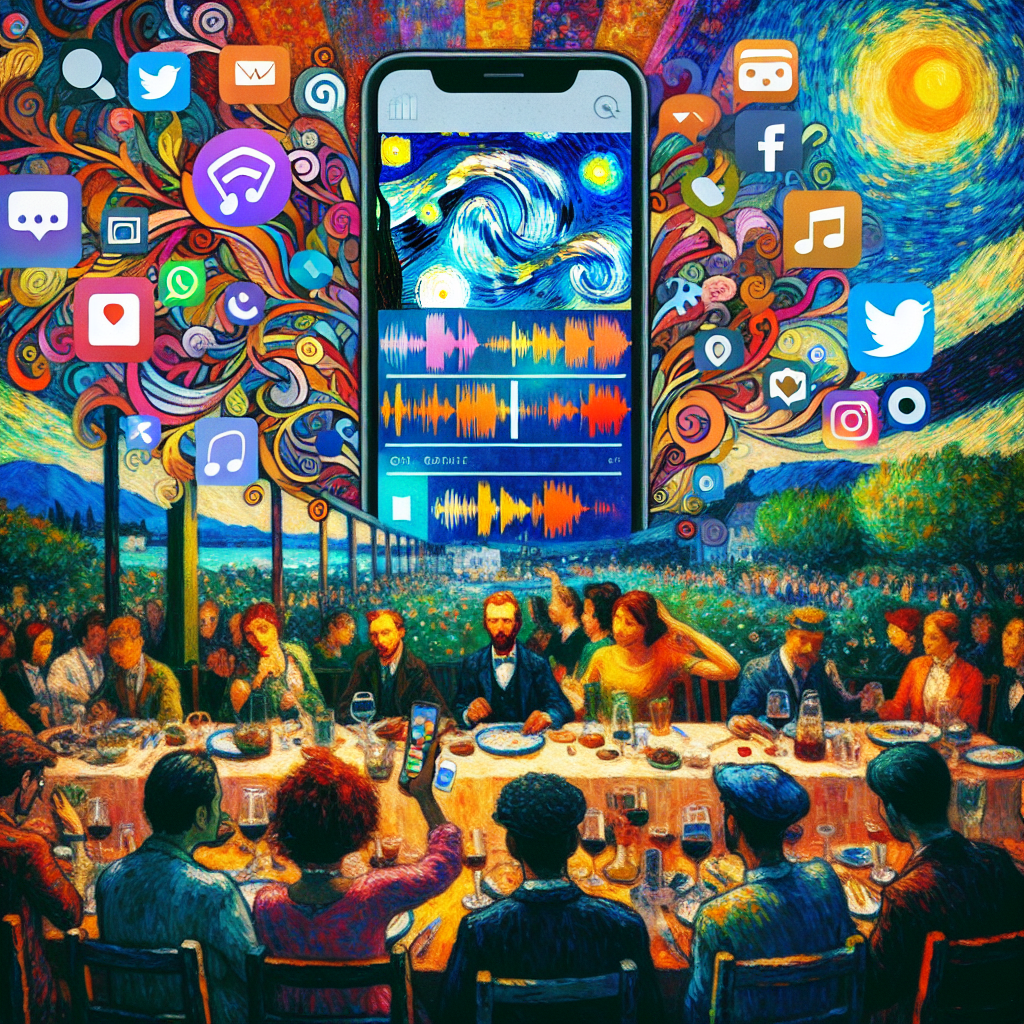
What Tools Can I Use To Create A Digital Life Narrative?
What Tools Can I Use To Create A Digital Life Narrative?
- Crafting a digital life narrative involves weaving together experiences, relationships, and wisdom.
- Your smartphone serves as a powerful storytelling tool with apps like StoryCorps for recording interviews.
- Multimedia tools like Canva and Adobe Spark can enhance narratives with visuals, photos, and audio clips.
- Creating a blog on platforms like WordPress or Wix offers a personal outlet for sharing your journey.
- Utilizing social media, such as Facebook and Instagram, can help document life moments as they happen.
- Choose tools that reflect your style and comfort level to start your legacy storytelling project.
- Legacy storytelling focuses on capturing the heart of your journey, not just the facts.

What Tools Can I Use To Create A Digital Life Narrative?
How Can I Engage Family Members In Sharing My History?
Gather ’round, folks, because it’s time to dive into the treasure trove that is your family history. Everyone has stories worth sharing, and it’s high time we coax those tales out into the open. Think about it: each life lived is a chapter in a much larger book, a unique edition with experiences that can inspire, teach, and connect. So, how do you turn your family members into engaged storytellers, helping you craft what can only be described as a beautifully woven tapestry of your legacy?
First off, create a comfortable space—both physically and emotionally. Set the scene; cozy sofas, warm lighting, and perhaps a cup of tea or a slice of pie to share can work wonders. The key is to make this feel less like an interview and more like a gathering of minds and hearts. Prompt your family members with questions that invite them to reminisce, “What was your favorite childhood memory?” or “Tell me about a turning point in your life.” This isn’t just probing for information; it’s unlocking the doors of shared history and allowing everyone to step into the same room together.
Next, listen with intention. This is where the magic happens. Show genuine interest in the details, the sights, the smells, and the emotions that come flooding back as they recount their stories. Ask follow-up questions—don’t be afraid to dig deeper. You’ll find that stories blossom into fuller, richer narratives when people feel understood and valued. It’s about more than just the facts; we’re after the soul of the story.
And let’s talk about technology for a moment. It’s your friend in this process! With smartphones, tablets, and computers, recording these sessions has never been easier. Capture the essence of these conversations for future generations to savor. This isn’t just a documentation exercise; it’s a way to honor the legacy storytelling that you’re engraving into your family lore.
Lastly, bring it all together. Create something tangible—a scrapbook, a digital compilation, or even a family podcast. Share these stories widely among your family, reigniting conversations and exploring branches of your family tree you never knew existed. By taking the time to engage your family members in sharing your history, you’re not only preserving memories but also setting the foundation for the future. So, roll up your sleeves, gather your clan, and start uncovering those hidden gems; after all, every story adds another thread to the rich fabric of your family’s legacy.

How Can I Engage Family Members In Sharing My History?
How Can I Engage Family Members In Sharing My History?
- Engage in family storytelling to explore and share your unique family history.
- Create a comfortable environment to foster open conversations among family members.
- Use prompting questions to inspire reminiscence, such as asking about favorite memories or life turning points.
- Listen with intention to details and emotions, showing genuine interest in the stories shared.
- Utilize technology, like smartphones and tablets, to record conversations for future generations.
- Compile stories into tangible formats such as scrapbooks, digital compilations, or podcasts.
- Preserve memories while exploring family connections and establishing a legacy for the future.

How Can I Engage Family Members In Sharing My History?
What Are The Benefits Of Creating A Video Autobiography?
Have you ever sat down with a cup of coffee, paging through an old family album, and felt a wave of nostalgia wash over you? Every photograph tells a story, and every story holds a piece of us—a thread in the intricate tapestry of our lives. Now, imagine if you could express those stories not just through pictures, but through your own voice and presence. This is the heart of legacy storytelling; it’s not just about preserving memories but about capturing the essence of who you are.
Creating a video autobiography does more than just document your life; it serves as a powerful tool for connection. In this fast-paced world, our busy schedules can lead to a disconnect with our loved ones. By sitting down to recount your journey—from the trials to the triumphs—you offer a gateway into your world. And let’s be real, there’s something incredibly intimate about seeing a person’s eyes light up as they recount their favorite anecdotes or reflect on hard-earned lessons. It’s like inviting your family and friends into a warm, living room filled with stories that only you can tell.
Yet, the benefits extend far beyond personal connection. In crafting your narrative, you’re also defining your legacy. Think about what you want to be remembered for, the values you want to pass down to future generations. A video autobiography isn’t just a documentary of your life; it’s a blueprint of your beliefs and experiences. You’re leaving behind not just a collection of stories but a foundation for others to draw inspiration from. It’s a powerful gift that can encourage younger generations to learn from your successes and your mistakes.
Moreover, there’s something liberating about putting your thoughts into words and images. It’s a chance to reflect, to celebrate your journey, and to embrace the full spectrum of your experiences. You might find that in sharing your story, you also discover new insights about yourself—hidden dreams, deep-seated values, or even the beauty of simple moments that brought you joy.
So, why not take that leap? Share your legacy, tell your story, and remind yourself that you matter. Your life is a wealth of experiences waiting to be documented. In doing so, you’ll leave behind a legacy that resonates, inspires, and connects across generations.

What Are The Benefits Of Creating A Video Autobiography?
What Are The Benefits Of Creating A Video Autobiography?
- Nostalgia is evoked through old family photographs, highlighting the stories and memories they hold.
- Legacy storytelling captures the essence of who you are, beyond just preserving memories.
- A video autobiography serves as a powerful tool for connection with loved ones.
- Sharing personal journeys fosters intimacy and invites others into your life’s story.
- Crafting your narrative allows you to define your legacy and pass down values to future generations.
- Expressing your thoughts and experiences can lead to personal reflection and newfound insights.
- Documenting your life helps create a resonant legacy that inspires and connects across generations.

What Are The Benefits Of Creating A Video Autobiography?
Conclusion
In a world that feels more like a swirling vortex of tweets and trending topics than a steady storyline, the quest for personal legacy storytelling becomes paramount. If you’ve ever felt like your life is just a series of fleeting moments, let me tell you: it doesn’t have to be that way. Each one of us carries a treasure trove of experiences—victories, failures, hilarious missteps, and heartbreaking lessons—that deserve to be shared. So, how do we ensure that our unique stories resonate and endure beyond our time on this planet? It starts with the basics: reflection and capture. Grab a pen, a voice recorder, or that nifty smartphone that tracks your every move. Jot down memories as they surface. Want to reminisce about that road trip where one tire blew out but you ended up laughing ’til you cried? Great! Write it down. This isn’t about crafting the next great American novel; it’s about trusting your voice to tell the stories that matter most.
Once those memories are captured, the magic really begins when you share them. Gather your loved ones around the kitchen table, ignite those conversations, and let the laughter and tears engulf you. Each story shared doesn’t just add to your legacy; it becomes a shared experience that binds generations. Don’t stop there—if you’re tech-savvy, consider utilizing multimedia options or social platforms to broadcast your narratives to even wider audiences. Blogs, video diaries, and podcasts can serve as digital vessels for your life’s wisdom and humor.
Don’t shy away from vulnerability, either. The imperfections in your journey are what truly connect people to you. Remember that it’s not about painting a flawless image; it’s about sharing raw moments that showcase your humanity. You want the world to know who you are? Open up. In doing so, you not only secure your own memories but inspire others to reflect on theirs, igniting a beautifully messy web of connection.
Life is an intricate tapestry of experiences, and every thread counts. By actively engaging in this storytelling process and encouraging family participation, we create not just an archive of our stories but a living legacy—a gift that keeps on giving. So, take up the mantle of legacy storytelling. Chronicle your life; engage those around you; and let your story be a beacon that inspires future generations to share theirs. Because at the end of the day, every life lived deserves to be remembered, one story at a time.

Conclusion
Conclusion:
- The quest for personal legacy storytelling is crucial in a fast-paced world.
- Everyone has valuable experiences that deserve to be shared.
- Start by reflecting on and capturing memories through writing or recording.
- Sharing stories with loved ones creates a shared experience that binds generations.
- Utilize technology, like blogs and podcasts, to reach wider audiences.
- Embrace vulnerability; raw, imperfect stories connect people.
- Engaging in storytelling creates a living legacy that inspires future generations.

Conclusion
Other Resources

Other Resources
Here is a list of other resources you can review online to learn more:
- Trust And Will
- RocketLawyer
- Forever Missed
- FutureMe
- Remembered.com
- UpCounsel
- International End of Life Doula Association
- Lexikin
- IronClad Family
Use This Prompt To Get More Resources With Your Favorite Online AI Tool: Please provide me with a list of online articles with their URLs in a bulleted list that I can read regarding How Can You Ensure Your Life Story Is Never Forgotten?

Other Resources
Glossary Terms
How Can You Ensure Your Life Story Is Never Forgotten? – Glossary Of Terms
1. Memoir: A written account of personal experiences, often reflecting significant life events and emotions.
2. Legacy: What is left behind after one’s passing, encompassing memories, teachings, and values shared with others.
3. Narrative: A structured story that includes a plot, characters, and a setting, used to convey life experiences.
4. Oral History: The collection and study of historical information through recorded interviews with individuals about their experiences.
5. Anthology: A published collection of writings (such as stories or poems) grouped by theme or subject, including personal narratives.
6. Archival: Relating to the preservation of historical documents and records, ensuring that life stories are accessible for future generations.
7. Biography: A comprehensive description of an individual’s life written by another person, capturing key moments and influences.
8. Digital Archive: An online collection of documents, photos, and recordings preserved for easy access, often used to store personal histories.
9. Genealogy: The study of family history and lineage, often involving the documentation of family members and their life stories.
10. Storytelling: The art of sharing stories, often used to convey life lessons and maintain cultural heritage.
11. Legacy Project: An initiative aimed at preserving memories and stories, often including written accounts, videos, or art.
12. Life Review: A reflective process where individuals examine their past experiences, often conducted in therapy to find meaning and closure.
13. Engagement: The process of actively connecting with others to share and discuss life stories, fostering remembrance and understanding.
14. Memory Keeper: A person or object that holds and preserves memories, such as journals, scrapbooks, or family trees.
15. Curation: The selection and organization of memories, documents, and artifacts to create a cohesive representation of an individual’s life.
16. Footprints: Metaphorical traces left behind that represent significant experiences and influences throughout one’s life.
17. Preservation: The act of maintaining and protecting personal stories and memories for future generations to appreciate.
18. Commemoration: The act of honoring and remembering someone through memorials, stories, or dedicated events.
19. Reflection: The thoughtful consideration of past experiences, allowing for deeper understanding and personal growth.
20. Intergenerational Sharing: The practice of sharing stories and knowledge across different age groups, contributing to collective memory.
21. Photographic Memory: The ability to vividly remember and visualize past experiences, often enhanced by photographs.
22. Personal Archive: A collection of an individual’s documents, photos, and keepsakes that chronicle their life journey.
23. Legacy Letter: A written message generally intended for future generations, expressing personal values, hopes, and life lessons.
24. Narrative Therapy: A therapeutic approach that uses storytelling to help individuals understand and reframe their life experiences.
25. Podcast: An audio program, often episodic, where individuals can share their stories or interview others about their life experiences.
26. Documentary: A film or video that presents factual information about a person’s life, capturing narratives in a visual format.
27. Social Media: Online platforms that can be used to share personal stories and experiences with a wider audience, preserving them in digital form.
28. Scribe: A person who writes down stories, often acting as a recorder of events or memories for others.
29. Tribute: An act or statement honoring a person’s life and contributions, often shared at memorials or celebrations.
30. Chronicle: A factual written account of important or historical events in the order they occurred, capturing personal or collective histories.
These terms can help frame discussions about the importance of documenting personal histories and preserving the stories that shape our lives.

Glossary Of Terms
Other Questions
How Can You Ensure Your Life Story Is Never Forgotten? – Other Questions
If you wish to explore and discover more, consider looking for answers to these questions:
- What are some creative ways to tell my life story?
- How can I involve my children in documenting our family history?
- What should I do if I’m not a natural storyteller?
- How can I better organize my memories before sharing them?
- What are some examples of legacy storytelling from famous individuals?
- How do I balance sharing my life story while respecting the privacy of others?
- What are the best platforms for sharing my digital legacy?
- Can I combine different mediums for a more engaging narrative?
- How can memory prompts help in recalling forgotten stories?
- What ethical considerations should I keep in mind while documenting my family’s history?

Other Questions
Haiku
How Can You Ensure Your Life Story Is Never Forgotten? – A Haiku
Stories treasured,
Memories woven in time,
Legacy lives on.

Haiku
Poem
How Can You Ensure Your Life Story Is Never Forgotten? – A Poem
In a world where whispers fade,
Amidst the rush, the noise, the trade,
A question stirs beneath the sun,
How to weave the tales we’ve spun?
Each life, a thread, each moment’s glow,
From laughter shared to tears that flow,
Hidden gems in corners stored,
Eager hearts, your truth adored.
Grab a pen or tape the sound,
Let scattered thoughts and memories abound.
Not just for books, not just for lore,
But for souls to bind, and hearts to soar.
Gather ’round the table wide,
Where stories breathe and memories glide,
A child’s laugh, a love once new,
The trials faced—the paths you drew.
In journals’ ink and voices strong,
Capture lives that won’t belong
To silence, shadows, or the dark,
Let them blaze; ignite the spark.
With digital tools, let tales unfold,
Create a scrapbook, let experiences be told,
Share your world through every lens—
Flesh and memories bound as friends.
Invite your kin to join the weave,
In shared retelling, they may believe—
Stories breed connections profound,
In past and present, love is found.
And if the moments blur with time,
A video whispers, a living rhyme.
Your heart, your essence, in every frame,
Preserved like treasures, stake your claim.
So tell, my friend, your life’s own song,
Your legacy’s not just where you belong.
It’s in the love you leave behind,
In every tale, our lives entwined.
Through laughter, heartache, joy, and strife,
You craft a narrative—your beautiful life.
Let not your story be lost or forgot,
For within each word, lies the warmth of your heart.

Poem
Checklist
How Can You Ensure Your Life Story Is Never Forgotten? – A Checklist
Getting Started: Documenting Your Life Story
_____ Grab a Tool: Choose a notebook, voice recorder, or your phone.
_____ Capture Memories: Write or record memories as they come to you—no filtering!
_____ Set a Regular Schedule: Dedicate time each day or week to write or record your thoughts.
Sharing Your Stories
_____ Engage Loved Ones: Share your stories at family gatherings, dinners, or coffee chats.
_____ Use Technology: Consider starting a blog, video diary, or digital scrapbook.
_____ Invite Others to Share: Encourage family members to tell their own stories during gatherings.
Choosing Memorable Moments
_____ Reflect on Your Values: Identify core themes like resilience, family, or adventure that resonate with you.
_____ Select Emotional Stories: Include moments that evoke joy, heartache, or humor.
_____ Embrace Vulnerability: Don’t shy away from sharing mistakes or challenges; these moments enhance authenticity.
Utilizing Journaling
_____ Start a Journal: Dedicate time to reflect and write about your daily experiences and lessons.
_____ Connect the Dots: Look for patterns or themes in your writings that are meaningful to you.
Engaging Technology
_____ Use Your Smartphone: Download apps for recording interviews and moments (e. g. , StoryCorps).
_____ Explore Multimedia Tools: Utilize websites like Canva or Adobe Spark for creative storytelling formats.
_____ Create a Blog or Website: Build an online space to document and share your narrative.
Family Engagement
_____ Create a Comfortable Atmosphere: Set the scene for discussions with cozy settings and refreshments.
_____ Ask Open-Ended Questions: Prompt family members with questions that invite reminiscing.
_____ Record Conversations: Capture storytelling sessions for future reference.
Creating a Video Autobiography
_____ Plan Your Narrative: Outline key events and lessons you want to share.
_____ Set Up Your Recording Space: Choose a comfortable location with good lighting and audio.
_____ Reflect on Your Journey: Speak genuinely about your experiences and values as you record.
Final Touches
_____ Compile Your Stories: Gather recordings, writings, and other memorabilia into a cohesive format.
_____ Share Your Legacy: Present your compiled stories to family members, inspiring further discussions and connections.
_____ Continue the Practice: Keep documenting and sharing your experiences for future reflections and legacies.
By following this checklist, you’ll be well on your way to preserving your unique legacy for future generations. Remember, your stories matter!

Checklist
At LegacyLearned, we help people tell stories and preserve their legacy by leveraging online and AI tools.
Please share this post with your friends, family, or business associates who may want help telling the stories of their legacy.


