

Crafting A Lasting Legacy Through Your Personal Story
By Tom Seest
At LegacyLearned, we help people tell stories and preserve their legacy by leveraging online and AI tools.
Please share this post with your friends, family, or business associates who may want help telling the stories of their legacy.
How Could You Create a Lasting Impact with Your Personal History?
There’s something inherently powerful about sharing your personal history. Each of us carries a tapestry of experiences, both mundane and extraordinary, that can shape the perceptions and realities of those around us. Imagine for a moment that your life is like an old book sitting on a dusty shelf—full of memories and lessons, just waiting for someone to open it. That’s where legacy storytelling comes into play. It’s about much more than recounting events; it’s about weaving narratives that have the potential to inspire, educate, and connect.
Think about the people you’ve come across in your own life—those individuals who shared their stories with you. Perhaps it was a grandparent narrating tales from their youth, battles fought, and wisdom earned. Maybe it was a friend tackling tough times who taught you resilience through vulnerability. Each shared account forms a bridge of trust, and in turn, creates ripples—ripples that can lead to change, understanding, or even empowerment.
Now, how can you harness your own life story to make a difference? Start by reflecting on the experiences that have shaped you. What moments stand out? What challenges did you face? How did you navigate the good, the bad, and the in-between? Every small detail matters because these pieces add texture and depth to your narrative.
Once you’ve identified your key experiences, think about how they resonate with others. Are there universal themes, such as hardship, triumph, love, or loss? Those themes can be the ink that binds your story to someone else’s heart. Being authentic is crucial. The raw, unfiltered accounts of your life can sometimes be the most impactful. Don’t shy away from sharing the bumps in the road—the rough patches can often bring people closer.
Lastly, consider how you can share your story. It could be through writing, speaking, or even creating videos. In our fast-paced world, the act of sharing can feel daunting, but it’s vital to remember: Your story matters. It has the potential to open dialogues, foster deep connections, and inspire others to reflect on their own journeys.
So go ahead, unearth that book on the shelf, dust it off, and let your legacy storytelling shine. You never know who might be waiting to hear the lessons you’ve learned. It’s not just about leaving behind a personal narrative; it’s about leaving a lasting impact that could ripple through generations.

How Could You Create a Lasting Impact with Your Personal History?
How Could You Create a Lasting Impact with Your Personal History?
- Sharing personal history is powerful and shapes perceptions and realities.
- Legacy storytelling goes beyond events; it’s about inspiring, educating, and connecting.
- Personal stories can create bridges of trust and lead to change and empowerment.
- Reflect on key experiences that have shaped your life; details add depth to your narrative.
- Identify universal themes in your story, such as hardship, triumph, love, or loss.
- Authenticity in storytelling, including rough patches, can be impactful and relatable.
- Share your story through writing, speaking, or videos; your story has the potential to inspire others.

How Could You Create a Lasting Impact with Your Personal History?
Table Of Contents
- How Could You Create a Lasting Impact with Your Personal History?
- How Can My Personal History Shape My Identity?
- What Lessons Can I Learn From My Past?
- How Can I Share My Story Effectively?
- What Resources Can Help Me Document My History?
- How Can I Connect My History To Current Issues?
- In What Ways Can I Inspire Others With My Experiences?
- What Role Does Vulnerability Play In Sharing My Story?
- Conclusion
- Other Resources
- Glossary Of Terms
- Other Questions
- Haiku
- Poem
- Checklist
How Can My Personal History Shape My Identity?
Let’s be honest for a moment: your history is like the colorful patchwork quilt of your life. Each patch tells a tale—from the small victories to the monumental struggles, and all the moments in between. When we talk about shaping identity, we’re diving into the realm of Legacy Storytelling. This isn’t about spinning grand tales or putting on a show; it’s about recognizing that every stitch in that quilt is vital, making it both unique and worthy of celebration.
Think back to your childhood. Who were the figures that influenced you? Maybe it was a grandparent who shared stories of resilience, or friends who taught you the value of loyalty. Each interaction, no matter how trivial it seemed at the time, contributes to the framework of who you are. When we start to dissect these memories, we unravel the powerful threads of our personal history—discovering not just who we were, but who we might become.
Perhaps you have a story that’s been whispered through generations—a legacy of courage, creativity, or kindness. These stories have an uncanny way of embedding themselves into our consciousness, shaping our decisions and molding our ambitions. They’re not just data points; they echo our values, guiding us through the challenges life throws our way. By embracing your legacy, you can turn the spotlight on your narrative and make it the foundation of your identity.
Moreover, sharing these stories can forge connections with others. When you open up about your history, it invites others to reveal theirs. The barriers between people begin to dissolve, leading to a more profound understanding of the human experience. It’s this communal storytelling that nurtures trust and fosters empathy. Not only does this enrich your sense of self, but it also empowers those around you.
Your history isn’t just a timeline; it’s an evolving story waiting to be told. So take a moment to reflect on your journey, the lessons learned, and the indelible marks left by those who’ve walked alongside you. Your identity is not just a reflection of what’s happened to you, but rather, a beautiful mosaic crafted from every experience, every connection, and every legacy you choose to carry forward. Embrace it, share it, and let it propel you into the future with confidence.

How Can My Personal History Shape My Identity?
How Can My Personal History Shape My Identity?
- Your history is a colorful patchwork quilt, where each patch represents unique experiences and stories.
- Legacy Storytelling helps shape identity, emphasizing the importance of every experience and its contribution.
- Childhood influences play a significant role in forming your identity through interactions with significant figures.
- Generational stories of courage, creativity, or kindness shape decisions and aspirations, echoing personal values.
- Sharing personal narratives fosters connections, inviting others to share their stories and experiences.
- This communal storytelling nurtures trust and empathy, enriching personal identities and empowering others.
- Your history is an evolving story; embracing and sharing it strengthens your confidence as you move forward.

How Can My Personal History Shape My Identity?
What Lessons Can I Learn From My Past?
Life’s a series of lessons wrapped in experiences, and whether you realize it or not, everything you’ve gone through has shaped who you are today. The challenge lies not in dodging the bumps along the way but in recognizing the gems hidden within those bumps. It’s in the untold stories of our past that we find the powerful narrative of our legacy.
Think about it: Every stumblin’ step you’ve taken is a chapter in your own unique legacy storytelling. You’ve likely encountered moments of triumph, pain, joy, and failure—each one a critical narrative thread in your life’s tapestry. Take a moment to reflect on those experiences. What lessons do they impart? Maybe it was the tough decision to leave a job that made you miserable, or the friendship that fell apart at the seams. These aren’t just bad memories; they’re opportunities for growth. Each failure teaches resilience. Each triumph ignites confidence. Every encounter adds another layer to your character.
Now, here’s the kicker: you’re not alone! So many of us carry the weight of our stories. And when you start to share those experiences—especially the messier ones—you’ll find that not only can they inspire others, but they can also ignite that spark of introspection in them. It’s intimidating at first, I know. But think of it this way; what if your story becomes a lighthouse for someone else navigating their own stormy sea?
So, let’s harness that legacy storytelling! Jot down the pivotal moments in your life. What decisions nudged you in a different direction? Who played a role that still resonates with you? By doing this, you’re not just cataloging your life; you’re developing a roadmap—a personal guide leading you forward.
Ultimately, every lesson you extract from your past can fuel your future. The key is to embrace those experiences—the good, the bad, and the downright ugly—and transform them into something constructive. You’re the author of your own life, and your past isn’t a burden; it’s a treasure trove of insights waiting to be unearthed. So go ahead, dig deep, and write the next chapter with the confidence that comes from understanding where you’ve been. The lessons you learn today can be the anchors you use to navigate tomorrow.

What Lessons Can I Learn From My Past?
What Lessons Can I Learn From My Past?
- Life is shaped by a series of lessons and experiences that contribute to personal development.
- Challenges are opportunities to recognize valuable lessons hidden within difficult moments.
- Every experience—both positive and negative—forms a part of your unique legacy.
- Reflecting on past experiences helps in drawing lessons that promote personal growth.
- Sharing stories, especially the challenging ones, can inspire others and foster connection.
- Documenting pivotal moments creates a personal roadmap for future decisions and direction.
- Embrace your past as a valuable resource, transforming experiences into insights for the future.
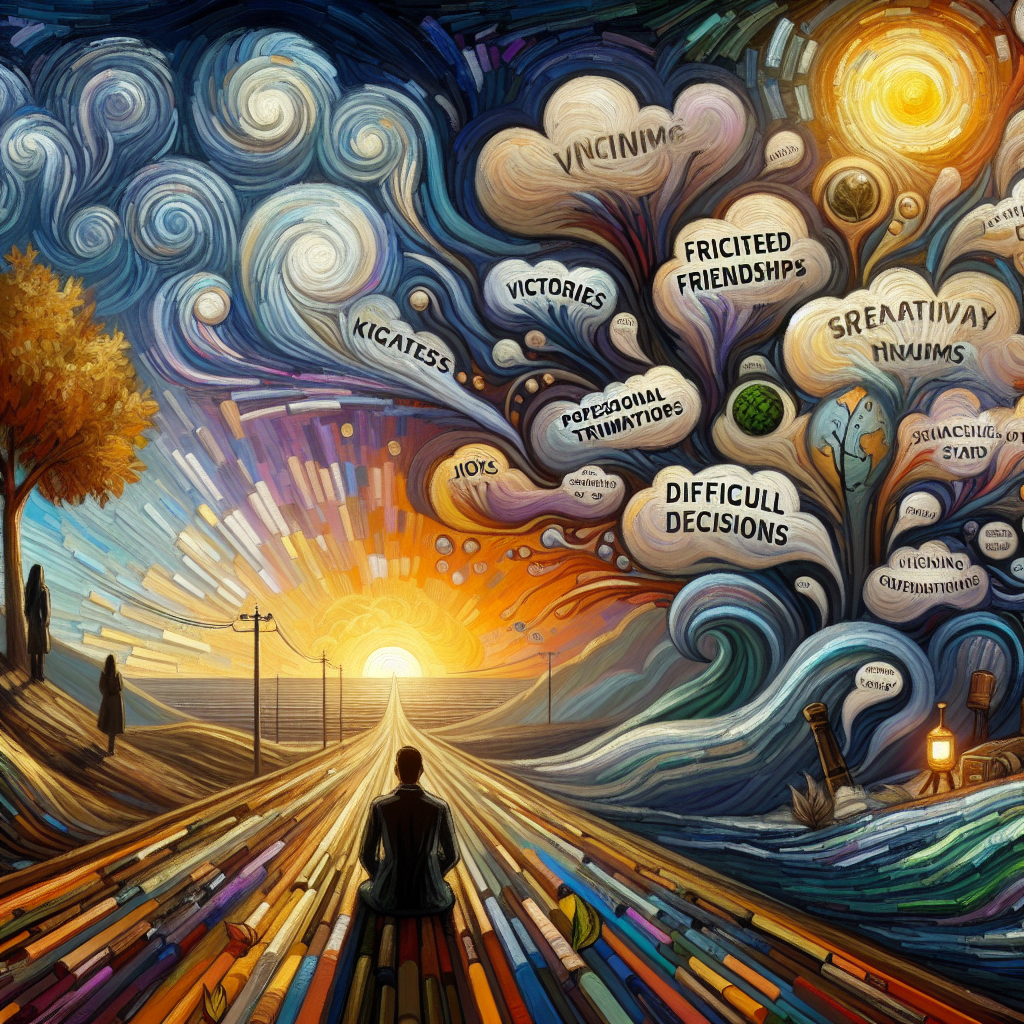
What Lessons Can I Learn From My Past?
How Can I Share My Story Effectively?
Everyone has a story to tell, and believe it or not, your life experiences can weave a tapestry that resonates with others. When it comes to Legacy Storytelling, think of it as more than just a past-time; it’s an opportunity to connect, inspire, and maybe even change the lives of those who hear it.
First things first – get comfortable. Sharing your story is a deeply personal act, and the more at ease you are, the more authentic and powerful your message will be. Picture yourself sitting with a group of friends around a fire, each one leaning in, eager for what you have to say. That imagery is where the magic happens! It’s not just about relaying facts; it’s about living the moment. Your body language, tone, and enthusiasm will breathe life into your words.
Start with what matters to you. Maybe it’s a challenge you faced or a quirky twist of fate that changed your path. Whatever it is, dig deep. We all have those defining moments – the good, the bad, and the downright ugly. Sharing them authentically allows others to see themselves in your story, sparking empathy and reflection. When we present something true, it tends to resound, echoing in the hearts of listeners.
But don’t just stop at the sharing; invite others into your narrative. Ask questions, encourage dialogue, and be receptive to their experiences too. Legacy Storytelling thrives on connection, and through that give-and-take, you’ll create a memorable experience for everyone involved. It’s a shared journey, not a one-sided monologue.
Additionally, mix in humor when appropriate. Life’s unpredictability often brings about the best anecdotes. A well-timed laugh can ease tension, make listeners feel comfortable, and establish a bond. However, remember to remain sensitive; your story is unique, and it might touch on topics that matter deeply for you and others.
Lastly, never underestimate the power of practice. The more you share your story, the clearer it becomes in your mind, allowing it to flow more naturally. So, recount it! Gather friends, family, or even a mirror to build your confidence. Every great storyteller started somewhere; the key is to stay genuine, patient, and, above all, passionate. Your legacy is waiting to be shared—don’t hold back!
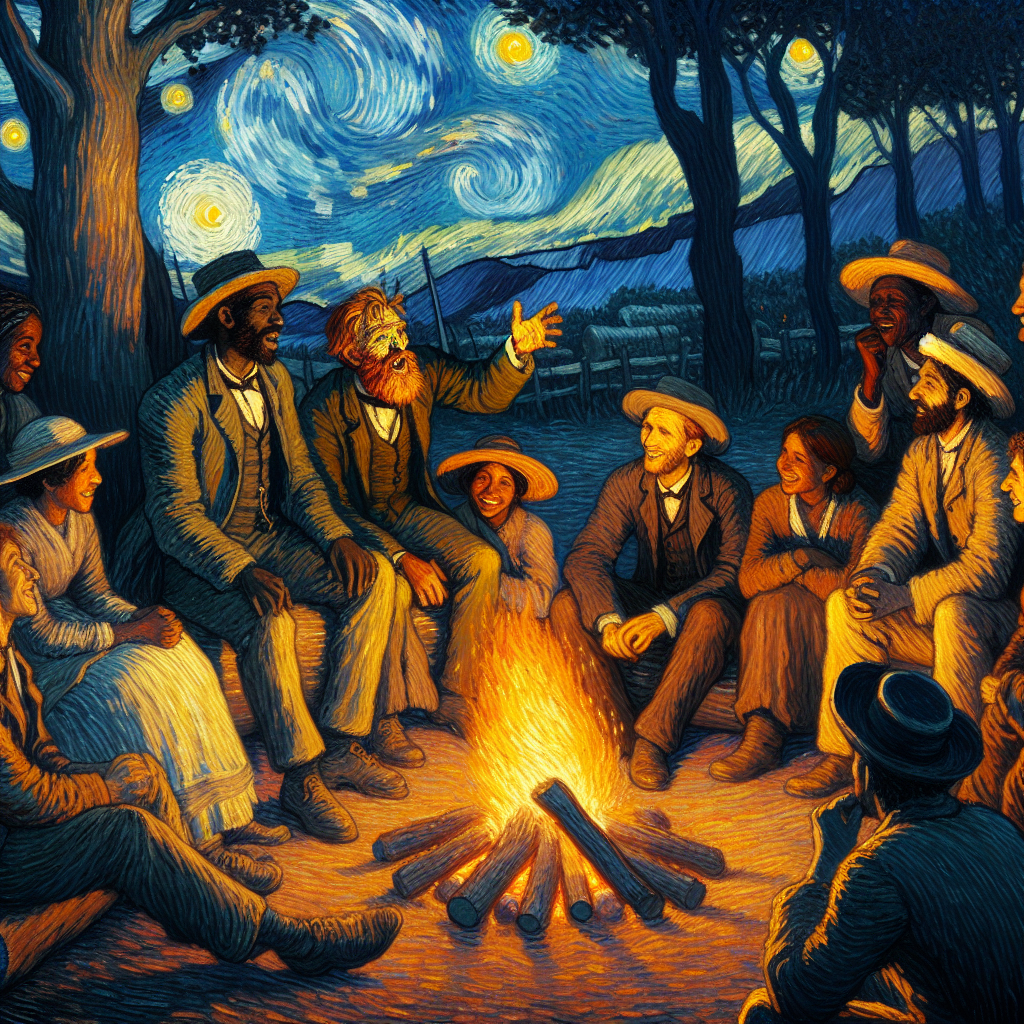
How Can I Share My Story Effectively?
How Can I Share My Story Effectively?
- Legacy Storytelling is an opportunity to connect, inspire, and impact others through personal experiences.
- Creating a comfortable atmosphere enhances authenticity and power in storytelling.
- Start with significant moments – both struggles and triumphs – to resonate with listeners.
- Encourage dialogue and invite others into your narrative for a more engaging experience.
- Incorporate humor to ease tension and foster connection, while being sensitive to your audience.
- Practice sharing your story to improve clarity and confidence in your storytelling.
- Stay genuine, patient, and passionate to effectively share your unique legacy.
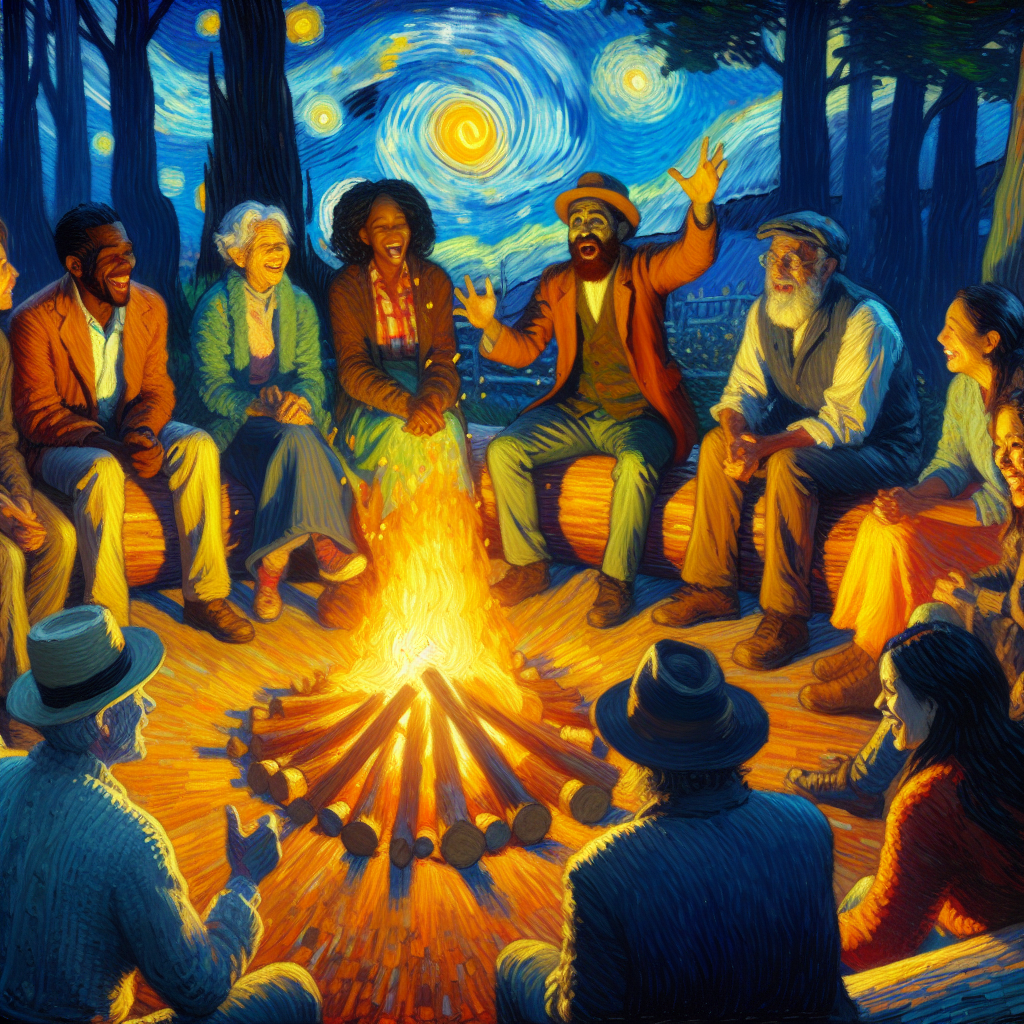
How Can I Share My Story Effectively?
What Resources Can Help Me Document My History?
When it comes to capturing the essence of your life’s journey, the task can feel as monumental as climbing Everest. But fear not! The world is overflowing with resources tailored just for you, ready to guide you in documenting your history. It’s an adventure worth taking, and you don’t have to go it alone.
First things first, let’s talk about Legacy Storytelling. This is more than just a buzzword; it’s a deeply personal approach to preserving your memories, lessons, and experiences for future generations. Think of it as crafting a treasure map that not only tells your story but also reveals all the hidden gems within it. Various platforms allow you to create, share, and even publish your narratives. Websites dedicated to family history can help you construct a digital scrapbook of sorts, merging photographs, anecdotes, and mementos into a cohesive masterpiece.
If you’re more of a hands-on learner, workshops and community classes can be an excellent way to delve into the craft of storytelling. Engaging with others who share your passion adds a layer of richness to the experience. You’ll find that many local libraries and community centers offer programs focused on personal history documentation. These classes can ignite the storyteller in you and connect you with like-minded individuals who might share invaluable tips or emotional support.
Then there’s the option of oral history projects. Have you thought about recording conversations with family members? Technology has made this easier than ever. Grab your smartphone or a simple voice recorder, sit down with a beloved elder, and let the stories flow. These sessions can provide insights and anecdotes that you might never uncover on your own. Not to mention, it’s an intimate way to bond and learn, creating lasting moments for both of you.
And let’s not bypass online resources! Blogs, podcasts, and videos can serve as fantastic guides. Many people share their journeys and tips through various mediums, offering inspiration and strategies to help you get started. With a little Google magic, you’ll find a plethora of options at your fingertips.
Documenting your history is about more than just recording facts—it’s about preserving the essence of who you are. So, roll up those sleeves, let your story unfold, and trust that the right resources are out there, waiting for you to stumble upon them. Your legacy deserves to be told!

What Resources Can Help Me Document My History?
What Resources Can Help Me Document My History?
- Capturing life’s journey is a rewarding task, akin to an adventurous trek.
- Legacy Storytelling is a personal way to preserve memories and experiences for future generations.
- Various platforms exist for creating digital scrapbooks, merging photos, anecdotes, and mementos.
- Workshops and community classes offer hands-on learning and connection with others passionate about storytelling.
- Oral history projects can be conducted using simple recording devices to capture family stories and insights.
- Online resources such as blogs, podcasts, and videos provide inspiration and strategies for storytelling.
- Documenting your history goes beyond facts; it’s about preserving your essence and legacy.

What Resources Can Help Me Document My History?
How Can I Connect My History To Current Issues?
Connecting your history to current issues might feel like trying to solve a puzzle without knowing what the final picture is supposed to look like. But here’s the deal: your past is not just a collection of dates in dusty textbooks; it’s a rich tapestry of experiences, lessons, and stories that can illuminate our present struggles. Embracing legacy storytelling allows you to weave your personal narrative into the broader fabric of today’s challenges, and trust me, that’s a powerful thing.
Start by examining the times of your life that stand out. Think about the hurdles you’ve crossed, the victories you’ve celebrated, and even the failures that taught you more than any success ever could. Each of these moments is a thread in your legacy story—a unique view on resilience, innovation, and human spirit that can resonate with others navigating similar waters today.
Now, let’s take a closer look at current issues. Whether it’s the struggle for social justice, the pursuit of sustainability, or the quest for mental health awareness, there are echoes of our histories in every challenge we face. Look for patterns and parallels. How did your grandparents persevere in hard times? What scripts have your parents passed down about overcoming adversity? When you align your own history with today’s context, you’re not just surviving—you’re thriving, and you’re forging a path for others to follow.
Here’s where it gets interesting: the act of sharing can ignite change. By telling your legacy story, you open up a dialogue. Folks might see bits of their own experiences reflected in your tale, and that connection can foster understanding and empathy, which are desperately needed right now. Remember, history isn’t just about what happened; it’s about how it informs what’s happening now.
So, don’t keep your legacy locked away. Gather your thoughts, your experiences, even your old journals, and start sharing. Share with friends, family, community groups, or even in online forums. Your story might be the spark someone else needs to confront their own issues or take action in their community.
By connecting your history to current issues, you’re not just a bystander; you become part of the solution. You’re contributing to a narrative that can inspire hope, ignite passion, and fuel the drive for change. So go ahead—dive into your past, connect those dots, and watch the present unfold in new and exciting ways.

How Can I Connect My History To Current Issues?
How Can I Connect My History To Current Issues?
- Connecting personal history to current issues reveals a rich tapestry of experiences and lessons.
- Embrace legacy storytelling to weave personal narratives into today’s challenges, fostering understanding.
- Reflect on significant life moments, including hurdles and successes, as threads in your legacy story.
- Identify patterns from your history that connect to modern struggles, such as social justice and mental health.
- Sharing your legacy story can ignite change and create dialogues that resonate with others’ experiences.
- Encourage sharing of experiences with friends, community groups, or online forums to inspire action.
- By connecting history to current issues, you can become part of the solution and inspire hope and passion.

How Can I Connect My History To Current Issues?
In What Ways Can I Inspire Others With My Experiences?
In a world flooded with noise, where everyone vies for attention, your experiences—those unique life moments that shaped you—can resonate like a well-tuned bell. This is the essence of legacy storytelling: sharing your journey in a way that not only captivates but also inspires others to reflect on their own paths.
Now, let’s be clear: you don’t need to have climbed Everest or authored a bestselling novel to impact others. Inspiration often hides in the simplest of anecdotes—the tough job you slogged through, the profound lesson learned from a failure, or even those quiet moments of grace that caught you off guard. These are the stories that stitch the fabric of our collective experience. When we share them, we invite others into our lives, creating a tapestry of connection that reminds us we’re not alone in our struggles.
Imagine standing in a room, sharing your story. As you speak, you can almost see the lights go on in others’ eyes when they hear about your challenges and triumphs. It’s in these shared moments that we cultivate resilience. Your story could be the spark that lights someone else’s fire, encouraging them to push through adversity or to embrace an opportunity they might have otherwise missed.
But let’s not gloss over the fact that vulnerability plays a significant role in this process. When we share our setbacks along with our successes, we show that perfection is a myth. This honesty fosters trust and encourages others to open up, creating a safe space for dialogue and reflection. After all, everyone has something to gain from a little raw reality. It reminds us that growth isn’t linear, and each person’s journey is a valid thread in the wider narrative of life.
So, how can you begin? Start small. Share a story with a friend, write a blog post, or even engage in conversations in your community. You never know who might be hanging on your words, waiting for that nudge to inspire some action in their own lives. Embrace the opportunity to connect through your experiences—your legacy storytelling can become a beacon of hope and a catalyst for change.
Ultimately, remember: it’s not just about the story you tell, but the ripple it creates in the lives of others. And that’s a legacy worth leaving.

In What Ways Can I Inspire Others With My Experiences?
In What Ways Can I Inspire Others With My Experiences?
- Your unique life experiences can resonate powerfully in a noisy world, embodying the essence of legacy storytelling.
- Inspiration can be found in everyday anecdotes, not just in grand achievements.
- Sharing our stories fosters connection and reminds us that we are not alone in our struggles.
- Analyzing others’ responses to your story can reveal how shared experiences cultivate resilience.
- Emphasizing vulnerability in storytelling shows that perfection is a myth and fosters trust.
- Engage in storytelling by starting small—share with a friend, write a blog, or converse in your community.
- The impact of your story can create ripples of change and serve as a beacon of hope for others.

In What Ways Can I Inspire Others With My Experiences?
What Role Does Vulnerability Play In Sharing My Story?
When we think about sharing our stories, it often feels like we’re standing on a tightrope. On one side, there’s the desire for connection, and on the other, the fear of exposing ourselves to judgment. But here’s the kicker: vulnerability is the fabric that holds these stories together. It’s the common thread that threads us to one another. It’s in those moments of raw honesty that we truly illuminate our paths, and that’s where legacy storytelling begins.
Let’s face it: everyone has a story, but not everyone is willing to share it. Diving into the depths of our experiences—those exhilarating highs and gut-wrenching lows—can trigger all sorts of fears. What if someone doesn’t understand? What if they judge? These questions linger like shadows in the back of our minds, stunting our willingness to connect. But consider this: what if, in sharing those imperfections, we inspire someone else to share theirs? That’s the essence of legacy storytelling. It’s about creating a ripple effect, encouraging others to embrace their own narratives, imperfections, and all.
Think about it. There’s nothing more comforting than realizing you’re not alone in your struggles. When you allow yourself to be vulnerable, you offer a glimpse of authenticity. You give others permission to show up as they are. It builds trust in a world that often feels transactional. It transforms passive listeners into engaged participants. When we open up, we create an environment where others feel safe to do the same.
So, how do we harness this vulnerability in our own storytelling? Start by leaning into it. Share the moments that made you stumble and the lessons you learned while picking yourself back up. Share the laughter, the triumphs, and yes, even the tears. Each piece you reveal enriches your legacy, weaving a tapestry of experiences that others can learn from.
Remember: A story well-told isn’t just about the triumphs; it’s also about the journeys that led us there. Embrace your vulnerability. Share your truth. You might just discover that your story, once unveiled, has the power to ignite change—not only in your life but in the lives of others as well. It’s a path worth taking. It’s a story worth sharing.

What Role Does Vulnerability Play In Sharing My Story?
What Role Does Vulnerability Play In Sharing My Story?
- Sharing stories involves a balance between the desire for connection and the fear of judgment.
- Vulnerability is essential for legacy storytelling, connecting us through raw honesty.
- Everyone has a story, but many hesitate to share due to fear of misunderstanding or judgment.
- Sharing imperfections can inspire others to tell their own stories, fostering a ripple effect.
- Vulnerability creates a feeling of authenticity and builds trust in relationships.
- To harness vulnerability, share both the struggles and triumphs of your experiences.
- A well-told story encompasses the journeys behind the triumphs, unleashing the potential for change.

What Role Does Vulnerability Play In Sharing My Story?
Conclusion
In the wild journey of life, we’re each carrying our own unique stories, a collection of moments that intertwine to form our legacy. Think of your personal history as an old book waiting to be opened—a narrative filled with trials, triumphs, laughter, and lessons, just waiting for someone to dive in. The impact of sharing these stories can be monumental, not just for you, but for others who need to hear them. It’s more than reminiscing; it’s legacy storytelling at its finest, bringing forth the power to inspire and connect.
Take a moment and reflect: what pivotal moments have shaped your identity? It could be a cherished lesson from a grandparent, a tough challenge you faced, or a hard-fought victory. All these details matter. An authentic narrative—raw and unfiltered—has a way of resonating deeply with others. The bumps you’ve encountered are not just obstacles; they’re golden opportunities to foster connection and empathy.
Navigating the art of storytelling can feel daunting, but think of it as sitting around a campfire, sharing tales with friends. The key lies in making your audience lean in, inviting them to relate to your journey. Sprinkle in a bit of humor if it fits, and keep your storytelling interactive. The more you share, the more opportunities you create for dialogue and connection.
And don’t overlook the resources available for documenting and sharing your legacy. From workshops at local libraries to the vast expanse of online platforms, the tools are out there to help you craft your narrative into something others can cherish and learn from.
Now, let’s connect those personal tales to current issues. Your experiences can shine a light on shared challenges, offering insights and fostering collective growth. It’s all about drawing lines between your story and the ongoing struggles we face—whether they’re social justice, mental health awareness, or environmental sustainability. Your legacy can be a beacon, sparking hope and igniting change.
In the end, remember that vulnerability is a superpower in this process. By sharing your imperfections along with your successes, you create an atmosphere of trust, allowing others to unveil their stories too. This mutual sharing nurtures community and connection, evidenced by those moments when someone feels seen or inspired by your journey.
So, dust off that book of yours and start sharing. You never know the waves your words might create. Your personal history isn’t just a collection of events; it’s a treasure trove waiting to ripple through generations. Let your legacy storytelling shine, and perhaps you’ll inspire others to do the same. After all, every great tale deserves its moment in the spotlight.

Conclusion
Conclusion:
- Each of us carries unique stories that form our personal legacy.
- Sharing our narratives can have a monumental impact on ourselves and others.
- Pivotal moments such as lessons from loved ones or personal victories shape our identities.
- The art of storytelling should be interactive and inviting, akin to sharing tales around a campfire.
- Resources like workshops and online platforms are available to help document and share our legacies.
- Your personal experiences can highlight current social issues and foster collective growth.
- Vulnerability in storytelling helps build trust in communities, encouraging mutual sharing and connection.

Conclusion
Other Resources

Other Resources
Here is a list of other resources you can review online to learn more:
- Knotify.me
- StoryCorps
- Cake
- LifeBio
- Remembered.com
- FamilySearch
- Funeral Services Guide
- INELA
- Willmaker
- UpCounsel
Use This Prompt To Get More Resources With Your Favorite Online AI Tool: Please provide me with a list of online articles with their URLs in a bulleted list that I can read regarding How Could You Create a Lasting Impact with Your Personal History?

Other Resources
Glossary Terms
How Could You Create a Lasting Impact with Your Personal History? – Glossary Of Terms
1. Impact: The effect or influence that one person, event, or action has on another, particularly regarding societal transformation or personal legacy.
2. Legacy: Something handed down by a predecessor, often signifying the values, beliefs, and memories one wants to leave behind.
3. Personal History: An individual’s unique experiences and narratives that shape their identity and influence their future actions and decisions.
4. Storytelling: The art of sharing personal experiences in a compelling manner that resonates with others and inspires them.
5. Authenticity: Being genuine and true to oneself, fostering trust and connection in relationships as one shares their history.
6. Resilience: The capacity to recover from difficulties and challenges, often highlighted in personal stories to inspire others.
7. Empathy: The ability to understand and share the feelings of others, an essential element in effectively communicating personal history.
8. Vulnerability: Willingness to expose one’s weaknesses or struggles, which can deepen connections and foster community.
9. Inspiration: The process of being mentally stimulated to do or feel something, especially something creative or impactful based on one’s history.
10. Advocacy: Public support for a cause, often stemming from personal experiences that motivate individuals to make a difference.
11. Mentorship: Guidance provided by a more experienced person to a less experienced individual, often rooted in shared historical contexts.
12. Courage: The ability to confront fear, pain, or adversity, often a prominent theme in personal narratives that create impact.
13. Reflection: The act of contemplating one’s past actions and experiences, crucial for understanding how to leverage personal history for future impact.
14. Purpose: The reason for which something is done, especially useful in shaping how personal history can be shared for greater good.
15. Community: A group of individuals who share common interests or goals, often the audience for the lasting impact of personal stories.
16. Change Agent: An individual who actively promotes and facilitates change within their community, often using their personal history as a catalyst.
17. Empowerment: Enabling others to take control of their own lives, often inspired by someone’s relatable personal experiences.
18. Connection: The relationships formed when individuals engage with each other’s personal histories, fostering a sense of belonging.
19. Narrative: A spoken or written account of connected events; a way of framing personal history to highlight meaningful lessons.
20. Transparency: The quality of being open and honest in sharing personal experiences, which can enhance credibility and trust.
21. Cultural Heritage: The traditions, customs, and values passed down through generations that inform personal history and community impact.
22. Social Responsibility: The idea that individuals and organizations have an obligation to act for the benefit of society at large, influenced by personal histories.
23. Legacy Projects: Initiatives designed to preserve and further one’s impact after they are gone, often rooted in personal experiences and beliefs.
24. Healing: The process of recovery from emotional pain or trauma, which personal histories can exemplify, providing hope to others.
25. Peer Influence: The impact that individuals have on one another, especially relevant when sharing personal stories to encourage positive behavior.
26. Collective Memory: The shared pool of information and experiences held by a group, shaped by individuals’ personal histories.
27. Social Justice: The pursuit of equality and fairness in society, often motivated by personal experiences that drive individuals to advocate for change.
28. Vision: An aspirational description of what an individual or organization aims to achieve, often informed by their personal journey.
29. Accountability: The obligation to explain, justify, and take responsibility for one’s actions, crucial in making a lasting impact through personal history.
30. Transformation: A significant change that often occurs as a result of reflecting on personal history and choosing to engage in meaningful action.

Glossary Of Terms
Other Questions
How Could You Create a Lasting Impact with Your Personal History? – Other Questions
If you wish to explore and discover more, consider looking for answers to these questions:
- What are the key elements of an effective personal story?
- How can I identify the most impactful moments in my life?
- What techniques can I use to improve my storytelling skills?
- In what ways can sharing my story benefit my mental health?
- How can I incorporate multimedia elements into my storytelling?
- What are some examples of powerful legacy stories?
- How can I find an audience for my story?
- What ethical considerations should I keep in mind when sharing personal stories?
- How can I encourage others to share their stories as well?
- What are some common pitfalls to avoid when sharing personal experiences?
- How do I handle negative feedback on my shared story?
- Are there workshops or courses focused on legacy storytelling I can attend?
- What impact can personal storytelling have on community building?
- How do I ensure my story resonates with diverse audiences?

Other Questions
Haiku
How Could You Create a Lasting Impact with Your Personal History? – A Haiku
Personal tales to share,
Each thread weaves bonds through our past,
Legacy lives on.

Haiku
Poem
How Could You Create a Lasting Impact with Your Personal History? – A Poem
In the quiet whispers of an old, worn book,
Lies a life’s journey, waiting to be shook.
A tapestry woven with threads of delight,
And shadows of struggle, of day and of night.
Each stitch holds a story—triumphs and scars,
The laughter of friends, the wisdom of stars.
Moments so mundane, yet precious and bright,
Shape who we are, grant meaning to light.
Legacy storytelling calls out from the shelf,
To share our narratives, to know ourselves.
With every shared tale, connections unfold,
A bridge of trust built from experiences told.
Reflect on the patches that make up your quilt,
The lessons learned softly, the courage you built.
In failures, find gems; in hardship, embrace,
The beauty of growth that shapes the human space.
Speak with authenticity, let your truth soar,
Invite others in, foster trust at the core.
Humor and heart intertwine in the fray,
As vulnerability lights up the way.
Document your history, let it dance free,
Capture the essence—the “you” that can be.
For every little moment, whether dark or sublime,
Is a thread in the fabric, a rhyme in the time.
Connect past with present, let stories align,
Draw parallels between the life you’ve designed.
Your path can inspire, ignite, and engage,
Encouraging others to turn their own page.
So take up the pen, let your narrative flow,
In the garden of stories, let your flowers grow.
Unveil your experiences, for they hold the spark,
To light up the world and navigate the dark.
For it’s not just your story; it’s a shared legacy,
A mosaic of moments, an endless tapestry.
Stand tall and get ready, for your words to impart,
A lasting impact—sown deep in the heart.

Poem
Checklist
How Could You Create a Lasting Impact with Your Personal History? – A Checklist
Reflecting on Your Personal History
_____ Identify key life experiences that have shaped you.
_____ List significant challenges you’ve faced and how you overcame them.
_____ Note any turning points or defining moments in your life.
Crafting Your Narrative
_____ Look for universal themes in your experiences (e. g. , resilience, love, loss, overcoming adversity).
_____ Aim for authenticity; don’t shy away from sharing vulnerabilities.
_____ Consider the structure of your story (beginning, middle, end).
Sharing Your Story
_____ Choose the medium for sharing (writing, speaking, video).
_____ Practice storytelling in informal settings (friends, family).
_____ Incorporate humor where appropriate to engage your audience.
Engaging Your Audience
_____ Invite dialogue by asking questions and encouraging others to share their experiences.
_____ Create an inviting atmosphere for sharing (imagine a comfortable gathering).
_____ Be open to feedback and new perspectives.
Documenting Your History
_____ Explore resources for documenting your story (workshops, online platforms, oral history projects).
_____ Collect photographs, mementos, or written reflections to support your narrative.
_____ Consider starting a blog or journal to regularly capture your thoughts and experiences.
Connecting to Current Issues
_____ Reflect on how your personal history relates to current social or cultural issues.
_____ Identify patterns or parallels between your past experiences and present challenges.
_____ Share your insights in community discussions or forums to foster understanding.
Inspiring Others
_____ Identify the key lessons you’ve learned from your experiences.
_____ Share your stories with the intention to inspire and motivate others.
_____ Use your experiences to spark discussions about growth and resilience.
Embracing Vulnerability
_____ Acknowledge your fears about sharing your story and confront them.
_____ Share moments of struggle alongside your successes to foster connection.
_____ Recognize that vulnerability can encourage others to share their own journeys.
Ongoing Reflection and Growth
_____ Regularly revisit your personal history as new experiences shape you.
_____ Update your narrative to reflect ongoing growth and changes in perspective.
_____ Stay engaged with your audience to continue fostering connections and empathy.
Use this checklist as a guide to explore your personal history, share your narrative, and create a lasting impact through your experiences. Your story matters and can inspire others in immeasurable ways!

Checklist
At LegacyLearned, we help people tell stories and preserve their legacy by leveraging online and AI tools.
Please share this post with your friends, family, or business associates who may want help telling the stories of their legacy.


