

Rediscovering The Riches Within: Exploring Your Untold Story
By Tom Seest
At LegacyLearned, we help people tell stories and preserve their legacy by leveraging online and AI tools.
Please share this post with your friends, family, or business associates who may want help telling the stories of their legacy.
What Hidden Treasures Are Waiting to Be Uncovered In Your Story?
Every life has a narrative. Life stories paint a rich tapestry woven with the threads of experience, emotion, and revelation. Yet, often, we carry these tales within us, tucked away in the corners of our minds, waiting for the right moment to be unearthed. So, what hidden treasures are waiting to be uncovered in your story?
First, consider the concept of Legacy Storytelling. This isn’t just about recounting family anecdotes over a holiday meal; it’s about digging deep into the mine of your own history, revealing the nuggets of wisdom and insight that can resonate not only with you but with others. What lessons have you learned that others might benefit from? Every challenge and triumph in your life carries the potential for inspiration.
Take a moment to reflect on those pivotal moments that’ve shaped who you are. It could have been a small gesture, a seemingly trivial event, or a significant crossroads that steered your life in a new direction. These instances often hide incredible insights, waiting to be polished and shared. By embracing the richness of your own experiences, you wield the power to create a narrative that not only clarifies your journey but enriches the lives of those who encounter it.
Don’t be intimidated by the idea of storytelling; it’s not about crafting a grand epic but about being authentic. Start with the small stuff—listen to your heart, jot down the memories, and allow the words to flow. You might stumble upon tales of resilience, humor, or love that speak to the human experience. These are the treasures that connect us across generations and backgrounds.
And remember, the hidden gems in your story don’t need a perfect polish to shine. Sometimes, it’s the rough edges that make a story resonate. Authenticity builds trust. When you share openly and honestly, you invite others to do the same, creating a ripple effect of connection.
So, roll up your sleeves and dive into your past. Whether it’s the profound lessons learned or the simple joys celebrated, your story is a treasure waiting to be uncovered. Transform your experiences into a legacy that can uplift, motivate, and foster deeper connections with those who listen. After all, isn’t it time to turn the spotlight on the incredible narrative that is uniquely yours?

What Hidden Treasures Are Waiting to Be Uncovered In Your Story?
What Hidden Treasures Are Waiting to Be Uncovered In Your Story?
- Every life contains its own narrative, rich with experiences and emotions.
- Legacy Storytelling involves uncovering personal history to share wisdom and insights.
- Pivotal moments in life, both big and small, often hide valuable insights.
- Storytelling should focus on authenticity rather than creating a grand epic.
- Small stories can reveal themes of resilience, humor, and love that resonate universally.
- Authenticity in storytelling builds trust and encourages connection with others.
- Your unique experiences can serve as a legacy to uplift and connect with listeners.

What Hidden Treasures Are Waiting to Be Uncovered In Your Story?
Table Of Contents
- What Hidden Treasures Are Waiting to Be Uncovered In Your Story?
- What Are Hidden Treasures In Storytelling?
- What Themes Can Deepen My Narrative?
- How Do Subplots Enhance The Main Story?
- What Symbols Can Add Layers To My Message?
- Can My Setting Reveal Hidden Treasures?
- How Can Dialogue Uncover Character Depth?
- What Overlooked Details Can Enrich My Story?
- Conclusion
- Other Resources
- Glossary Of Terms
- Other Questions
- Haiku
- Poem
- Checklist
What Are Hidden Treasures In Storytelling?
Storytelling is the age-old art of weaving narratives that connect us to our past, our culture, and each other. But have you ever paused to think about the hidden treasures tucked away in those stories? Each tale, whether spun around a campfire or shared over a cup of coffee, holds the potential for legacy storytelling—an intricate dance of experiences and emotions that can resonate deeply with those who hear them.
At its core, storytelling is more than mere entertainment; it’s an invitation to explore the human experience. When we listen to or share a story, we recognize fragments of ourselves within the characters, conflicts, and resolutions presented. This is where the true magic lies. These narratives often come from everyday life, where triumph and struggle coexist in a tapestry of reality. The hidden treasures emerge when we take the time to dig deeper. Perhaps it’s the wisdom an elder imparts when recounting a seemingly simple memory, or the shared laughter that emerges from tales of mistakes made and lessons learned.
Legacy storytelling is not just about passing down history; it’s about forging connections across generations. It’s about allowing our narratives to reflect our values and the lessons we want to impart. That means each story becomes a thread in the fabric of our community, carrying with it the weight of experience and the gift of lessons learned. By sharing these stories, we cultivate an understanding of where we’ve been and chart a course for where we’re going.
What makes these hidden treasures so enticing is their accessibility. You don’t need to be a published author or an award-winning speaker to share a meaningful story. Focus on the little moments that resonate—the laughter of a child, the bittersweet farewell of a friend, or the unexpected kindness of a stranger.
So, next time you gather with family or friends, don’t shy away from sharing your experiences. Encourage others to share their own. You may just uncover a treasure trove of wisdom and connection waiting to be explored. In these stories—your stories—lie the remnants of humanity, ready to inspire trust, build confidence, and ignite action in the hearts of those who listen. After all, storytelling is not just a pastime; it’s a legacy worth living and sharing.

What Are Hidden Treasures In Storytelling?
What Are Hidden Treasures In Storytelling?
- Storytelling is an ancient art that connects us to history, culture, and each other.
- Every story contains hidden treasures revealing experiences and emotions that resonate with listeners.
- It’s an exploration of the human experience, allowing us to see ourselves in characters and conflicts.
- Hidden treasures often arise from everyday life and the wisdom of shared experiences.
- Legacy storytelling fosters connections across generations and reflects our values and lessons.
- Meaningful stories can emerge from simple moments, requiring no special skills to share.
- Sharing experiences with others helps uncover wisdom and strengthens community bonds.

What Are Hidden Treasures In Storytelling?
What Themes Can Deepen My Narrative?
When it comes to storytelling, themes are the undercurrents that keep our narratives afloat, adding depth and resonance to each experience shared. Think of them as the threads woven into the fabric of your tale—often invisible, yet they bind everything together. If you’re looking to enhance your narrative and make it truly unforgettable, consider the transformative power of legacy storytelling.
Legacy storytelling isn’t about grandiose tales handed down through generations; it’s about the quieter moments that define who we are, who we’ve loved, and what we’ve learned. Every one of us is crafting a legacy, whether we realize it or not. So why not take a step back and explore the tales that shape our lives? As you dig deeper into your own experiences, you might uncover themes of resilience, community, or even the humorous detours life throws our way. These themes can act as powerful focal points that breathe life into your narrative.
Think about the people who have impacted your story—the mentors, family, friends, or even strangers whose actions sparked something within you. The theme of connection is universal; it reflects our shared humanity. By weaving these interactions into your narrative, you’re not just telling your own story—you’re inviting others to reflect on their connections and the legacies they carry.
And don’t shy away from vulnerability. The world responds to authenticity. Whether it’s a failure that taught you resilience or a moment of joy that highlights the beauty of togetherness, these themes can make your story relatable. Readers will see themselves in your struggles and triumphs, fostering a connection that reverberates long after the final words are read.
Always aim to inspire trust within your audience. By sharing heartfelt experiences tied to these themes, you create an open dialogue. Your vulnerabilities can evoke empathy, reinforcing the notion that we are all in this together.
So, as you sit down to craft your narrative, ask yourself: What themes resonate with your journey? What legacy do you wish to impart? By tapping into these powerful threads, you not only deepen your story but also encourage others to reflect on their narratives and the legacies they, too, are creating. Trust the process, be authentic, and watch your narrative transform into something truly transformative.
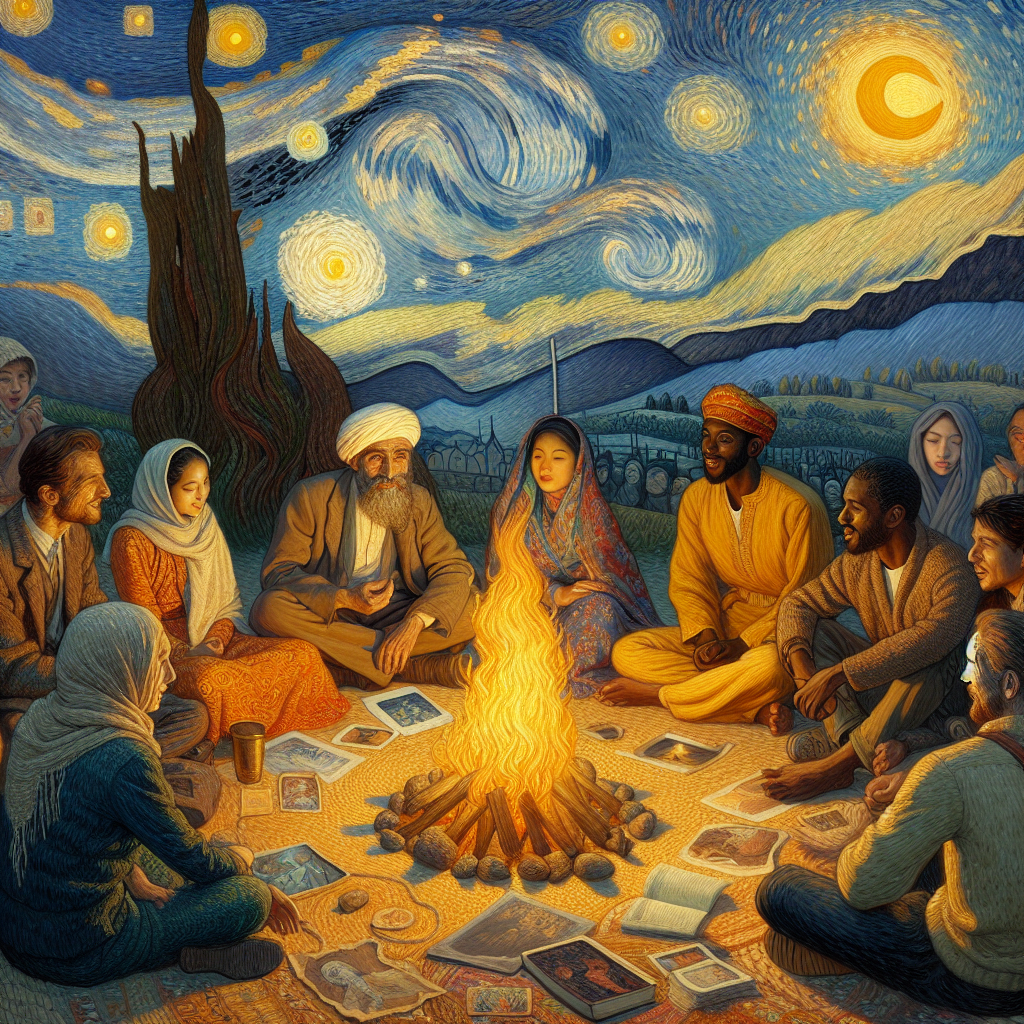
What Themes Can Deepen My Narrative?
What Themes Can Deepen My Narrative?
- Themes are essential undercurrents that enhance storytelling, providing depth and resonance.
- Legacy storytelling focuses on the quieter, defining moments of our lives rather than grandiose tales.
- Everyone is crafting a legacy through their experiences, often without realizing it.
- Exploring personal experiences can reveal powerful themes like resilience, community, and humor.
- Connections with others—mentors, friends, and even strangers—serve as universal themes that enhance narratives.
- Authenticity and vulnerability in storytelling foster relatability and empathy among readers.
- Reflecting on meaningful themes and desired legacies can transform personal narratives and encourage reflection in others.

What Themes Can Deepen My Narrative?
How Do Subplots Enhance The Main Story?
You know, when you’re watching a great movie or reading a gripping book, it’s often those subplots that keep you riveted to the screen or page. Think about it for a moment. The main story is like the head chef in a bustling kitchen, focusing on the signature dish—the one that’s going to wow the critics and leave a legacy. But, oh, those subplots? They’re like the sous chefs, slicing, dicing, and simmering, adding rich flavors and textures that elevate the entire meal.
Subplots are more than just secondary stories; they’re the emotional undercurrents that breathe life into the main narrative. When crafted skillfully, they offer depth, context, and resonance, enriching the primary tale with layers of meaning and complexity. These threads can illuminate the protagonist’s inner struggles, introduce lovable side characters, or explore themes that resonate with us on a personal level. They create a world—a vibrant tapestry where every thread counts, reminding us of our own experiences and relationships.
Consider your own life for a moment. Is it just a single narrative, or is it a complex amalgamation of moments, memories, and lessons? Subplots reflect that reality; they remind us that life isn’t linear. It’s messy, winding, and often unpredictable, yet all those detours contribute to our personal legacy storytelling. Each subplot, whether it’s a friendship that flourishes or a conflict that simmers, serves a purpose. It prompts us to reflect, to connect, and, ultimately, to grow.
Think about your favorite stories, those that linger long after the credits roll or the final page is turned. They’re beloved not just for the main plot but also for those intriguing subplots that stick with you—the second-chance romance, the mentor guiding the hero, or the unexpected ally that challenges everything we thought we knew. Each subplot reinforces the central theme and deepens our investment, making us cheer, cry, or laugh at perfectly timed moments.
So, if you’re crafting your own tale, don’t underestimate the power of subplots. Embrace them! Let them dance around your main story, weaving in and out, creating a more colorful, rich narrative. After all, a well-told story is not just about the destination; it’s about the journey that brings us there, one subplot at a time.

How Do Subplots Enhance The Main Story?
How Do Subplots Enhance The Main Story?
- Subplots enhance main narratives, similar to sous chefs complementing a head chef’s signature dish.
- They provide emotional depth, context, and resonance to the primary tale.
- Subplots illuminate characters’ inner struggles and explore relatable themes.
- Life, like stories, is complex and filled with various moments and lessons, reflecting the nature of subplots.
- Beloved stories often resonate due to their engaging subplots, which deepen audience investment.
- Effective subplots can evoke a range of emotions, making stories more memorable.
- Writers should embrace subplots as essential elements that enhance storytelling journeys.

How Do Subplots Enhance The Main Story?
What Symbols Can Add Layers To My Message?
When it comes to crafting a message that resonates, symbols can be your secret weapon. They’re like the seasoning that turns a simple dish into a memorable meal, adding depth and flavor to your narrative. Think of symbols as the visual shortcuts that remind us of deeper truths, connecting us to experiences and emotions that words alone might not fully capture.
Let’s take a step back and explore the power of Legacy Storytelling. When you weave in symbols, you’re not just sharing facts; you’re tapping into a tradition that has shaped cultures and communities throughout history. Consider the timeless imagery of a tree. It’s not just a tree; it represents growth, strength, and the interconnectedness of life. By including a tree in your message, you evoke questions about roots, branches, and the passage of time—all vital elements of a powerful narrative.
Symbols allow you to bridge personal experience with universal truths. Picture the icon of a bridge. It’s more than just a structure; it symbolizes connection and the act of overcoming barriers. Whether you’re reflecting on your own journey or sharing someone else’s story, a bridge can encapsulate the essence of transformation and the human experience—every struggle to get from one side to the other is something we can relate to.
As you consider what symbols to incorporate, think about what resonates with your audience. Perhaps it’s a compass, representing guidance and direction, evoking the innate desire in all of us to find our true path. Or maybe it’s the image of an anchor, symbolizing stability and grounding amidst life’s storms. These images not only enhance your message but also foster a connection, inviting your audience to see themselves within your narrative.
So, why not take a moment to brainstorm? Grab that notepad and jot down the symbols that speak to you. Consider their meanings and how they might serve your message, anchoring your communication in something truly impactful. The beauty of symbols is that they transcend language and culture; they speak directly to the heart. By weaving them into your messaging tapestry, you invite your audience to be part of a larger story—one that’s rich, layered, and undeniably human.
Ultimately, symbols can transform the ordinary into the extraordinary, delivering your message with a clarity that resonates long after the words fade away. Start digging into your own well of imagery and let those symbols breathe life into your message!

What Symbols Can Add Layers To My Message?
What Symbols Can Add Layers To My Message?
- Symbols enhance messages by adding depth and emotional connections beyond mere words.
- Legacy Storytelling involves using symbols to connect facts with cultural narratives.
- The imagery of a tree symbolizes growth, strength, and interconnectedness in narratives.
- A bridge symbolizes connection and overcoming barriers, encapsulating transformation in human experiences.
- Consider symbols like a compass for guidance or an anchor for stability to resonate with your audience.
- Brainstorm symbols that speak to you, reflecting their meanings and relevance to your message.
- Incorporating symbols can transform ordinary messages into impactful, relatable stories that resonate deeply.

What Symbols Can Add Layers To My Message?
Can My Setting Reveal Hidden Treasures?
Imagine this: You’re standing in a room filled with the echoes of laughter, history, and a few dust motes dancing in the sunlight filtering through an old window. It might look like an ordinary space—a kitchen, a garage, or even a backyard—but what if I told you that nestled within those familiar walls and spaces are hidden treasures waiting to be uncovered? This isn’t just about vintage items or family heirlooms; it’s about the profound stories these settings can tell.
Think of your own home or favorite local spot. Each scratch on the wooden table, every rusted toolbox, and even the seemingly mundane garden shed is steeped in legacy storytelling. These objects aren’t just relics of the past—they are messengers of memories, bridging generations. You may find a journal tucked away in a drawer, filled with the hopes and dreams of a relative from long ago. Reading their words can reveal aspirations, fears, and triumphs that echo your own.
Now, let me ask you this: when was the last time you really looked at your surroundings? Most of us are so busy racing through our days that we barely notice the little things. Yet, in our hurry, we overlook the stories unfolding right under our noses. A thrift store might have a more nuanced narrative than any museum exhibit, merely waiting for the next attentive visitor to come along, uncover it, and breathe life back into it.
So how do we start this treasure hunt? First, slow down. Take a moment to explore your setting. Whether you’re rummaging through attic boxes or strolling through a neighborhood, be present. Ask questions, dig deeper, and listen to the whispers of those who came before. Engage with your environment, as it is not just a backdrop to your life, but a participant in your own legacy.
Don’t underestimate the potential of what you might find. Treasure isn’t only gold or diamonds; it can be a deeper understanding of who you are and where you come from. So lace up those boots, grab a flashlight, and become a detective in your own life. You might just stumble upon something that reshapes your narrative—something that connects you to the very essence of your legacy. The stories are there; you just have to uncover them.

Can My Setting Reveal Hidden Treasures?
Can My Setting Reveal Hidden Treasures?
- Every familiar space, like a kitchen or garage, holds hidden treasures and profound stories.
- Objects in our surroundings serve as messengers of memories, connecting generations.
- Exploring your environment can reveal journals and items that echo personal aspirations and fears.
- Often, people overlook their surroundings due to the fast pace of daily life.
- A thrift store or ordinary setting may have deeper narratives waiting to be discovered.
- To embark on a treasure hunt, slow down, ask questions, and engage with your environment.
- Uncovering these stories can reshape your understanding of your own legacy and identity.

Can My Setting Reveal Hidden Treasures?
How Can Dialogue Uncover Character Depth?
Picture this: a cozy café where two friends catch up over steaming cups of coffee. Each word exchanged reveals more than just the surface—a shared laugh, a quiver in a voice, even the silence that hangs heavy between them. Similarly, in storytelling, dialogue serves as a window into the soul of a character, exposing layers that might otherwise remain hidden. It’s all part of what I like to call “Legacy Storytelling,” where every intentional word builds a narrative that connects us to the human experience.
When characters engage in meaningful conversation, they don’t just throw around meaningless chatter. Instead, their dialogue reflects their hopes, fears, and regrets. Think of your favorite books or films and consider how the characters’ words left an imprint on your heart. It wasn’t just the plot points; it was those nuanced exchanges—the look, the hesitation, the before-and-after of a revelation—that created empathy and engagement. It’s a dance, folks, and if conducted well, it can lead to a deep understanding of who these characters really are.
Let’s dive deeper. Ever notice how a character reveals their true self when they’re under pressure? Instead of sugarcoating, they let the rawness come forward. Perhaps a reluctant hero struggles with self-doubt, and through conversation, we see their vulnerability. Isn’t that what makes them relatable? It’s in these revealing moments that dialogue shifts from mere words to a shared experience, inviting us to reflect on our own lives.
Acknowledging the weight of dialogue in creative work also prompts us to look for authenticity in our everyday interactions. How often do we listen to understand, rather than to respond? By tuning into the conversations around us, we can learn the art of connection, honing our ability to communicate effectively—both on the page and in life.
The beauty of well-crafted dialogue is that it doesn’t just spill out of characters—it echoes in our own stories as we craft our legacies. So why not put this reflective practice to work? Consider how your own words shape your narrative and the narratives of those around you. Engage, listen, and in doing so, deepen the richness of your own legacy storytelling. This isn’t just about characters; it’s about all of us, bound together by the words we choose.

How Can Dialogue Uncover Character Depth?
How Can Dialogue Uncover Character Depth?
- The setting of a cozy café symbolizes the intimate nature of meaningful dialogue between friends.
- “Legacy Storytelling” emphasizes how dialogue reveals character depth and connects to shared human experiences.
- Meaningful conversations reflect characters’ hopes, fears, and regrets, creating emotional impact beyond mere plot points.
- Under pressure, characters often reveal their true selves, making them more relatable and engaging for readers.
- Authentic dialogue in art encourages reflection on our own communication styles and interactions in everyday life.
- Well-crafted dialogue resonates with readers, influencing their personal narratives and legacies.
- The practice of engaging and listening can enhance both storytelling and real-life connections.

How Can Dialogue Uncover Character Depth?
What Overlooked Details Can Enrich My Story?
When we dive into the art of storytelling, it’s easy to get caught up in the grand narrative—the big reveals, the dramatic turns, the essential themes that give our tales weight. But let’s take a step back for a moment and consider the beauty of the overlooked details. You see, it’s often within these small grains of truth—those unsung moments—where the heart of Legacy Storytelling truly lies.
Think about it. We all have a story or two tucked deep inside us; those memories, ideally polished yet rarely shared. I’m talking about the breezy afternoons spent on a rickety porch with an uncle who had a knack for tall tales, or the way your grandmother’s laugh could light up an entire room, even when the beverages ran dry. These are the details that can serve as the backbone of your narrative, pulling folks into your tale and creating a connection that a flurry of plot twists simply can’t match.
So, how can we harness these details? Start small. Take a moment to reflect on your own history—what were the sounds, smells, or textures that made your experiences rich and resonant? The faint crackle of a vinyl record? The bracing chill of a crisp autumn morning? When you weave these sensory experiences into your storytelling, you’re not simply narrating events; you’re inviting your audience to feel, to smell, and to taste your journey alongside you.
Let’s not forget the power of authenticity. In Legacy Storytelling, honesty is your best friend. Embrace the quirks, the mishaps, and the imperfections; they make your narrative relatable. Whether it’s a humorous blunder from your childhood or a poignant reflection on a life lesson, these moments strike a chord. They say, “Hey, you’ve experienced something like this too!”
And remember, storytelling isn’t just about who you are; it’s a bridge to connect with others. By stitching together these seemingly unremarkable details, you craft a rich tapestry that invites engagement and empathy. Use those little tidbits to evoke laughter, spark curiosity, or even inspire awe.
So, get out there, dig deep into your memory banks, and uncover those overlooked gems. You might be surprised at how they can enrich your story and resonate with others, leaving them wanting to know more about the journey that led you to this moment. After all, the heart of storytelling lies not just in the what, but in the how, and the details make all the difference.

What Overlooked Details Can Enrich My Story?
What Overlooked Details Can Enrich My Story?
- The essence of storytelling often lies in the overlooked details, which provide depth to the narrative.
- Personal anecdotes, like afternoons with family, can create strong connections and resonate with audiences.
- Reflecting on rich sensory experiences from one’s history enhances storytelling, inviting audiences to engage fully.
- Authenticity is crucial; embracing flaws and humorous mishaps makes narratives relatable.
- Storytelling serves as a bridge to connect with others; small details can evoke laughter, curiosity, or inspiration.
- Exploring personal memories can reveal hidden gems that add richness to your story.
- The heart of storytelling is found in both the content and the manner in which it’s conveyed, emphasizing the importance of details.

What Overlooked Details Can Enrich My Story?
Conclusion
As we wrap up this deep dive into the treasures lurking within your story, let’s take a moment to appreciate the profound power of our narratives. Every single life is a tapestry, intricately woven with threads of experience, emotion, and vulnerability. Yet, so often, we let these stories gather dust, assuming they pale in comparison to the epic sagas we imagine. But here’s the kicker: your story—yes, *your* unique journey—holds riches that can enlighten not just you, but others who share or encounter parts of it.
Legacy storytelling is about more than recounting family tales—it’s about forging connections. Think of yourself as an explorer, armed with the tools of imagination and authenticity. Each moment in your life, whether banal or earth-shattering, is a nugget of wisdom, waiting patiently for you to excavate it. The pivotal moments—the laughter, the struggles, the lessons learned—function like breadcrumbs on a trail, inviting anyone who follows them to reflect on their own paths.
Now, I want you to pause for a second and consider the potential impact of your narrative. When you share the small, seemingly inconsequential moments—like the smell of a home-cooked meal or a stubbornly persistent friend—you’re not just talking; you’re building bridges. You’re inviting others to see their reflections in your story and fostering a classic human connection that transcends time and place. Authenticity shines brighter than any polished gem, and as you embrace your quirks and imperfections, you create space for vulnerability. And guess what? In that vulnerability lies true strength.
But here’s the real beauty: storytelling doesn’t require you to be the next bestselling author or a master of eloquence. It beckons everyone to take a step back and understand that rich narratives can stem from simple details. Whether it’s a childhood memory or a heartfelt conversation with a stranger, recognize that these overlooked details are the spices that add flavor to your life’s recipe.
So, as you embark on the journey of uncovering your hidden treasures, grab a pen, take stock of your surroundings, and dive into the essence of your experiences. The world isn’t waiting—it’s ready to hear your story. Because in the end, it’s not just about you; it’s about the connections we create and the legacies we leave behind. Each narrative is a gift; unwrap it, share it, and watch as it resonates throughout your community and beyond. This is your moment. Don’t let it slip away.

Conclusion
Conclusion:
- Stories are powerful, showcasing the intricate tapestry of life through experience, emotion, and vulnerability.
- Your unique journey carries the potential to enlighten yourself and others.
- Legacy storytelling creates connections, transforming personal tales into universal wisdom.
- Every moment in life, no matter how mundane, can provide valuable insights.
- Sharing small details fosters human connections and invites reflection.
- Authenticity and vulnerability are strengths that shine through storytelling.
- Even simple narratives can be rich; embrace your experiences and share them to resonate with others.

Conclusion
Other Resources

Other Resources
Here is a list of other resources you can review online to learn more:
- Forever Missed
- Legacy Family Tree
- MyWishes
- Legacy Explorations
- LegalZoom
- Willmaker
- Trust And Will
- RocketLawyer
- Legacy
- Funeral Finder
Use This Prompt To Get More Resources With Your Favorite Online AI Tool: Please provide me with a list of online articles with their URLs in a bulleted list that I can read regarding What Hidden Treasures Are Waiting to Be Uncovered In Your Story?

Other Resources
Glossary Terms
What Hidden Treasures Are Waiting to Be Uncovered In Your Story? – Glossary Of Terms
1. Treasure: Valuable elements within a story, such as character revelations, plot twists, or themes that enhance the narrative.
2. Subtext: The underlying meaning or message in a story that is not directly stated but can be inferred, often holding deeper significance.
3. Foreshadowing: Hints or clues about events that will occur later in the story, creating anticipation and enriching the narrative.
4. Symbolism: The use of symbols to represent ideas or concepts, which can add layers of meaning to a story’s narrative.
5. Character Arc: The transformation or inner journey of a character throughout the story, often leading to significant realizations.
6. Plot Twist: An unexpected turn of events that surprises the reader and can reveal hidden truths within the narrative.
7. Backstory: Information about a character’s history or past events that provide context and enrich their role in the story.
8. Conflict: The struggle between opposing forces that drives the narrative, revealing hidden motivations and desires.
9. Imagery: Descriptive language that evokes sensory experiences; it helps readers visualize and connect emotionally with hidden aspects of the story.
10. Theme: The central idea or message the author wants to convey, often linked to the treasures hidden in the narrative.
11. Archetype: A typical character or situation that embodies universal traits, which can help reveal deeper meanings within the story.
12. Motif: A recurring element or theme that has symbolic significance in a story, often helping to uncover hidden depths.
13. Dramatic Irony: A situation in which the audience knows more than the characters, highlighting potential hidden truths.
14. Rising Action: The series of events that build tension and develop the plot, often uncovering layers of the story’s hidden treasures.
15. Climax: The most intense point of a story where hidden conflicts and secrets come to a head, often leading to revelations.
16. Resolution: The conclusion of the story where conflicts are resolved, often revealing the hidden treasures that were sought.
17. Perspective: The point of view from which a story is told, which can unveil hidden layers of character and plot.
18. Voice: The unique style or tone of narration that can reveal hidden emotions and insights within a story.
19. Allegory: A narrative that conveys hidden meanings through symbolic figures, actions, or events, allowing for deeper interpretations.
20. Setting: The time and place in which the story unfolds, often providing context that enriches the discovery of hidden details.
21. Epiphany: A moment of sudden realization or insight experienced by a character, revealing hidden truths.
22. Juxtaposition: The placement of contrasting elements side by side to highlight differences, often uncovering hidden meanings.
23. Tone: The author’s attitude toward the subject, which can influence how hidden treasures are perceived by the reader.
24. Protagonist: The main character whose journey often reveals significant truths or treasures hidden within the narrative.
25. Antagonist: The opposing force or character that creates conflict, which can lead to hidden revelations about the protagonist.
26. Dialogue: The spoken exchanges between characters, which can illuminate hidden aspects of relationships and plot.
27. Narrative Structure: The framework that organizes a story; how it unfolds can reveal or conceal hidden treasures.
28. Flashback: A scene that interrupts the chronological flow to provide background information, often revealing important hidden context.
29. Cliffhanger: A suspenseful situation at the end of a chapter that leaves readers eager, hinting at hidden developments to come.
30. Discovery: The realization of hidden aspects within the story that can change a character’s or reader’s understanding of the narrative.

Glossary Of Terms
Other Questions
What Hidden Treasures Are Waiting to Be Uncovered In Your Story? – Other Questions
If you wish to explore and discover more, consider looking for answers to these questions:
- What are some techniques for rediscovering my own story?
- How can I identify the pivotal moments in my life?
- What specific lessons should I consider sharing from my experiences?
- How do I start writing down my life stories?
- What is the importance of authenticity in storytelling?
- How can I connect with my audience through my narrative?
- What themes are most impactful in legacy storytelling?
- How do I incorporate subplots into my own stories?
- What symbols can I use to enhance the meaning of my stories?
- How can I use setting to reveal deeper aspects of my narrative?
- What role does dialogue play in developing character depth?
- What overlooked details should I focus on to enrich my storytelling?
- How can I encourage others to share their stories with me?

Other Questions
Haiku
What Hidden Treasures Are Waiting to Be Uncovered In Your Story? – A Haiku
Hidden treasures lie,
In stories we each hold close,
Share and watch them shine.

Haiku
Poem
What Hidden Treasures Are Waiting to Be Uncovered In Your Story? – A Poem
In the tapestry of life’s unfolding tale,
Stories woven, where memories prevail,
Beneath the surface, treasures lie,
Waiting patiently for the heart’s keen eye.
A legacy calls from the whispers of the past,
In laughter and sorrow, in moments amassed.
Each lesson learned, a gem yet revealed,
In humble narratives, true strength is concealed.
Reflect on the paths where your footsteps trod,
In trials and triumphs, through light and through fog.
Not merely the grand but the small bits align,
In the cracks of our stories, the real treasures shine.
Resilience hums in the tales we share,
Connection flourishes, our burdens laid bare.
Authenticity breathes life into what’s told,
Transforming the mundane into wisdom of old.
So gather your memories, the laughter, the pain,
Embrace all the details, let them dance in the rain.
For in every encounter, a subplot unfolds,
Each thread in the fabric, more valuable than gold.
Symbols arise like bridges of thought,
Anchoring experiences in lessons wrought.
In settings familiar, in dialogue rich,
Lie the depths of our characters, without a hitch.
Dig deep into history, explore every nook,
For the heart of your story lies in every look,
In the overlooked moments, the small and the grand,
You’ll find the connection that links every hand.
So tell your story, let its essence be known,
Uncover the treasures that call you to hone.
Your narrative’s waiting, a legacy bright,
With jewels of authenticity, igniting the night.

Poem
Checklist
What Hidden Treasures Are Waiting to Be Uncovered In Your Story? – A Checklist
1. Reflect on Your Narrative:
_____ Identify key moments in your life that have shaped who you are.
_____ List at least three pivotal experiences that taught you important lessons.
2. Engage in Legacy Storytelling:
_____ Consider how your stories might resonate with others.
_____ Ask yourself: What wisdom can I share that might inspire someone else?
3. Explore Themes:
_____ Identify common themes in your life experiences (e. g. , resilience, community, love).
_____ Consider how you can weave these themes into your narrative.
4. Incorporate Subplots:
_____ Reflect on relationships or side experiences that add depth to your main story.
_____ Write down how these subplots enhance and provide context to your primary narrative.
5. Utilize Symbols:
_____ Brainstorm symbols that represent key aspects of your story (e. g. , a tree for growth).
_____ Think about how incorporating these symbols can enhance your message.
6. Examine Your Setting:
_____ Take a mindful tour of your surroundings; notice the details that tell a story.
_____ List items or environments that hold personal significance or memories.
7. Craft Authentic Dialogue:
_____ Practice writing realistic dialogue that reveals character depth.
_____ Reflect on how your conversations have shaped your relationships and understanding of others.
8. Highlight Overlooked Details:
_____ Make a list of sensory experiences tied to your memories (sounds, smells, textures).
_____ Think about how highlighting these details can make your story more vivid.
9. Invite Others to Share:
_____ Encourage family and friends to share their stories and insights.
_____ Create a dialogue around personal narratives to unearth gems together.
10. Write Regularly:
_____ Commit to a schedule for journaling or storytelling.
_____ Allow yourself to write freely without judgment to uncover hidden treasures.
Final Thoughts:
_____ Authenticity is Key: Embrace your unique voice, imperfections, and quirks as vital parts of your story.
_____ Seek Connection: Remember that your story can bridge gaps and resonate with others; sharing promotes understanding and empathy.
Use this checklist as a guide to uncover the hidden treasures in your own life story, and encourage those around you to do the same!

Checklist
At LegacyLearned, we help people tell stories and preserve their legacy by leveraging online and AI tools.
Please share this post with your friends, family, or business associates who may want help telling the stories of their legacy.


