

Unlock The Power Of AI To Share Your Story
By Tom Seest
At LegacyLearned, we help people tell stories and preserve their legacy by leveraging online and AI tools.
Please share this post with your friends, family, or business associates who may want help telling the stories of their legacy.
Are You Ready to Share Your Story Using AI Technology Today?
Imagine for a moment that you’re sitting on your porch, a warm breeze rustling through the leaves, and the sun is setting in a glorious display of colors. This is the kind of scene where stories naturally unfold. Each tale you tell is not just a relaying of events; it’s a piece of who you are, your legacy storytelling in the making. Now, what if I told you that thanks to modern AI technology, sharing that story can be easier than ever?
You see, our stories are the threads that weave our individual tapestries; they’re reminders of where we came from and what we’ve experienced. We’ve all had moments that define us: those happy homecomings, the tough lessons learned, the unexpected adventures that took us off the beaten path. And yes, every one of us has a story in us, bursting to get out, but sometimes we don’t know where to start. Enter AI technology!
Now, don’t get me wrong; I understand that the idea of using technology to narrate our lives might sound a little… far-fetched. But think about it. With the right tools, you can harness the power of AI to help you reflect on your journey, to encapsulate those pivotal moments, and to share them in a way that feels genuine and impactful. It’s not about taking the human touch out of the equation; it’s about augmenting it.
Whether you’re a seasoned storyteller or someone who’s just beginning to find your voice, AI can guide you through this process—think of it as having a trusty co-pilot while you navigate the skies of your narrative. You don’t have to be a tech whiz or a professional writer. All you need is a willingness to dive in, a pinch of curiosity, and a dash of courage.
So, ask yourself: Are you ready to embrace this opportunity? Are you ready to transform your memories into something tangible that you can pass down to future generations? Legacy storytelling is within your grasp, and with AI by your side, the canvas for your tale is practically limitless. Let’s take that first step together and start crafting something beautiful—because your story deserves to be told.

Are You Ready to Share Your Story Using AI Technology Today?
Are You Ready to Share Your Story Using AI Technology Today?
- Sharing personal stories creates a lasting legacy and reflects individual experiences.
- Modern AI technology offers an easier way to articulate and share these stories.
- Stories capture defining moments such as homecomings, lessons learned, and adventures.
- AI tools can help in reflecting on one’s journey and conveying pivotal moments authentically.
- The use of AI does not remove the human element but actually enhances storytelling.
- Everyone, regardless of writing experience, can use AI as a supportive guide in crafting their narrative.
- Embracing AI for storytelling allows individuals to create tangible memories for future generations.

Are You Ready to Share Your Story Using AI Technology Today?
Table Of Contents
- Are You Ready to Share Your Story Using AI Technology Today?
- What Benefits Can AI Offer In Storytelling?
- How Can AI Enhance Creativity In Your Narratives?
- What Are The Risks Of Sharing Stories With AI?
- How Does AI Understand And Interpret Human Stories?
- Can AI-Generated Stories Feel Authentic To Readers?
- What Tools Are Available For AI Storytelling Today?
- How Can You Maintain Your Voice When Using AI?
- Conclusion
- Other Resources
- Glossary Of Terms
- Other Questions
- Haiku
- Poem
- Checklist
What Benefits Can AI Offer In Storytelling?
Imagine sitting around a campfire, the flames dancing in the shadows while tales of old come alive. Storytelling has always been about connection, about weaving threads of experience into a tapestry that resonates with our shared humanity. However, in today’s fast-paced world, where distractions are numerous and attention spans are fleeting, we find ourselves at a crossroads. Enter artificial intelligence—a tool that, when used wisely, can enrich our age-old tradition of storytelling, providing us with new avenues to explore and more compelling tales to tell.
First, let’s consider the landscape of Legacy Storytelling. For families yearning to preserve their history or businesses aiming to encapsulate their origins, AI offers powerful capabilities. Imagine AI sifting through mountains of family photos, journal entries, or old video footage. With algorithms designed to identify themes and emotional content, it could help curate a narrative that reflects your family’s essence. That kind of tailored storytelling not only honors the past but also lays a foundation for future generations, ensuring that your unique legacy continues to thrive and inspire.
But it goes beyond just preservation. AI can enhance the art of storytelling, enabling us to tailor content for specific audiences. No longer do we write in a vacuum. With predictive analytics, AI tools can sift through consumer data and trends to inform us of what resonates with today’s audience. Imagine knowing not just what your readers enjoy but also how they feel when they read it. This insight can transform a simple story into a powerful experience, creating an emotional connection that lingers long after the last word is read.
Moreover, AI can be a creative partner, generating ideas or even entire plots. Writers often grapple with the daunting blank page, but with AI’s assistance, that empty space can buzz with possibilities. It can suggest narrative arcs or character developments, offering a fresh perspective right when you need it most.
So, whether you’re a seasoned storyteller or someone just picking up the pen, remember that AI can bring many benefits to your storytelling arsenal. Embrace it as a collaborator. Use its insights to breathe life into your words, and witness as your stories transform into resonant legacies that connect with others in ways you never imagined. The future of storytelling is yours to shape, and AI is here to help you tell it like never before.

What Benefits Can AI Offer In Storytelling?
What Benefits Can AI Offer In Storytelling?
- Storytelling creates connections and resonates with shared human experiences.
- AI enhances Legacy Storytelling by preserving family histories and business narratives.
- AI can curate narratives from family photos, journals, and videos by identifying themes and emotions.
- Predictive analytics help tailor stories for specific audiences by analyzing consumer data and trends.
- AI can generate ideas and plot suggestions, assisting writers in overcoming creative blocks.
- AI serves as a collaborative tool for storytellers, enhancing the emotional impact of their stories.
- The future of storytelling is shaped by embracing AI, providing opportunities for deeper connections.

What Benefits Can AI Offer In Storytelling?
How Can AI Enhance Creativity In Your Narratives?
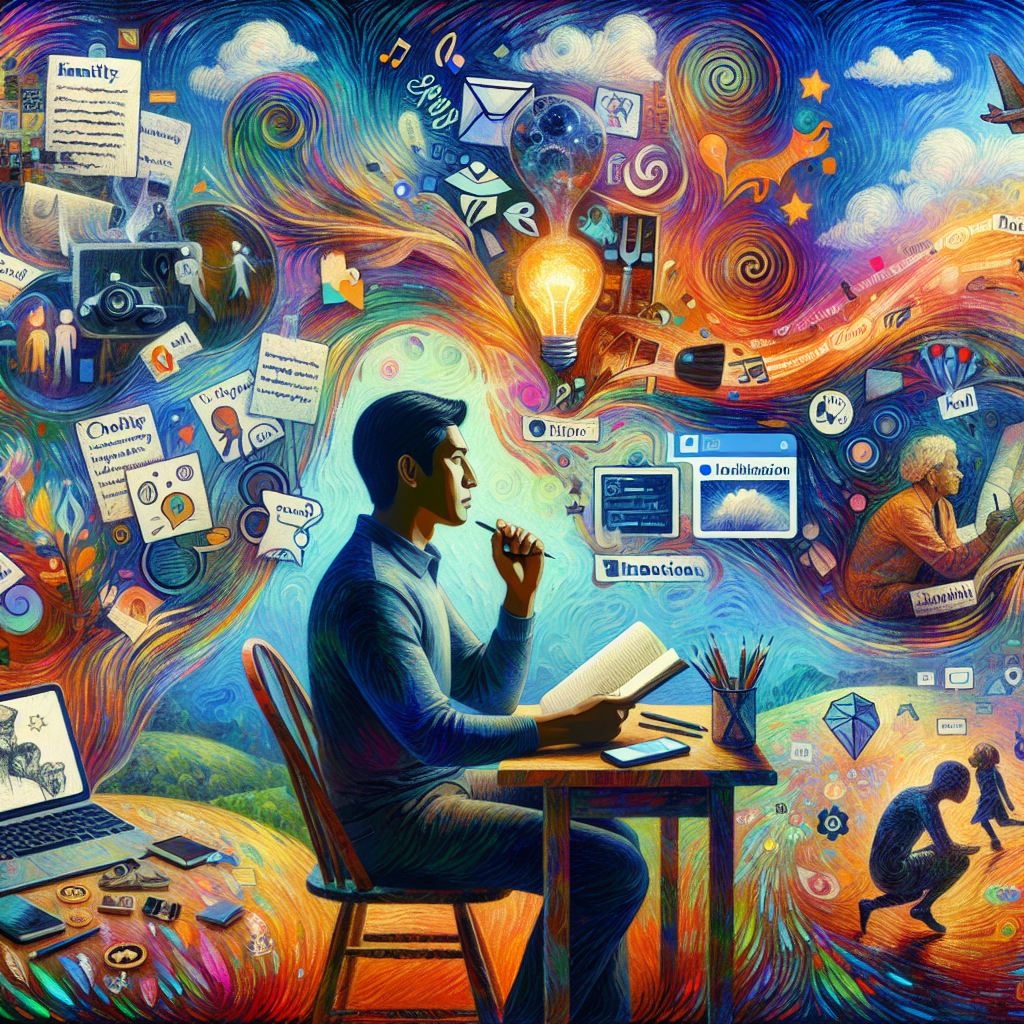
Let’s face it: creativity can be a fickle friend. One minute you’re swimming in a sea of inspiration, and the next, you’re staring at a blank page, battling the dreaded writer’s block. It’s a struggle we all share, and if you’ve ever felt that creative drought, welcome to the club! But here’s the silver lining—there’s a tool that can help you surf those turbulent waves of imagination and take your narratives to new heights: artificial intelligence.
Now, I know what you might be thinking—AI is for data crunchers and tech wizards. But hold on! Think of AI not as a cold, lifeless machine but as that reliable buddy who always lends a hand when you’re in a pinch. Imagine the stories you’ve been wanting to tell, your Legacy Storytelling, enriched by the unique perspectives AI can offer. Whether it’s generating scintillating plot twists or fleshing out dynamic characters, AI can be your brainstorming partner, ready to lighten your creative load.
Picture this: You’re crafting a story steeped in emotion, perhaps wrestling with themes of family or ambition. You type in a few key elements—like a character’s journey through hardship—and watch as AI lays out a diverse array of ideas. It doesn’t just spit out random suggestions; it analyzes narrative structures, character arcs, and even underlying themes, offering insights that align with your vision. You might be surprised by how an algorithm can mirror the aspirations and struggles we all face, bringing your emotional landscape to life in ways you hadn’t considered.
And here’s where the magic happens—using AI isn’t about handing over the reins and letting a machine tell your story. It’s about collaboration. You’re still the captain of this narrative ship. The AI provides you with fresh angles and provocative questions that ignite your own creativity. You’ll find yourself exploring aspects of your characters or scenarios that might have remained dormant without that little spark of inspiration.
So, grab that pen, keyboard, or whatever you prefer, and let AI propel you forward. Embrace it as your co-pilot in the voyage of creativity. Dive into the endless possibilities and remember: your legacy isn’t written yet, and with a friendly assist from AI, it’s bound to be one heck of a tale!
How Can AI Enhance Creativity In Your Narratives?
How Can AI Enhance Creativity In Your Narratives?
- Creativity can be unpredictable, often leading to writer’s block.
- Artificial intelligence (AI) can help overcome creative challenges and enhance storytelling.
- AI acts as a creative partner, offering unique perspectives and brainstorming support.
- It generates diverse ideas based on key elements provided by the writer, aligning with their vision.
- Using AI for storytelling involves collaboration, not replacement; the writer remains in control.
- AI can prompt exploration of characters and scenarios, sparking new insights and creativity.
- Embracing AI as a co-pilot can lead to an enriched narrative experience and a compelling legacy story.

How Can AI Enhance Creativity In Your Narratives?
What Are The Risks Of Sharing Stories With AI?
In a world full of vibrant narratives and rich personal histories, many of us find comfort in the art of storytelling. It’s how we connect, share experiences, and pass down wisdom through generations. But when it comes to sharing our tales with artificial intelligence, a new era of storytelling begins—one that certainly has its perks but also comes with its own set of risks.
Let’s face it: we live in a time when technology constantly hovers above us like a double-edged sword. Legacy storytelling—the tradition of recounting our unique journeys to preserve culture and identity—has been drastically transformed. The thought of entrusting my deepest stories to a machine might raise more than a few eyebrows. After all, who knows my experiences better than I do? And yet, engaging with AI as a storytelling partner can feel tempting, especially if you want to craft something polished and captivating.
But let’s pause for a moment. What happens to the essence of our stories when we feed them into an algorithm that doesn’t truly “understand” us? There’s a risk that the richness of human emotion could be lost in translation, not to mention the potential for misinterpretation or misrepresentation. AI lacks the intuition and personal touch that comes from lived experiences. There’s something distinctly beautiful about the messy, imperfect way we tell our stories—which can get lost in the sterile precision of a machine’s output.
Moreover, there are privacy concerns to consider. When you share your tales with AI, where do those stories go? Who has access to them, and are they being stored or used in ways you never intended? Remember, your stories hold the weight of your identity and your legacy. You have every right to be discerning about who gets to hear them and how they can be used.
So, before you plug in and let the circuits do the work, take a moment to reflect. Ask yourself: What do I hope to achieve with this story? How do I want to be remembered? Embrace the technology, but don’t forget the heart that beats beneath your words. Strike a balance, and remember that the most meaningful stories are often those that are told directly, unfiltered and raw, from one human being to another. After all, storytelling is an art, and art deserves to be crafted with care.

What Are The Risks Of Sharing Stories With AI?
What Are The Risks Of Sharing Stories With AI?
- Storytelling connects us and preserves cultural identity through shared experiences.
- Sharing personal stories with AI introduces new possibilities but also significant risks.
- AI may misinterpret or misrepresent human emotions, losing the richness of personal narratives.
- There’s a concern that the unique, imperfect nature of human storytelling may be diminished by AI.
- Privacy issues arise when sharing stories with AI, including data storage and access concerns.
- Reflect on your intentions before sharing stories with AI, considering the legacy you wish to leave.
- Embrace technology while prioritizing the authenticity and emotion inherent in human storytelling.

What Are The Risks Of Sharing Stories With AI?
How Does AI Understand And Interpret Human Stories?
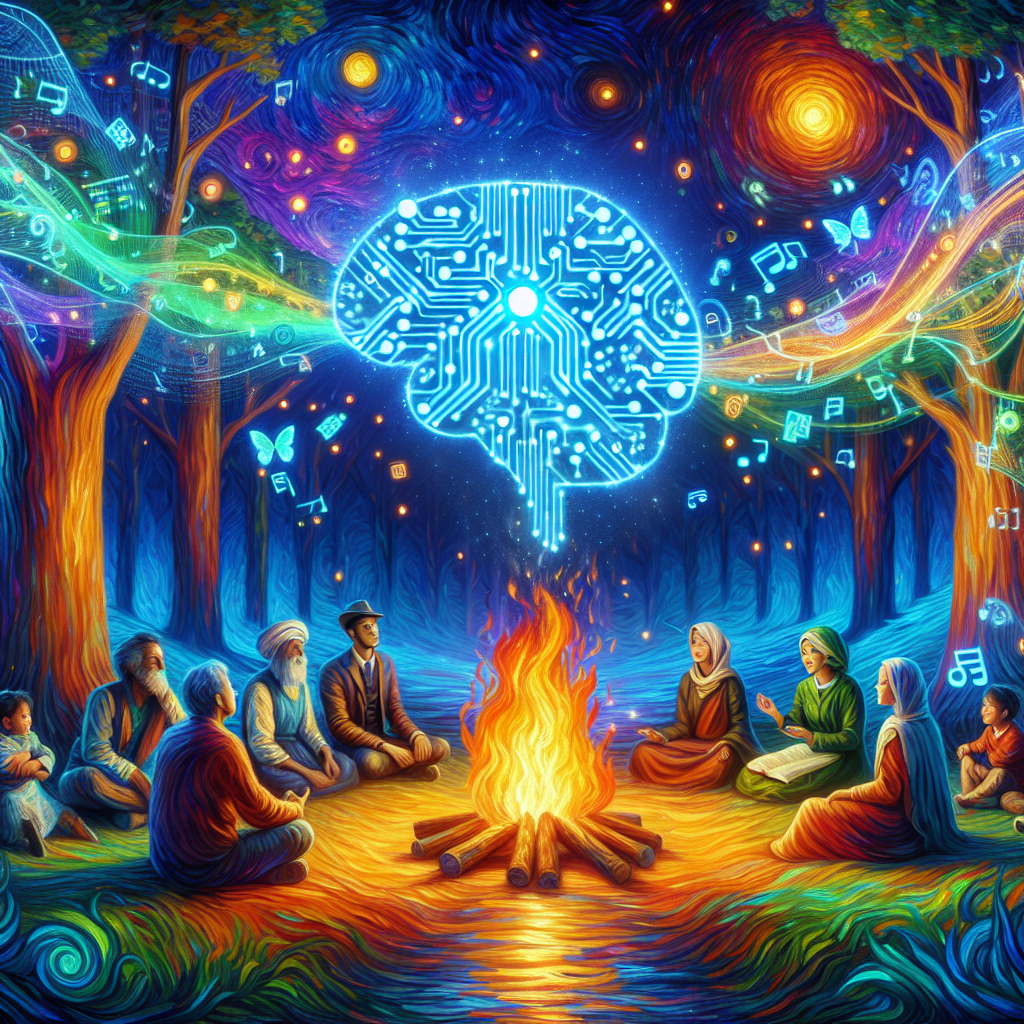
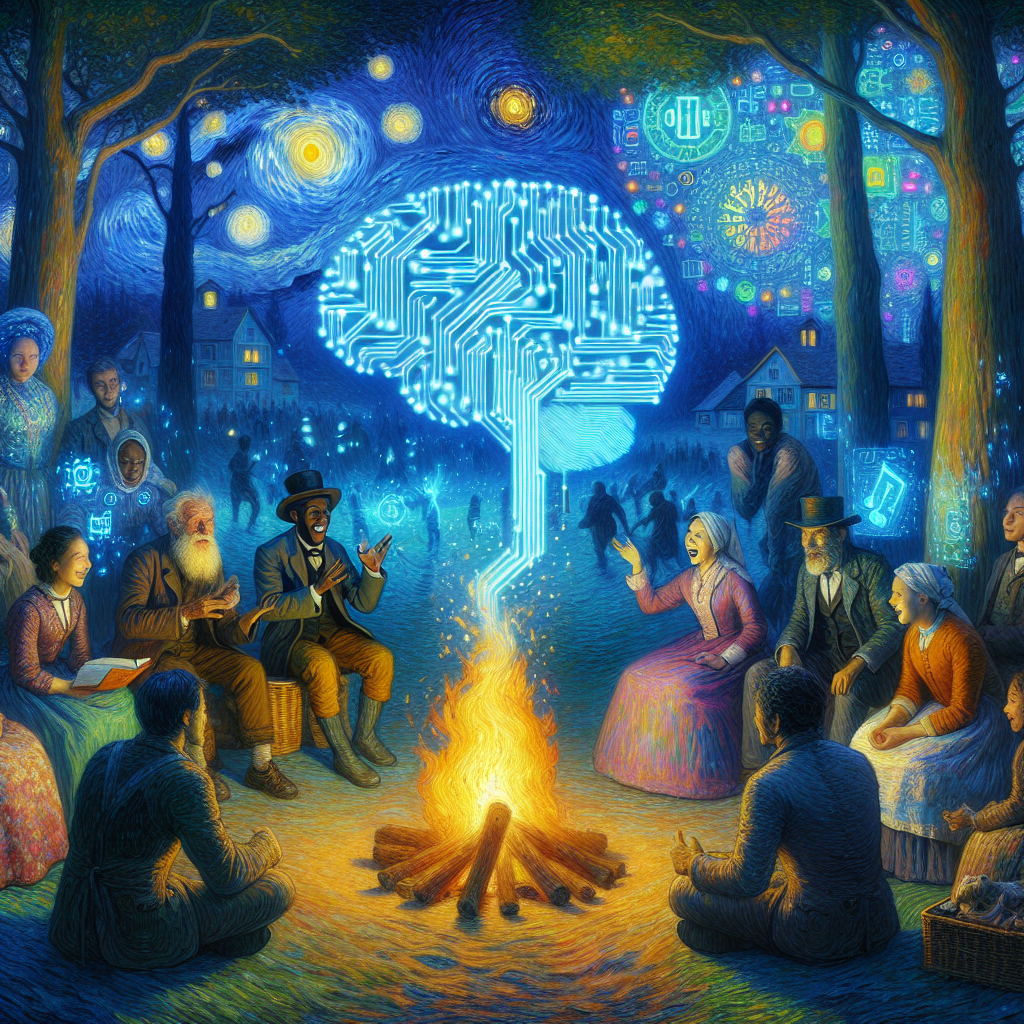
When we dive into the world of artificial intelligence, it’s easy to get lost in the technical jargon and the impressive algorithms that seem to be light years ahead of human understanding. But at its core, AI grapples with something that’s inherently human: storytelling. Yes, that timeless art of weaving tales, something we’ve done since our ancestors gathered around campfires, sharing their legacy storytelling that defined communities and cultures.
So how does AI understand and interpret these rich narratives? It starts with the simple fact that at its core, AI is programmed to recognize patterns. But it’s not just about crunching numbers or scanning text; it’s about decoding the emotional beats and cultural nuances that breathe life into a story. Think of it as a digital tap on the shoulder, saying, “Hey, I see that smile, and I understand the tears behind it.”
By analyzing countless stories—books, scripts, tweets, you name it—AI learns the structure of good storytelling, the rhythm of a well-placed joke, or the gut punch of a plot twist. It picks up on character arcs and themes that resonate deeply within us, whether it’s the triumph of the underdog or the bittersweet farewell of a loved one. It’s almost like a digital apprentice, nestled alongside the great storytellers of our time, absorbing lessons and gaining insights that it can apply to new narratives.
Now, here’s where it gets truly exciting. As AI begins to grasp the essence of our stories, it also opens up new pathways for creating artfully crafted narratives. Imagine partnering with AI to brainstorm your next novel or screen play. By leveraging its ability to process vast amounts of information and recognize patterns, you can find inspiration that sparks your creativity in ways you never thought possible.
But let’s not forget: while AI can interpret these stories, the true magic lies in the human experience that fuels them. The laughter, pain, joy, and confusion that make up our lives are what add color to each narrative. So, as we move into a future where AI continues to evolve, let’s embrace it not as a replacement but as a collaborator, one that respects our legacy storytelling while helping us carve out new tales that will inspire generations to come. Now, that’s something worth sharing.
How Does AI Understand And Interpret Human Stories?
How Does AI Understand And Interpret Human Stories?
- AI fundamentally engages with the human art of storytelling, a practice central to human culture.
- At its core, AI is designed to recognize patterns and decode emotional and cultural nuances in narratives.
- By analyzing a wide array of stories, AI learns storytelling structure, humor, and impactful plot twists.
- AI acts as a digital apprentice, gaining insights from great storytellers to apply in new narratives.
- The collaboration with AI can inspire creativity in writing novels or screenplays through its vast information processing.
- Despite AI’s capabilities, the richness of narratives stems from the authentic human experiences they portray.
- Embracing AI as a collaborator can help us create new stories while honoring our traditional storytelling legacy.
How Does AI Understand And Interpret Human Stories?
Can AI-Generated Stories Feel Authentic To Readers?
When you think about stories, the ones that stick with us, the ones that shape our understanding of the world, are often woven from threads of human experience. That’s what we might call Legacy Storytelling. These are the tales passed down through generations—stories of struggle, triumph, love, and loss. They forge connections among people and remind us of who we are and where we’ve come from. But in this brave new world of AI-generated narratives, one can’t help but wonder: Can these new fables resonate with the depth and authenticity we hold dear?
Picture this: sitting around a fire, sharing a laugh, a tear, and the raw truth of life. Those moments are steeped in authenticity, and that’s the feeling we crave. Now, here comes AI, churning out stories faster than you can say “once upon a time.” It’s a fascinating concept, isn’t it? An algorithm crafting intricate plots and complex characters—yet, there’s still that nagging question: can it really capture the essence of the human experience?
Sure, AI can pull information from every nook and cranny of the internet, spinning tales that are technically sound. It can mimic styles and follow structures found in the works of our beloved authors. But what it can’t replicate is that visceral connection to shared experiences. It lacks the fingerprints of lived moments—the fleeting pauses of doubt before a confession, the joyous outbursts that pepper our everyday lives, and the quiet sadness of a farewell.
What matters most is our willingness to engage with these stories, whether they come from a human heart or a digital brain. It’s about our connection to the narrative, our part in the unfolding drama. Perhaps we see a hint of ourselves in an AI-generated character facing challenges eerily similar to our own. That’s where the magic happens—in the resonance of our shared humanity.
So, as we navigate this new narrative frontier, it’s essential to keep an open mind. Embrace the creative tools at our disposal, and recognize that even the most advanced algorithms can serve as a springboard for our own reflections. After all, who knows? The stories of tomorrow could very well be imbued with the spirit of our Legacy Storytelling, harmonizing the old with the new, making each tale rich and meaningful in its own right. Let’s lean in and share that journey together.

Can AI-Generated Stories Feel Authentic To Readers?
Can AI-Generated Stories Feel Authentic To Readers?
- Legacy Storytelling consists of tales passed down through generations, reflecting human experiences of struggle, triumph, love, and loss.
- These stories create connections and help us understand our identities and history.
- The rise of AI-generated narratives raises questions about their authenticity and emotional depth.
- AI can create technically sound plots and characters but may struggle to capture the essence of lived human experiences.
- The real value lies in our willingness to engage with stories, regardless of their origin—human or AI.
- There’s potential for resonance when we see ourselves reflected in characters, fostering a sense of shared humanity.
- Embracing AI’s creative tools may harmonize traditional storytelling with innovative narratives, enriching them meaningfully.

Can AI-Generated Stories Feel Authentic To Readers?
What Tools Are Available For AI Storytelling Today?
What Tools Are Available For AI Storytelling Today?
In an age where technology meets creativity, there’s an impressive arsenal of tools for crafting stories that can thrill, educate, or inspire. Whether you’re a seasoned writer or just dipping your toes into storytelling, the options available are as diverse as the stories waiting to be told. Let’s explore some of the gems that make modern storytelling not only accessible but downright enjoyable.
First up, we have text generation algorithms. These powerful engines, like OpenAI’s models and others, can assist in generating plot ideas, developing characters, or even writing entire sections of narrative. Imagine sitting down with a trusted friend who has an endless supply of knowledge—this is what these tools offer. You can bounce ideas off them, explore genres you’ve never considered, and sift through endless possibilities until you find that spark that sets your imagination ablaze.
Then there’s the realm of interactive storytelling platforms. These tools elevate the art of narrative by enabling readers to influence the story’s outcome. With branching storylines, the reader becomes an active participant, guiding the narrative down paths they find most intriguing. It’s a modern twist on legacy storytelling, where the audience isn’t just a spectator but a co-pilot in the adventure. This collaboration can reinvigorate the creative process and lead to unexpected discoveries.
For those of you who might prefer to write collaboratively, you’re in luck. There are numerous AI-enhanced writing platforms that allow multiple users to contribute in real time and seamlessly integrate AI suggestions. It’s like having a brainstorming partner who can keep the momentum going, even when inspiration seems to stall. Don’t let a blank page intimidate you—collaboration, enhanced by technology, can breathe life into your stories.
Let’s not forget about tools focused on character development and world-building. Applications that help you flesh out not only characters but entire worlds can spark your imagination. With a strong foundation, your story will feel richer and more immersive, inviting readers into a universe that you’ve crafted with care and attention.
In this exciting digital landscape, storytelling is evolving. Embrace these tools, dive in, and let your creativity flourish. Trust in the process—these are allies in your storytelling journey, ready to help you bring your visions to life. The world is waiting for your story; all you need to do is start writing.

What Tools Are Available For AI Storytelling Today?
What Tools Are Available For AI Storytelling Today?
- Technology offers a range of tools for storytelling, appealing to writers of all experience levels.
- Text generation algorithms, like OpenAI’s models, aid in generating plot ideas, character development, and narrative writing.
- Interactive storytelling platforms allow readers to influence the outcome of stories, making them active participants in the narrative.
- AI-enhanced writing platforms facilitate real-time collaboration, helping writers overcome creative blocks.
- Tools focused on character development and world-building enhance the richness and immersive quality of stories.
- The digital landscape is rapidly evolving, providing new opportunities for creativity in storytelling.
- Embracing these tools enables writers to bring their visions to life, inviting readers into their crafted universes.

What Tools Are Available For AI Storytelling Today?
How Can You Maintain Your Voice When Using AI?
In an age where artificial intelligence has presumably taken the wheel, it can feel like a bumpy ride. But before you jump headfirst into the passenger seat, let’s talk about how you can maintain your voice amidst this technological whirlwind. You see, we’re all part of something bigger than ourselves — a legacy, if you will. It’s a story that isn’t just about the “likes” we chase or the content we churn out. This is about Legacy Storytelling, the narratives that link us to truly authentic versions of ourselves.
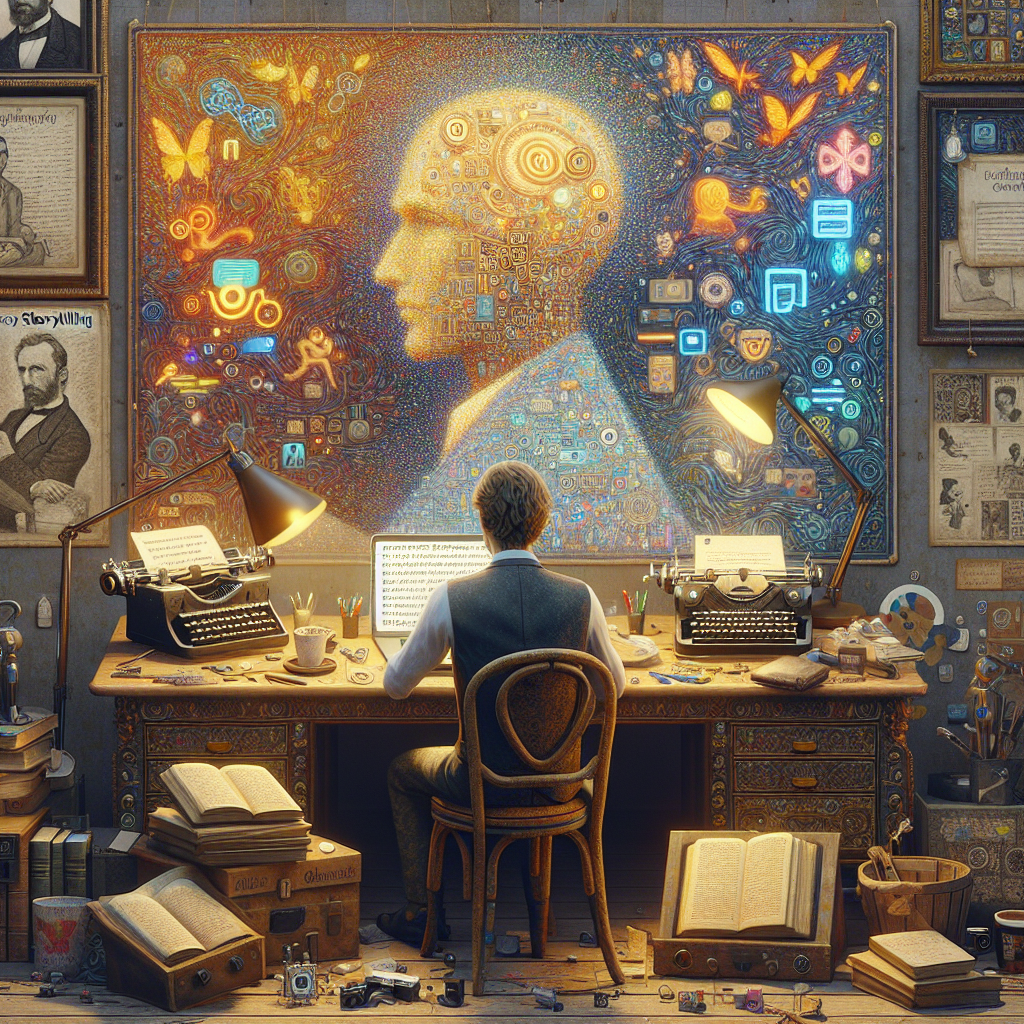
First off, let’s acknowledge a simple truth: you’re irreplaceable. AI can crunch numbers, analyze data, and even churn out text faster than the blink of an eye, but it lacks that crucial human touch — your unique voice. Consider this as your battle cry, not a defeat. It’s an invitation to blend technology with the essence of who you are. Imagine crafting a message that resonates with who you are, using AI as your trusty sidekick, not your main act.
Start by infusing your characteristic tone, words, and ideas into everything AI produces for you. Think of AI as a tool, not a replacement. If you’re known for your quirky sense of humor or your poignant reflections, weave that into the fabric of your AI-generated content. This fusion can lead to a harmonious blend where your personal flair shines through, creating a genuine connection with your audience.
Next, don’t shy away from customizing the outcomes. Use those magical settings and adjust the content until it feels just right — like fine-tuning a guitar before a grand performance. AI can provide the skeletal structure, but it’s up to you to breathe life into it. Ask yourself: “Does this sound like me?” If the answer is a hesitant “maybe,” it’s time to dig in and reshape it until it feels true to your voice.
Lastly, remember that storytelling is inherently about connection. Share your experiences, your struggles, and your victories in a way that only you can, even when collaborating with AI. You’re not just sharing information; you’re weaving your Legacy Storytelling into the digital tapestry. The world craves authenticity, and by being genuine, you’re not only preserving your voice — you’re inspiring others to do the same. Embrace the tools, but never forget who’s holding the brush. Your legacy is too important to leave to chance.
How Can You Maintain Your Voice When Using AI?
How Can You Maintain Your Voice When Using AI?
- Maintaining your unique voice is crucial in an age of AI-driven technology.
- You are irreplaceable; AI lacks the human touch that embodies your personal voice.
- Use AI as a supportive tool to enhance your authentic message, not as a replacement.
- Infuse your distinctive tone, words, and ideas into AI-generated content.
- Customize AI outcomes to align with your voice, ensuring they feel genuine to you.
- Storytelling is about connection; share your personal experiences to resonate with your audience.
- Embrace AI tools while remembering to preserve and prioritize your unique legacy.

How Can You Maintain Your Voice When Using AI?
Conclusion
Alright, folks, let’s wrap this up with a little heart and a lot of humanity. Imagine for a second that storytelling isn’t just about words on a page; it’s about that warm breeze rustling through the trees as you sit on your porch, waiting for dusk to paint the sky. It’s the very essence of who we are, a tapestry we weave together through shared experiences. And now, with the magic of AI technology at our fingertips, we can take these stories and elevate them like never before.
But let’s be clear: AI isn’t here to replace us. It’s more like that trusty co-pilot who helps steer the ship while allowing us to take the helm. Every great storyteller knows they need to navigate the turbulent waters of creativity and inspiration. At times, you may feel like you’re facing a blank page, fighting that wall called writer’s block. That’s where AI steps in—a creative buddy that sparks ideas and helps you explore narratives in ways you hadn’t thought possible. Picture it: you’re crafting a story that reflects the highs and lows of life, and with one nudge from AI, you discover a plot twist that not only enriches the tale but also resonates deeply with the heart you originally intended to pour into it.
Now, while AI opens up a universe of possibilities, it also raises questions about authenticity. Can a machine truly capture the human spirit? The answer isn’t clear-cut. Sure, AI can weave words into coherent narratives, but it lacks the emotional granularity of human experience. That’s where the real risk lies—not in sharing our stories through technology, but in losing that beautiful touch of individuality that makes each tale uniquely ours.
So here’s the deal: as you step into this brave new world of AI-assisted storytelling, remember to keep your voice distinct. Let the technology work hand in hand with your creative essence. Use it to amplify your legacy, but don’t forget that the most impactful stories are often the raw, messy ones told from the heart. Embrace the tools available to you, but recognize that the power of storytelling lies in your hands.
Are you ready to unlock that potential? To transform your memories into legacies for generations to come? Your narrative matters—now more than ever. And with a little help from AI, your story is waiting to be penned. Let’s not just tell it; let’s make it a tale for the ages.

Conclusion
Conclusion:
- Storytelling is about shared experiences and the essence of humanity.
- AI serves as a supportive tool, not a replacement for human creativity.
- It helps overcome writer’s block and sparks new ideas for narratives.
- While AI can craft stories, it may lack the emotional depth of human experience.
- It’s important to maintain individuality and authenticity in storytelling.
- Use AI to enhance your creativity while keeping your voice distinct.
- Your stories matter and with AI’s help, they can become lasting legacies.

Conclusion
Other Resources

Other Resources
Here is a list of other resources you can review online to learn more:
- PartingWishes
- Geneanet
- UpCounsel
- Tributes
- LifeBio
- Funeral Services Guide
- Ancestry
- FutureMe
- Storyfile
- Your Digital Afterlife
Use This Prompt To Get More Resources With Your Favorite Online AI Tool: Please provide me with a list of online articles with their URLs in a bulleted list that I can read regarding Are You Ready to Share Your Story Using AI Technology Today?

Other Resources
Glossary Terms
Are You Ready to Share Your Story Using AI Technology Today? – Glossary Of Terms
1. AI (Artificial Intelligence): Technology that simulates human intelligence processes through the creation and application of algorithms.
2. Machine Learning: A subset of AI that enables systems to learn from data and improve their performance without being explicitly programmed.
3. Natural Language Processing (NLP): A field of AI that focuses on the interaction between computers and human language, enabling machines to understand, interpret, and generate human language.
4. Text Generation: The use of AI algorithms to create readable and contextually relevant text based on input data or prompts.
5. Chatbot: A computer program designed to simulate conversation with human users, often implemented in customer support or information retrieval.
6. Storytelling: The art of conveying events, ideas, and emotions through a narrative form, whether oral or written.
7. User Input: Information provided by users to a system, which serves as a basis for the system’s responses or actions.
8. Content Creation: The process of generating ideas and producing written, visual, or audio material for various platforms.
9. Data Analytics: The systematic computational analysis of data to discover patterns and insights that can influence decision-making.
10. Digital Narrative: A storytelling framework that utilizes digital technology to communicate stories, often incorporating multimedia elements.
11. Interactive Storytelling: A narrative experience where the audience can influence the course of the story through their choices and interactions.
12. Generative AI: A type of AI that can create new content in various forms, including text, images, and more, often using machine learning techniques.
13. Text-to-Speech (TTS): Technology that converts written text into spoken words, making content more accessible and engaging.
14. Voice Recognition: The ability of a computer or device to identify and respond to human voice commands, often used in creating hands-free interfaces.
15. Augmented Reality (AR): An interactive experience where digital elements are superimposed onto the real world, enhancing storytelling through immersive experiences.
16. Virtual Reality (VR): A simulated environment created through computer technology that allows users to experience and interact with 3D worlds.
17. User Experience (UX): The overall experience a user has while interacting with a product, influenced by design, usability, and accessibility.
18. Feedback Loop: A system where the output of a process is used as input for the same process, allowing for ongoing improvement and refinement.
19. Algorithm: A set of rules or instructions given to an AI system to help it learn, analyze data, or execute tasks.
20. Ethics in AI: The consideration of moral implications and societal impact of AI technologies, especially concerning privacy, bias, and accountability.
21. Story Arc: The structure of a story, typically consisting of a setup, conflict, climax, and resolution that guides the narrative flow.
22. Multimedia Content: Engaging materials that combine different forms of content, such as text, audio, images, and video.
23. Crowdsourcing: The practice of obtaining ideas, services, or content from a large group of people, typically from an online community.
24. Creative Commons: A licensing framework that allows creators to share their works legally while maintaining specific rights.
25. Personalization: Tailoring content and experiences based on individual preferences, behaviors, and demographic information.
26. Social Media Integration: The incorporation of social media elements, allowing users to share and promote stories across various platforms.
27. Transmedia Storytelling: A narrative strategy that unfolds across multiple media platforms, expanding the story universe and engaging diverse audiences.
28. Content Management System (CMS): Software that allows users to create, edit, manage, and publish digital content easily.
29. Audience Engagement: Strategies and techniques to capture and maintain the attention of an audience, fostering interaction and participation.
30. Digital Footprint: The trail of data left by user interactions with digital devices and online platforms that can influence storytelling experiences.

Glossary Of Terms
Other Questions
Are You Ready to Share Your Story Using AI Technology Today? – Other Questions
If you wish to explore and discover more, consider looking for answers to these questions:
- What specific AI tools are best for beginner storytellers?
- How can I ensure my stories remain personal when using AI assistance?
- Are there ethical considerations when using AI to share personal stories?
- What are some success stories of individuals who have used AI in their storytelling?
- How do you choose the right AI tools for different storytelling formats (e.g., novels, blogs, digital media)?
- What are common pitfalls to avoid when using AI for storytelling?
- Can AI help with editing and revising stories, and if so, how?
- How does AI handle cultural nuances in storytelling?
- What technical skills do I need to start using AI for storytelling?
- Can AI support storytelling in languages other than English?

Other Questions
Haiku
Are You Ready to Share Your Story Using AI Technology Today? – A Haiku
AI enhances our tales,
Woven threads of life connect,
Share your story now.

Haiku
Poem
Are You Ready to Share Your Story Using AI Technology Today? – A Poem
On a porch where whispers dance with the breeze,
In the twilight glow, our hearts find ease.
Stories weave like threads, unique and rare,
Sketching legacies, with memories to share.
In this brave new world, where voices blend,
AI steps forth, our stories to mend.
A co-pilot in craft, with insights to lend,
Transforming our journeys, as we transcend.
No need for a scholar, just courage and heart,
Embrace the technology; it’s a fresh start.
From family tales to adventures grand,
With AI’s aid, our narratives expand.
Imagine the flames of a campfire bright,
Where echoes of laughter break through the night.
AI can sift through the treasures we keep,
Curating our past, our secrets, and dreams deep.
But caution we must, for it’s not all light,
Shadows of privacy dare take flight.
The human touch matters—our essence must stay,
In the tales we tell, let affection hold sway.
For while AI can guide, can help us create,
There’s magic unscripted in each twist of fate.
It’s the joy and the sorrow, the bonds that are drawn,
That breathe life into stories, from dusk until dawn.
With tools at our fingertips, let’s seize this chance,
To elevate voices, let creativity dance.
From whispers of old to the beats of today,
Together with AI, we’ll forge our own way.
So gather your stories, your struggles, your grace,
Let AI assist, but it’s you who must face
The canvas of life, with colors so bold,
Your legacy awaits, let your narrative unfold.

Poem
Checklist
Are You Ready to Share Your Story Using AI Technology Today? – A Checklist
1. Story Reflection
_____ Take time to reflect on your unique experiences and pivotal moments.
_____ Identify key themes or messages in your story.
2. Understanding AI’s Role
_____ Research basic AI technology and how it can assist in storytelling.
_____ Consider AI as a collaborative tool rather than a replacement for your voice.
3. Exploring Tools and Platforms
_____ Investigate text generation algorithms and tools (e. g. , OpenAI, Jasper).
_____ Explore interactive storytelling platforms for reader engagement.
_____ Look into collaborative writing platforms that utilize AI.
4. Creative Enhancement
_____ Use AI to brainstorm plot ideas and character developments.
_____ Experiment with AI-generated content to overcome writer’s block.
_____ Incorporate AI suggestions while ensuring that your unique style is maintained.
5. Maintaining Your Voice
_____ Infuse your personal tone, ideas, and humor into AI-generated content.
_____ Adjust and customize AI outputs to reflect your voice accurately.
_____ Ensure the final product resonates with your authentic self.
6. Privacy Considerations
_____ Evaluate the privacy policies of AI tools regarding data usage.
_____ Be discerning about what personal stories you share with AI technology.
7. Evaluating Authenticity
_____ Reflect on how AI-generated stories feel in comparison to your narrative style.
_____ Share stories that include your lived experiences to enhance authenticity.
8. Balancing Human Touch and Technology
_____ Strive to keep the human emotional essence in your storytelling.
_____ Use AI as a support system while prioritizing meaningful human connection.
9. Taking the First Step
_____ Set a timeline or goal for starting your storytelling journey using AI.
_____ Share your story with a trusted group for feedback and support.
10. Legacy Mindset
_____ Consider how your story will impact future generations.
_____ AIm to preserve your legacy while embracing technology to share it.
Feel free to modify this checklist based on your specific needs or the audience you’re sharing it with!

Checklist
At LegacyLearned, we help people tell stories and preserve their legacy by leveraging online and AI tools.
Please share this post with your friends, family, or business associates who may want help telling the stories of their legacy.


