

Preserving Your Legacy: Transforming Memories Into Timeless Digital Keepsakes
By Tom Seest
At LegacyLearned, we help people tell stories and preserve their legacy by leveraging online and AI tools.
Please share this post with your friends, family, or business associates who may want help telling the stories of their legacy.
Can You Turn Memories Into Digital Treasures for Future Generations?
Let’s face it: memories are the fabric of our lives, a collection of moments that make us who we are. But what happens when those moments begin to fade, vanishing like smoke in the wind? That’s where the art of Legacy Storytelling comes into play. Imagine if you could capture those fleeting experiences—the laughter, the heartaches, the lessons learned—and preserve them like treasures for your children and grandchildren. Well, you can.
In an age where we’re inundated with digital chaos, the thought of turning our memories into something tangible may seem daunting. Yet, the beauty of technology is that it can help us distill our stories, giving us the power to craft a unique narrative that says, “I was here, and this was my journey.” Think about it: how often do we flip through old photo albums or scroll through our smartphones, reminiscing about those treasured moments? Now, picture giving that same experience to future generations—your experiences, your joys, immortalized in ways they can hold onto and cherish.
Legacy storytelling is more than just a digital scrapbook; it’s an opportunity to bridge the gap between the past and the future. Start by collecting photographs, letters, or even voice recordings from family gatherings. Share your anecdotes, the quirky tales that get everyone laughing. You might find that those embedded moments are not only relatable but also resonate deeply with others. This is about connection—drawing your loved ones into your personal history.
In today’s world, where technology is at our fingertips, transforming those precious memories into digital treasures can be as simple as using a few user-friendly tools available online. There’s no need for fancy equipment or extensive training; just a willingness to reflect and share. Consider compiling these treasures into a video montage, a digital scrapbook, or even a storybook. The medium doesn’t matter as much as the message and the love that underpins it.
So, take action today. Gather your photographs, write down your stories, and create that lasting legacy. In doing so, you’re not just preserving your memory; you’re inviting future generations to walk alongside you, understanding the heart of who you are and the rich tapestry of your life. After all, when we share our stories, we give a piece of ourselves, making our mark just a little more enduring.

Can You Turn Memories Into Digital Treasures for Future Generations?
Can You Turn Memories Into Digital Treasures for Future Generations?
- Memories shape our identities and are essential to our lives.
- Legacy Storytelling captures fleeting moments to preserve for future generations.
- Technology offers tools to turn memories into tangible narratives.
- Legacy storytelling connects past experiences with future generations.
- Collect photographs, letters, and recordings to share personal anecdotes.
- Creating digital treasures is accessible with simple online tools.
- Preserving memories invites future generations to understand and connect with our lives.

Can You Turn Memories Into Digital Treasures for Future Generations?
Table Of Contents
- Can You Turn Memories Into Digital Treasures for Future Generations?
- Can Memories Truly Be Preserved In Digital Form?
- What Tools Can Help Digitize Memories?
- How Can I Organize My Digital Memories Effectively?
- What Are The Best Formats For Storing Digital Memories?
- Can I Enhance Old Photos Before Digitizing Them?
- How Do I Ensure Long-Term Access To My Digital Memories?
- What Are The Benefits Of Sharing Digital Treasures With Family?
- Conclusion
- Other Resources
- Glossary Of Terms
- Other Questions
- Haiku
- Poem
- Checklist
Can Memories Truly Be Preserved In Digital Form?
Imagine this: an old, dusty box hidden away in the attic, filled with photographs, letters, and trinkets from a life well-lived. Each item tells a story, a snapshot of moments that shaped who we are and how we connect with others. Now picture that box transformed into a sleek digital archive, accessible from anywhere and filled with high-resolution images, audio recordings, and even video snippets. Sounds appealing, right? But can we really capture the essence of those actual moments in a digital format?
Let’s take a step back and consider what we’re really after when we talk about preserving memories. It’s not just about the pixels on a screen or the bytes in a cloud. It’s about Legacy Storytelling—the art of weaving together our past experiences into a narrative that’s meaningful, engaging, and authentically us. Sure, technology has given us incredible tools to document our lives, but it’s the stories behind those tools that give our memories a heartbeat.
Think about it. When we share a digital photo with friends and family, we’re not just presenting a picture; we’re inviting them to step into a moment, to feel the joy, laughter, or perhaps even the sorrow we’ve experienced. And though the environment may change—from handwritten letters to Instagram posts—the emotional connection that binds us to those memories remains remarkably intact.
So how do we ensure that our digital memories don’t just become data points lost in cyberspace? The answer lies in intentionality. Take the time to curate and share stories that matter. Record the anecdotes behind those photographs, the hidden meanings within the lyrics of your favorite songs, or the sounds of your grandmother’s laughter. When we infuse our digital archives with the essence of our Legacy Storytelling, we create a living tapestry of memories that can be cherished and revisited for generations.
Not only does this protect our memories from fading away, but it also inspires others to reflect on their own stories. By fostering connections around our shared experiences, we build a sense of community that transcends the limitations of time and technology. So, dust off that old box of memories—or better yet, grab your phone—and start capturing the stories that truly matter. After all, preserving memories isn’t about freezing time; it’s about sharing the rich tapestry of life with those we love.

Can Memories Truly Be Preserved In Digital Form?
Can Memories Truly Be Preserved In Digital Form?
- Old boxes in attics symbolize memories filled with photographs, letters, and trinkets.
- Transformation into a digital archive raises questions about capturing essence in digital formats.
- True memory preservation focuses on Legacy Storytelling, weaving meaningful narratives from experiences.
- Sharing digital photos invites others to connect with our emotions and experiences beyond just images.
- Intentionality is key to ensuring digital memories retain significance and do not become mere data points.
- Curating stories behind memories cultivates a living tapestry that can be cherished by future generations.
- Preserving memories fosters community connections and encourages reflection on shared experiences.

Can Memories Truly Be Preserved In Digital Form?
What Tools Can Help Digitize Memories?
In this digital age, the stories we carry with us don’t have to remain locked away in dusty photo albums or tucked into the corners of our minds. An entire universe of tools awaits to help you transform those cherished memories into lasting legacies. So, let’s roll up our sleeves and explore some options that make this process not just doable, but downright rewarding.
First up, there’s Legacy Storytelling software. These platforms serve as a virtual scrapbook, allowing you to weave together your family’s tales, photographs, and keepsakes into a cohesive narrative. Some even prompt you with questions to help you dive deeper into your experiences—what was life like when you were a kid? How did you meet your partner? These tools encourage you to reflect, share, and create a tapestry of written memories that can transcend generations. And here’s the kicker: it’s not daunting! Most of these tools are user-friendly and come with step-by-step guides.
Next, let’s talk about smartphone apps that are designed for capturing memories on-the-go. If you’re someone who enjoys snapping pictures, consider using apps like Google Photos or similar. They not only allow you to store photos safely in the cloud but often offer features that automatically organize your images by people, places, and events. Imagine having your summer vacations or family gatherings neatly categorized, ready for storytelling sessions with loved ones. It’s like having a digital memory vault at your fingertips!
For those really looking to get creative, try video storytelling tools. Applications such as Animoto let you compile images, add text, and even layer in your favorite tunes to narrate your story visually. Nothing captures the essence of a moment quite like a well-edited video, bursting with emotion and nostalgia. The beauty of these tools lies in their versatility—whether you want to share a birthday tribute or document a family journey, the sky’s the limit.
Finally, don’t underestimate the power of simple USB drives. Load them with photos, videos, and voice recordings; then distribute them among family members. This ensures that everyone has access to these treasures, keeping the fire of your collective history alive.
So, whether you choose to document in words, images, or videos, the important thing is to start. For every cherished memory you digitize, you’re not just preserving the past; you’re building a legacy that future generations can hold close, just as you do today. The tools are all around you—dive in and make memory digitization a meaningful and enjoyable part of your life!
What Tools Can Help Digitize Memories?
What Tools Can Help Digitize Memories?
- Stories can now be preserved using digital tools instead of being kept in photo albums or memories.
- Legacy Storytelling software allows for the creation of cohesive family narratives through photos and keepsakes.
- User-friendly storytelling platforms often include prompts to help recall and reflect on cherished experiences.
- Smartphone apps like Google Photos enable photo storage, organization, and easy access for storytelling.
- Video storytelling tools, such as Animoto, provide creative ways to compile images, text, and music into engaging narratives.
- USB drives can be used to share digital memories like photos and voice recordings among family members.
- The key to preserving memories is to start using these tools, ensuring legacies can be built for future generations.
What Tools Can Help Digitize Memories?
How Can I Organize My Digital Memories Effectively?
Let’s face it: we live in a world where the average person snaps more photos in a year than our grandparents took in a lifetime. It’s a beautiful thing, this capturing of moments, but without a solid plan, those digital memories can quickly pile up like unwashed laundry. So how do you avoid drowning in a sea of pixels and preserve what truly matters for your Legacy Storytelling?
First, it’s important to set the stage. Imagine your digital memories as a collection of cherished tales. Each photo, video, or snippet of sound holds a story waiting to be shared, and every story deserves a home. Start by creating folders that resonate with your life’s key chapters—family vacations, birthdays, or perhaps “just-because” days. This isn’t just organizing; it’s crafting a narrative that reflects your journey.
Next, embrace technology. Utilize apps and software that can help you tag and categorize your images. Think of it as equipping yourself with a trusty toolbox to build the structure of your Legacy Storytelling. You might opt for cloud storage solutions that not only keep your memories safe but also allow for seamless access from anywhere. Imagine sitting on the porch, pulling up that vacation from five years ago, and reliving every laugh with those you love.
Don’t shy away from being discerning, either. As you browse through your digital archives, ask yourself what you want to keep. Realistically, not every picture demands a spot in your memory gallery. If it doesn’t serve a purpose or elicit a smile, it might be worth reconsidering. This thoughtful curation process enhances the power of your memories; it makes your Legacy Storytelling all the more impactful.
Lastly, consider sharing your organized memories with family and friends. Host an annual digital memory night, where everyone can come together, reminisce, and laugh over shared experiences. This is not only about preserving moments; it’s about passing on your legacy, weaving connections that span generations.
Organizing your digital memories isn’t just an administrative task; it’s an intentional act of love. So roll up those sleeves, dive into that digital treasure chest, and take charge of your legacy. You’ll find that as you craft your stories, you also craft a connection—to your past, to yourself, and to those who come after you. Let the storytelling begin!
How Can I Organize My Digital Memories Effectively?
How Can I Organize My Digital Memories Effectively?
- Modern individuals capture more photos annually than previous generations did in a lifetime.
- Organizing digital memories is crucial to avoid overwhelming clutter and preserve important moments.
- Create thematic folders that reflect significant chapters of your life for better organization.
- Utilize technology, such as apps and cloud storage, for tagging and accessing memories easily.
- Be selective in what you keep; focus on photos that bring joy and meaning to your storytelling.
- Share your organized memories with loved ones by hosting digital memory nights to foster connections.
- Organizing digital memories is a loving act that enhances your legacy and storytelling.

How Can I Organize My Digital Memories Effectively?
What Are The Best Formats For Storing Digital Memories?
When we think about our digital memories—those snapshots of life captured in ones and zeros—it’s essential to reflect on how we store them. After all, each photo, video, or piece of music is a little gem that tells a story, a legacy, if you will, that deserves to be cherished and protected. So, let’s explore the best formats to ensure your life’s narrative doesn’t fade into the digital abyss.
First up, let’s talk about the classic—JPEGs. Whether it’s your child’s first steps, a glorious sunset, or that moment of triumph when you finally found your car keys after searching the couch for ages, JPEGs are user-friendly and the most widely supported image format. They maintain a decent quality while keeping file sizes manageable. However, be mindful of their susceptibility to quality loss during multiple edits. Store those precious memories with care!
Next on our digital journey are videos. While MP4 might sound like some alien spaceship, it’s really just a great way to store moving memories. This format strikes an excellent balance between quality and file size, making it perfect for everything from backyard barbeques to graduation ceremonies. Make sure to back up your videos in multiple locations, because there’s nothing quite like re-living a special moment—unless, of course, that moment is lost forever.
Now, let’s not forget about audio files—particularly if you’re a storyteller at heart. Formats like WAV and FLAC provide top-notch quality for your narrative musings, whether they’re personal recordings, interviews, or playlists that evoke nostalgia. While these formats take up more space, they capture sound in its purest form, helping to preserve the emotional essence of each memory.
Beyond choosing formats, consider the storage medium too. Cloud storage has gained favor in recent years, offering you peace of mind that your digital treasures are shielded from physical disasters. Just imagine how heart-wrenching it would be to lose hard drives filled with your legacy storytelling moments! Regular backups and a bit of organization go a long way in ensuring that your memories are as accessible as they are well-preserved.
As you embark on curating your life’s digital legacy, remember: the right formats and storage methods not only keep your memories safe—they enrich the stories you tell. So go forth and make those memories shine, because every photo and video is another page in the great book of your life. The best part? You’re the one holding the pen.

What Are The Best Formats For Storing Digital Memories?
What Are The Best Formats For Storing Digital Memories?
- Digital memories, including photos and videos, deserve to be cherished and protected.
- JPEG is a widely supported image format that balances quality and file size, but can lose quality with multiple edits.
- MP4 is an optimal video format offering a good balance between quality and size for storing moving memories.
- Audio formats like WAV and FLAC provide high-quality sound, important for preserving narrative recordings and playlists.
- Cloud storage is a reliable medium for safeguarding digital memories against physical disasters.
- Regular backups and organization are crucial for easy access and preservation of digital treasures.
- The right formats and storage methods enrich the stories we tell and ensure memories are safeguarded.

What Are The Best Formats For Storing Digital Memories?
Can I Enhance Old Photos Before Digitizing Them?
You’ve probably stumbled across a dusty old shoebox or even an attic trunk filled with photographs that time has seemingly forgotten. These snapshots are more than just faded images; they’re a window into your family’s history, a visual narrative of your legacy storytelling. Each crease and stain tells a story that deserves to be revived. But before you dive headfirst into the digitizing process, let’s talk about how to breathe new life into these old relics.
First off, let’s face it: old photos can look a bit rough around the edges. Whether it’s the dreaded yellowing, the occasional crease, or even that stubborn water stain—it’s easy to feel a pang of frustration. But rather than resigning yourself to simply scanning those memories as-is, consider taking a moment to enhance them before the digital transformation. It’s all about preserving the essence of each moment while giving it a much-needed facelift.
Start with some gentle cleaning. Use a soft brush or a microfiber cloth to delicately remove dust and debris. Remember, these are your treasures; treat them as such! You can also consider using a little distilled water on a soft cloth to tackle those more stubborn marks, just be careful not to dampen them too much. The goal here is to enhance, not jeopardize.
Next, you might want to look into some affordable photo restoration software or apps. Many available tools allow you to adjust the brightness, contrast, and color balance of your images without requiring a degree in digital arts. You’d be surprised at the magic you can work with just a few taps and clicks. Think of it as giving your family’s history a modern twist, all while keeping the heart of those photographs intact.
Lastly, don’t underestimate the power of community. Reach out to family members; they might have ideas or resources to help enhance those precious memories. Perhaps an aging relative has a technique or a story about a particular photo that could add even more depth to your legacy storytelling.
So before you rush to digitize your beloved photographs, take a moment to enhance them. Because what you’re really doing isn’t just preserving images—it’s honoring the story woven through your family’s past. After all, these memories are a gift; it’s time to treat them with the love and care they deserve.
Can I Enhance Old Photos Before Digitizing Them?
Can I Enhance Old Photos Before Digitizing Them?
- Old photographs serve as valuable windows into family history and legacy storytelling.
- Enhance photos before digitizing, addressing issues like yellowing, creases, and stains.
- Start by gently cleaning photos with a soft brush or microfiber cloth.
- Use distilled water on a soft cloth for stubborn marks, being cautious not to damage the photos.
- Consider affordable photo restoration software or apps to improve brightness, contrast, and color balance.
- Engage with family members for ideas or resources that can enrich the enhancement process.
- Treat your family’s photos with care, honoring the stories behind each image as a gift.
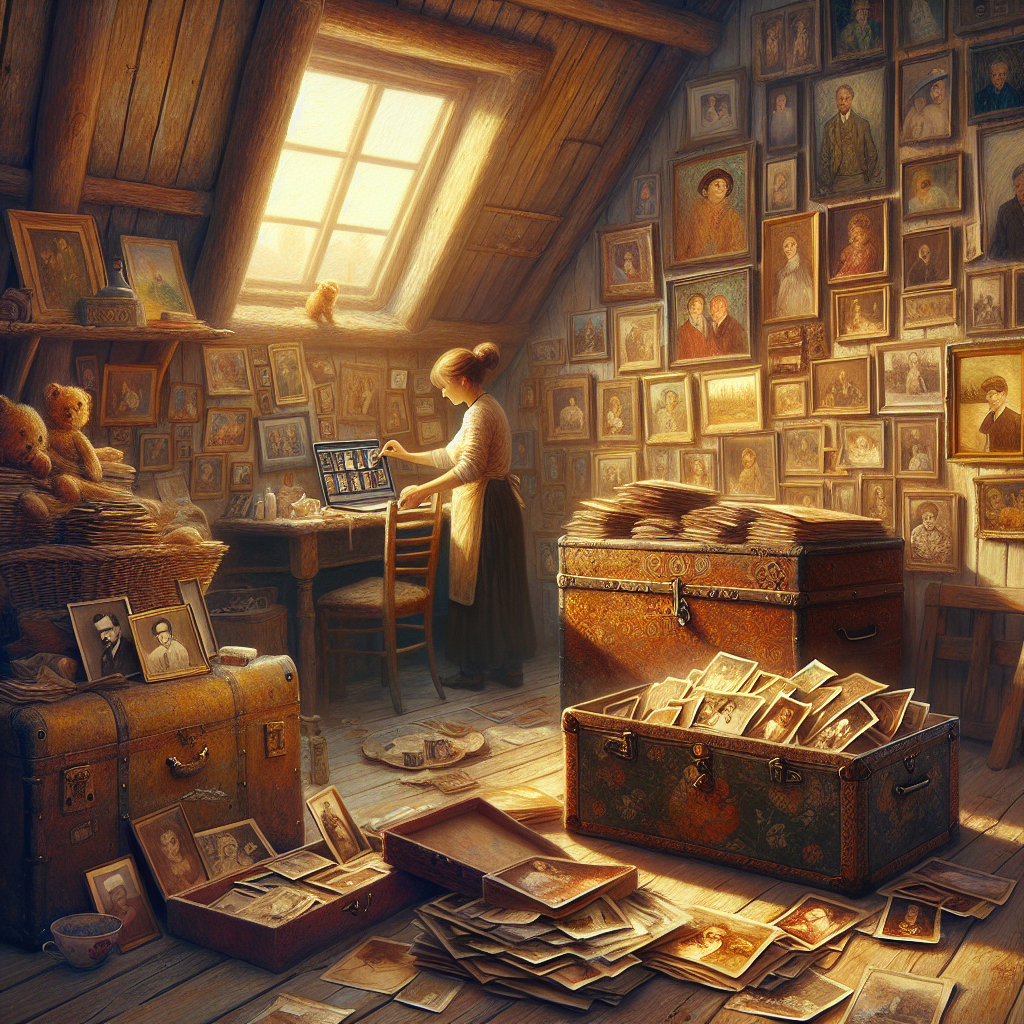
Can I Enhance Old Photos Before Digitizing Them?
How Do I Ensure Long-Term Access To My Digital Memories?
In an age where memories are often captured on the fly, the idea of preserving them for the long haul can feel a bit daunting. We snap photos, we record videos, we send messages – all small moments that can shape a larger legacy. But what happens when technology evolves faster than our ability to keep up with it? The reality is, every digital memory you cherish could be at risk if you don’t take some steps. So how do we ensure our digital stories don’t fade into obscurity? Let’s talk about it.
Firstly, consider Legacy Storytelling – it’s not just a buzzword; it’s a powerful way to connect with your past and future. To weave a meaningful narrative, you need to think beyond just saving files on your phone or uploading to the cloud. You want to craft a compelling tapestry that can be passed down through generations. Start by choosing a few reliable formats. JPEGs, PDFs, and MP4s are solid choices. But don’t stop there; make tangible copies too. Print your favorite photos, create albums, or even start scrapbooking. Handwritten notes have a way of leaving a mark that a digital file simply can’t.
Next, let’s chat about backups. Yes, I know, backups sound like a tedious chore, but think of them as the insurance you didn’t know you needed. Use multiple platforms: external hard drives, cloud storage solutions, and even good old-fashioned USB sticks. When you back up, you create a safety net for all those precious memories. Review these backups periodically – technology changes, and you don’t want to find yourself with files you can’t access because the format is outdated.
Don’t forget the importance of sharing. Share your digital treasures with family and friends; it infuses your memories with life. You’re not just preserving images; you’re igniting conversations, emotions, and connections. Ask your loved ones to contribute stories, photos, or videos that complement your own narrative. You’ll find that storytelling can reveal richer layers to your shared history.
Finally, prioritize future accessibility. Create a detailed plan outlining where your treasures are stored and how they can be accessed. Make it a part of your legacy. Trust me, taking these steps not only secures your digital memories but ignites a joy in rediscovery. Your memories aren’t just data; they’re your story, and every step to protect them is a step toward cherishing the moments that truly matter.

How Do I Ensure Long-Term Access To My Digital Memories?
How Do I Ensure Long-Term Access To My Digital Memories?
- Preserving memories in the digital age can be overwhelming due to rapid technological changes.
- Legacy Storytelling connects the past and future, encouraging the creation of a meaningful narrative.
- Choose reliable digital formats (JPEGs, PDFs, MP4s) and create tangible copies (prints, albums, scrapbooks).
- Regularly back up digital memories using multiple storage options (external hard drives, cloud storage, USB sticks).
- Share memories with family and friends to enhance emotional connections and storytelling.
- Involve loved ones in contributing to your narrative, revealing deeper layers of shared history.
- Develop a plan for future accessibility to ensure lasting protection and rediscovery of memories.

How Do I Ensure Long-Term Access To My Digital Memories?
What Are The Benefits Of Sharing Digital Treasures With Family?
Let’s be honest: we live in a world overflowing with digital clutter. Our phones are packed with photos, videos, and a plethora of memories that just sit there, waiting for their time to shine. But what if I told you that these digital treasures hold the key to something far greater than just a bloated camera roll? Sharing them isn’t just about nostalgia; it’s about weaving a rich tapestry of connection and legacy storytelling that can resonate through generations.
Imagine gathering around on a rainy afternoon, screens shining softly in a cozy living room, as family members lean in to revisit those cherished moments. Sharing your digital treasures might spark laughter over wild vacations, evoke tears from heartfelt family milestones, or even ignite spirited discussions about our shared history. These stories are the stitching in the fabric of family identity. By sharing those treasures, you’re not just distributing bits of memory; you’re giving your family a vibrant narrative that speaks to who you are—together.
Think about the wisdom that comes from reflecting on past moments. As you delve into those forgotten images and videos, you’re not merely revisiting memories; you’re actively engaging in legacy storytelling. You’re giving your loved ones insight into your experiences, passions, and life lessons. This act fosters an environment where younger generations can learn from the past, drawing inspiration or avoiding pitfalls based on what you choose to share.
Now, let’s be clear: it’s not all about nostalgia and lessons. It’s also about strengthening bonds. When we share these digital treasures, we’re engaging in a mutual exchange. You’re opening doors for family discussion, inviting questions, and creating outcries of “I remember that!” or “What happened next?” These shared experiences deepen relationships, reinforcing the idea that in this chaotic world, you are all in this together.
So, take that plunge. Grab those apps, sift through that digital stash, and start sharing. Whether it’s a funny throwback, a moment of triumph, or just a snapshot of an ordinary day, each piece carries weight. It’s more than just a photo; it’s a bridge connecting generations. So go ahead, tell your family’s story through those digital treasures—because in the end, it’s not just about preserving memories; it’s about enriching the lives they touch.

What Are The Benefits Of Sharing Digital Treasures With Family?
What Are The Benefits Of Sharing Digital Treasures With Family?
- The digital clutter in our lives holds hidden treasures that can foster connections and legacy storytelling.
- Sharing digital memories can evoke emotions and spark discussions about family history, reinforcing family identity.
- Reflecting on past moments through shared photos and videos allows for meaningful legacy storytelling and life lessons.
- Engaging in this sharing strengthens family bonds and creates opportunities for interaction and discussion.
- Each shared memory, whether joyful or ordinary, serves as a bridge connecting generations.
- By sharing these digital treasures, families can enrich their collective narrative and foster an environment of learning.
- Ultimately, sharing is about more than just preserving memories; it’s about enhancing the lives they influence.

What Are The Benefits Of Sharing Digital Treasures With Family?
Conclusion
Alright, folks, let’s reel it in for a minute and take stock of what we’ve covered. Memories—those flickering snapshots of our lives—are the lifeblood of our existence. They’re what tether us to the people we love and the experiences that shape us. But as we go about our busy lives, they can easily fade away like last week’s news. Enter digital legacy storytelling, our golden ticket to preservation.
Imagine turning those precious moments into digital keepsakes. We’re talking about conserving the laughter, the heartaches, the triumphs, and yes, even the occasional fiascos that make life—well, life. With today’s user-friendly technology, this process doesn’t require a degree in computer science; it just calls for a big heart and a willingness to share your journey. Think about crafting a digital scrapbook, adding in your favorite photos and handwritten stories, or maybe even cooking up a video montage that captures the essence of a family gathering—these are treasures that future generations will be grateful for. You’re not just sharing memories; you’re handing down a legacy that will resonate with your loved ones, igniting conversations and sparking connections across time.
But let’s not kid ourselves; it’s not just about slapping a few old photos into a folder and calling it a day. Forgetting the emotional angle is like leaving the best part of the cake behind. When you tell the story behind every picture, you breathe life into those moments. You transform them from mere pixels into rich narratives, stories that invite others to join in on your personal history.
Now, don’t get bogged down by the believed complexities of managing your digital archives. With everything from cloud storage to dedicated software at your fingertips, organizing your memories can be as smooth as butter. The goal is straightforward: preserve your digital treasures and share them with those who matter most. Regular backups to ensure longevity, alongside digital sharing, become essential parts of maintaining this legacy.
So, roll up those sleeves, dig into the memories, and start digitizing. Whether it’s a cherished photograph, a beloved video, or an old letter, each piece is a stepping stone on the path to storytelling. By sharing your journey, you’re not just creating a collection of memories; you’re embedding your legacy into the very fabric of your family’s history. And just think, long after we’re gone, the tales of our lives will continue to echo through the hearts of those who come after us. That, my friends, is a legacy worth building.

Conclusion
Conclusion:
- Memories are essential connections to loved ones and life experiences.
- Digital legacy storytelling allows for the preservation of these memories in engaging ways.
- Create digital keepsakes through scrapbooks, photo stories, or video montages.
- Incorporating emotional narratives enhances the meaning behind every memory.
- Organizing digital memories is simplified with modern technology like cloud storage.
- Regular backups and sharing are crucial for maintaining your digital legacy.
- By sharing your journey, you create a lasting legacy that echoes through future generations.

Conclusion
Other Resources

Other Resources
Here is a list of other resources you can review online to learn more:
- Xarona
- RootsMagic
- Directive Communication Systems
- LifeSite
- LegalNature
- Ever Loved
- International End of Life Doula Association
- 23AndMe
- Forever Missed
- Obituary Templates
Use This Prompt To Get More Resources With Your Favorite Online AI Tool: Please provide me with a list of online articles with their URLs in a bulleted list that I can read regarding Can You Turn Memories Into Digital Treasures for Future Generations?

Other Resources
Glossary Terms
Can You Turn Memories Into Digital Treasures for Future Generations? – Glossary Of Terms
1. Digital Archive: A collection of digitally stored information, including photos, videos, and documents, preserved for future access.
2. Preservation: The act of maintaining and protecting memories or artifacts from deterioration, ensuring they remain accessible over time.
3. Reminiscence: The act of recalling past experiences that evoke personal memories, often shared through storytelling or digital media.
4. Metadata: Data that provides information about other data, such as the date a photo was taken, the location, and descriptions, enhancing understanding and searchability.
5. Digital Footprint: The trail of data individuals leave behind online, which can include social media posts, photos, and other digital interactions.
6. Cloud Storage: Online storage services that allow users to save and access files over the internet, making it easier to share and protect memories.
7. Encoding: The process of converting memories or information into a digital format for preservation and sharing.
8. Multimedia: The combined use of various forms of content, such as text, audio, images, and video, to tell a richer story of memories.
9. Storytelling: The art of sharing personal experiences and memories in an engaging manner, often enhanced through digital formats.
10. Digital Scrapbooking: The practice of creating a scrapbook using digital tools to preserve memories, photos, and storytelling elements.
11. Archival Quality: Refers to materials or methods used that are intended to last a long time without deterioration, ensuring the longevity of memories.
12. Non-Fungible Token (NFT): A unique digital identifier that represents ownership of a specific item or memory on a blockchain, capable of being bought, sold, or traded.
13. Virtual Reality (VR): Technology that immerses users in a three-dimensional digital environment, potentially recreating past experiences or memories.
14. Augmented Reality (AR): Technology that overlays digital information onto the physical world, enhancing the way we experience and remember places and events.
15. Genealogy: The study of family lineage and history, often using digital resources to compile and preserve family memories and connections.
16. Digital Legacy: The collection of an individual’s online presence and memories that they leave behind, which can be managed and preserved for future generations.
17. Visual Documentation: The process of capturing images or videos to record significant events or memories for reflection and sharing.
18. Home Movie Restoration: The process of improving and preserving old home movies using digital technologies to enhance quality and longevity.
19. Online Memorial: A digital space or platform created to honor and remember individuals who have passed away, preserving their stories and memories.
20. Social Media Archives: Collections of personal memories and experiences shared on social media platforms, which can be preserved for future reflection.
21. Digital Time Capsule: A stored collection of digital memories and messages intended to be opened at a future time, representing a snapshot of current life.
22. Photo Digitization: The conversion of physical photographs into digital formats, making them easier to store, preserve, and share.
23. Data Backup: The process of copying digital memories and files to prevent loss or damage, ensuring that memories are safely stored.
24. Personal Narrative: A retelling of individual life stories or experiences, often recorded digitally for personal reflection or legacy purposes.
25. Memory Mapping: Creating visual representations of memories, experiences, or relationships, which can enhance recall and storytelling.
26. Digital Estate Planning: The process of managing one’s digital assets and memories after death, ensuring they are preserved and passed on to heirs.
27. Interactive Digital Experiences: Engaging digital formats, such as websites or apps, that allow users to interact with and explore memories actively.
28. Photographic Preservation: The practice of caring for and maintaining photographs, both physical and digital, to ensure their longevity.
29. Sentiment Analysis: The use of technology to analyze emotions expressed in digital content, helping to understand the emotional significance of memories.
30. Memory Keeper: A person or tool that helps organize, store, and protect memories, ensuring they can be shared and cherished by future generations.

Glossary Of Terms
Other Questions
Can You Turn Memories Into Digital Treasures for Future Generations? – Other Questions
If you wish to explore and discover more, consider looking for answers to these questions:
- What is Legacy Storytelling and how does it work?
- How can I get started with digitizing my memories?
- Are there any specific apps or software recommended for beginners?
- How can I ensure the emotional connection in my digital memories is preserved?
- What are some creative ways to share digital memories with family and friends?
- How do I deal with the overwhelming amount of digital media I have?
- What are the potential risks of storing memories digitally?
- How can I ensure my memories are private and secure?
- What role does storytelling play in memory preservation?
- Can I integrate these digital memories into family gatherings or traditions?
- What are the best practices for organizing photos and videos?
- How can I involve younger family members in the digitization process?
- Are there any physical formats that work well in conjunction with digital storage?
- How do technological advancements affect the preservation of digital memories?
- What should I do if I lose access to my digital memories?

Other Questions
Haiku
Can You Turn Memories Into Digital Treasures for Future Generations? – A Haiku
Memories held tight,
Digital treasures take flight,
Legacy in light.

Haiku
Poem
Can You Turn Memories Into Digital Treasures for Future Generations? – A Poem
In the attic of our minds, where memories dwell,
A tapestry woven, each moment to tell.
Fleeting whispers of laughter, heartaches that stayed,
Echoes of stories, in shadows that played.
Can we capture the essence, this life’s endless song?
Turn fleeting emotions, where they truly belong?
With the touch of a button, we frame every smile,
Crafting our legacies, moment by moment, mile by mile.
Through pixels and bytes, our past starts to glow,
A digital chronicle for those we won’t know.
Legacy storytelling, an art to embrace,
Connecting us timelessly, across time and space.
Gather old photographs, letters, and sound,
In this modern age, treasures abound.
Create sacred spaces, organize with grace,
Let each memory breathe, in its rightful place.
JPEGs and MP4s, the formats of choice,
Each pixel a heartbeat, together, rejoice.
Back up your stories, keep them safe from despair,
In sharing our journeys, our love fills the air.
Invite family in, to reminisce and reflect,
Every shared moment, a love to protect.
From laughter to tears, these pieces of gold,
Become the bond of tomorrow, in stories retold.
So, rise from the silence, let memories thrive,
Transforming old relics, keeping dreams alive.
In the chaos of life, let connection be found,
For digital treasures weave legacies profound.

Poem
Checklist
Can You Turn Memories Into Digital Treasures for Future Generations? – A Checklist
Organizing and Preparing Your Memories
1. Gather Physical Memories
_____ Collect photographs, letters, trinkets, and other physical keepsakes.
_____ Look for family anecdotes, stories, and recordings.
2. Clean and Enhance Old Photos
_____ Use a soft brush or microfiber cloth to remove dust.
_____ Consider gentle cleaning techniques with distilled water.
_____ Use photo restoration software/apps to adjust brightness, contrast, and color balance.
3. Choose a Digital Format
_____ Store images in JPEG format for easy sharing and decent quality.
_____ Use MP4 for video files to balance quality and size.
_____ Consider WAV or FLAC for high-quality audio recordings.
Digitizing Your Memories
4. Select Digital Tools
_____ Utilize legacy storytelling software to compile stories and images.
_____ Explore smartphone apps for easy photo storage and organization (e. g. , Google Photos).
_____ Use video storytelling tools to create engaging montages.
5. Start Capturing and Digitizing
_____ Scan old photos and documents.
_____ Create digital albums or storybooks using user-friendly software.
_____ Compile videos of cherished moments and family gatherings.
Organizing Your Digital Archive
6. Create a Structured System
_____ Organize digital files into folders by significant life events (e. g. , vacations, birthdays).
_____ Tag and categorize images for easy access.
7. Backup Regularly
_____ Store digital memories in multiple locations (cloud storage, external hard drives, USB drives).
_____ Review and update backups periodically to ensure accessibility.
Sharing and Connecting Through Memories
8. Engage Family and Friends
_____ Share your digital treasures with loved ones during gatherings or through online platforms.
_____ Encourage family members to contribute their own stories and images.
9. Host Memory Sharing Sessions
_____ Plan annual digital memory nights to reminisce and strengthen family bonds.
_____ Invite conversations that reflect on shared experiences and lessons learned.
Preserving for Future Generations
10. Create Tangible Copies
_____ Print favorite photos to create physical albums or scrapbooks.
_____ Document important family stories in writing for future readers.
11. Establish a Legacy Plan
_____ Write down where your digital memories are stored and how to access them.
_____ Share this information with a trusted family member or include it in your estate planning.
By following this checklist, you can effectively transform your memories into digital treasures that will be cherished by generations to come!

Checklist
At LegacyLearned, we help people tell stories and preserve their legacy by leveraging online and AI tools.
Please share this post with your friends, family, or business associates who may want help telling the stories of their legacy.


